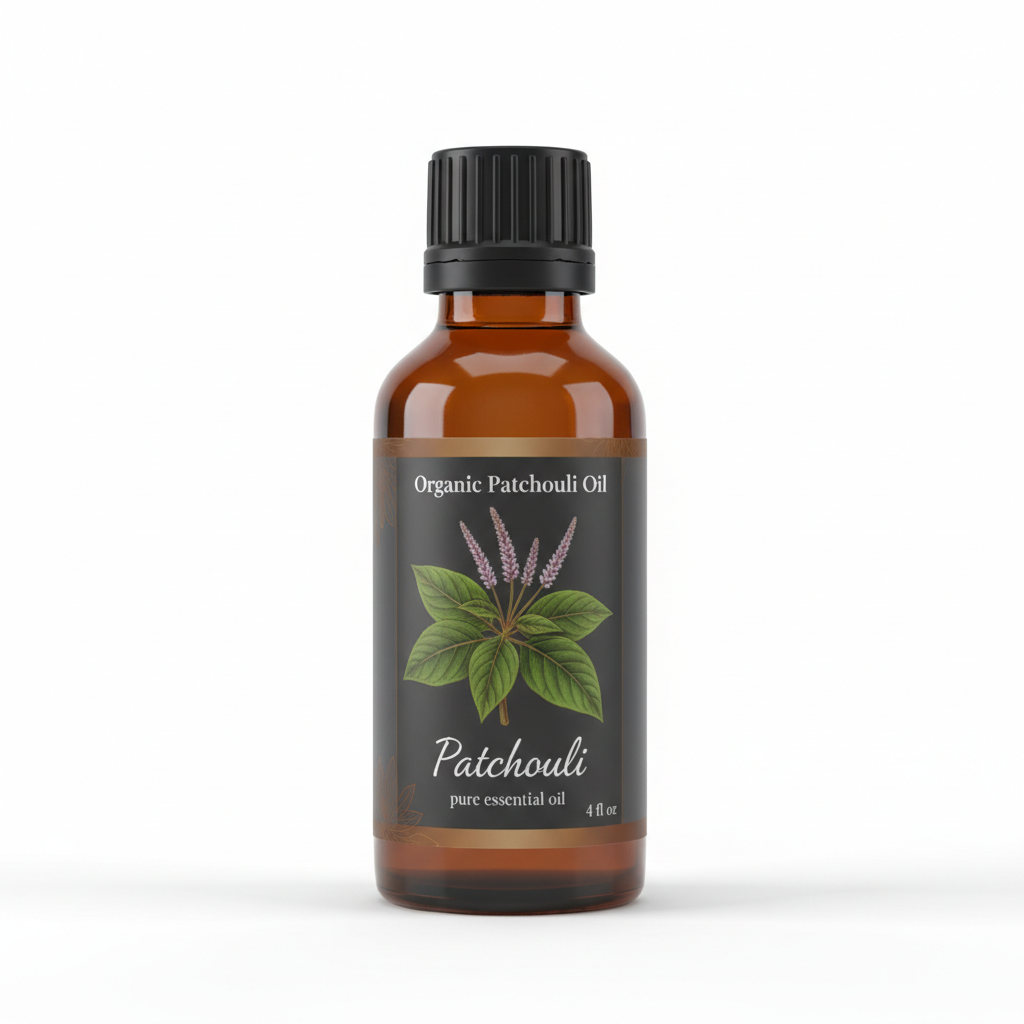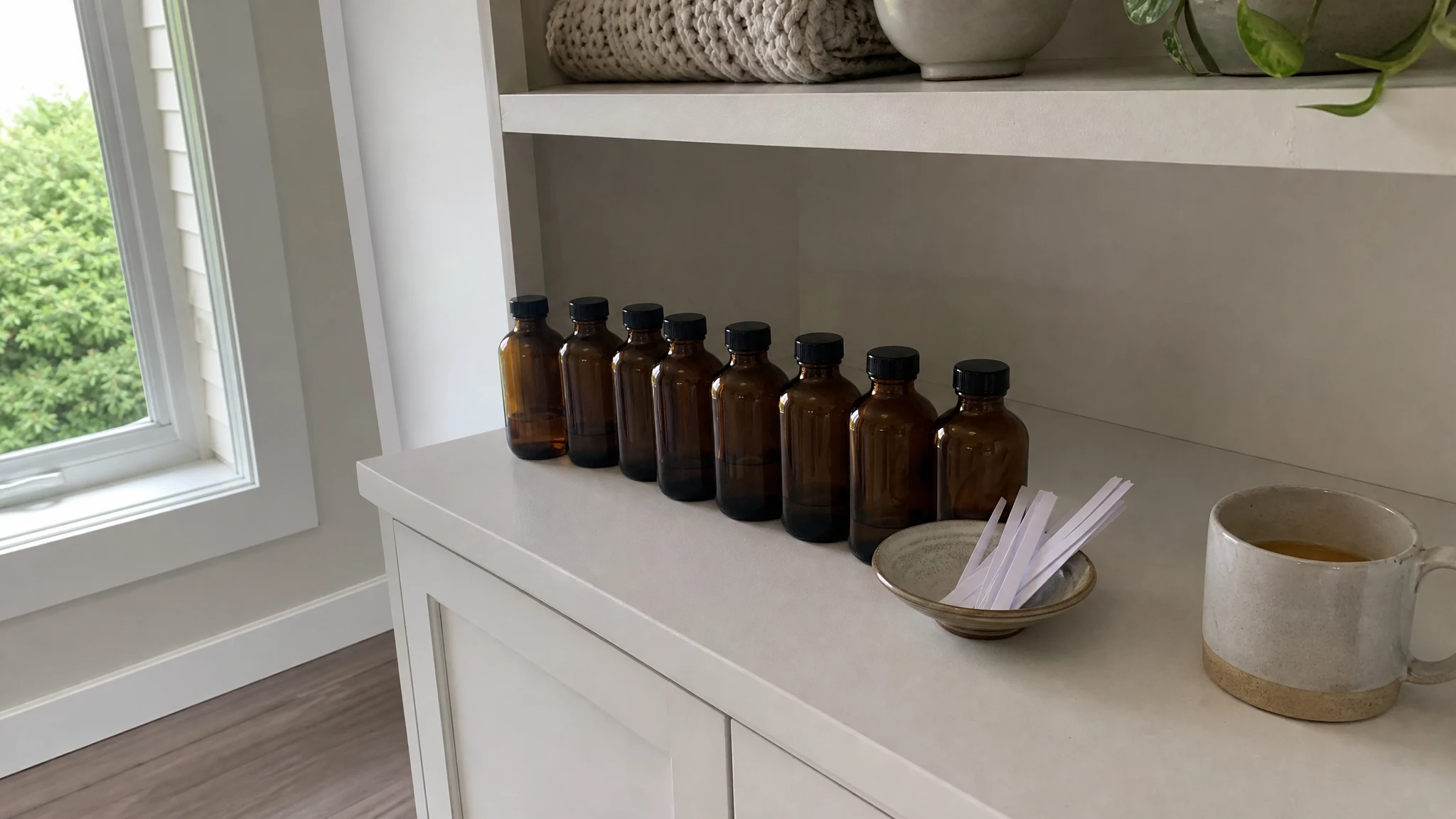
Does Patchouli Oil Go Bad? Signs, Shelf Life, Storage
Patchouli is dark and thick from day one, which hides the usual signs of an oil going off. Here is how oxidation works and how to keep a bottle well.
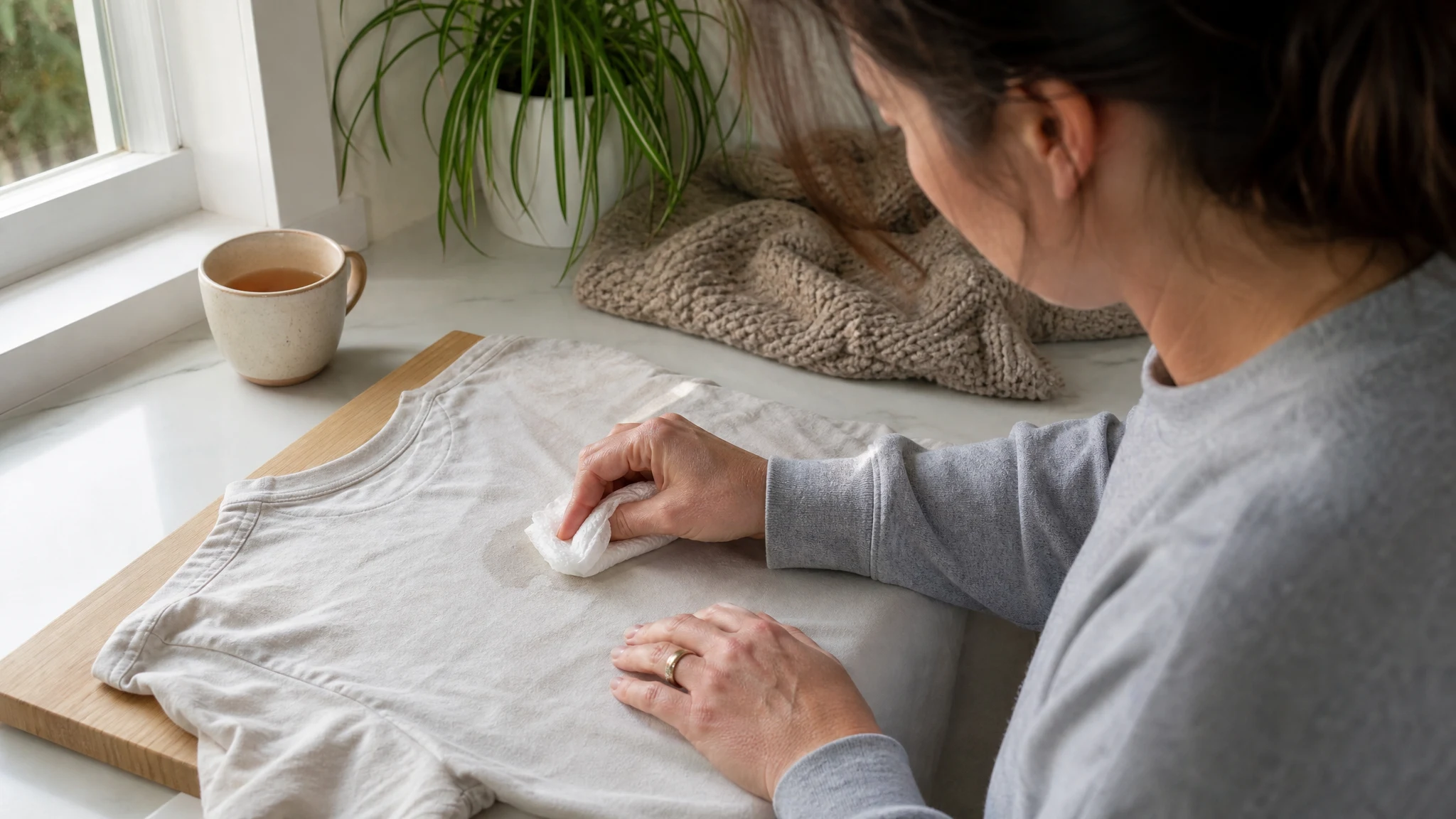
Does Patchouli Oil Stain? Fabric, Wood and Counters
A dark, clingy oil can leave a mark on cloth and bare surfaces. Here is what to do in the first minutes and where a professional cleaner earns the call.
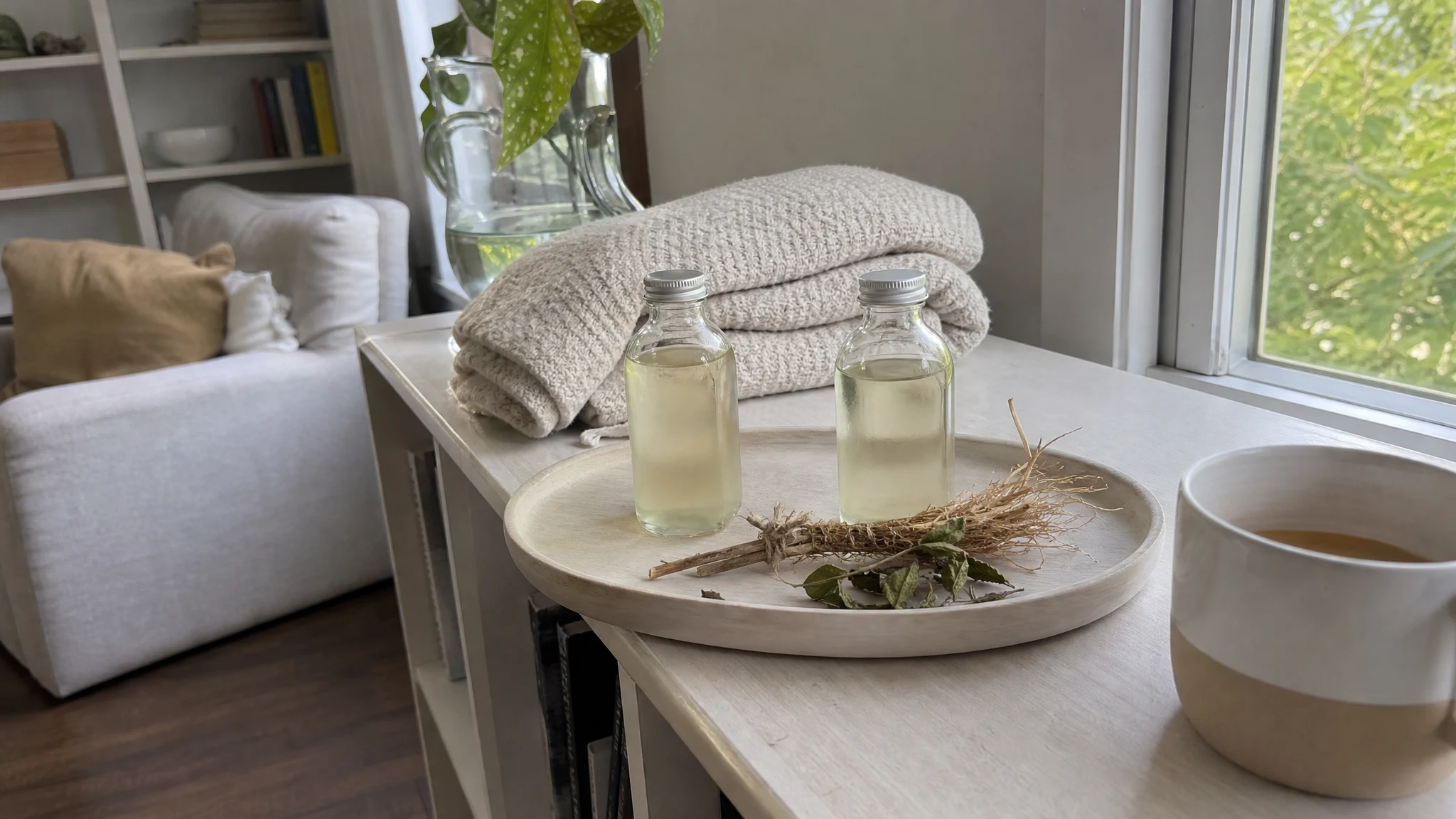
Patchouli vs Vetiver: Leaf Oil or Root Oil?
Both are earthy, both last for hours, but one comes from leaves and one from roots. We compare how they smell, what is in them and which to reach for.
Patchouli vs Sandalwood: Earthy Base or Sweet Wood?
Two classic base notes, two very different moods: dark and earthy against soft and woody. We compare scent, chemistry and the sandalwood labelling trap.

Patchouli vs Cedarwood Oil: Which Base Note?
One smells of forest floor, the other of fresh pencil shavings. We compare patchouli and cedarwood on scent, chemistry and how to blend them.
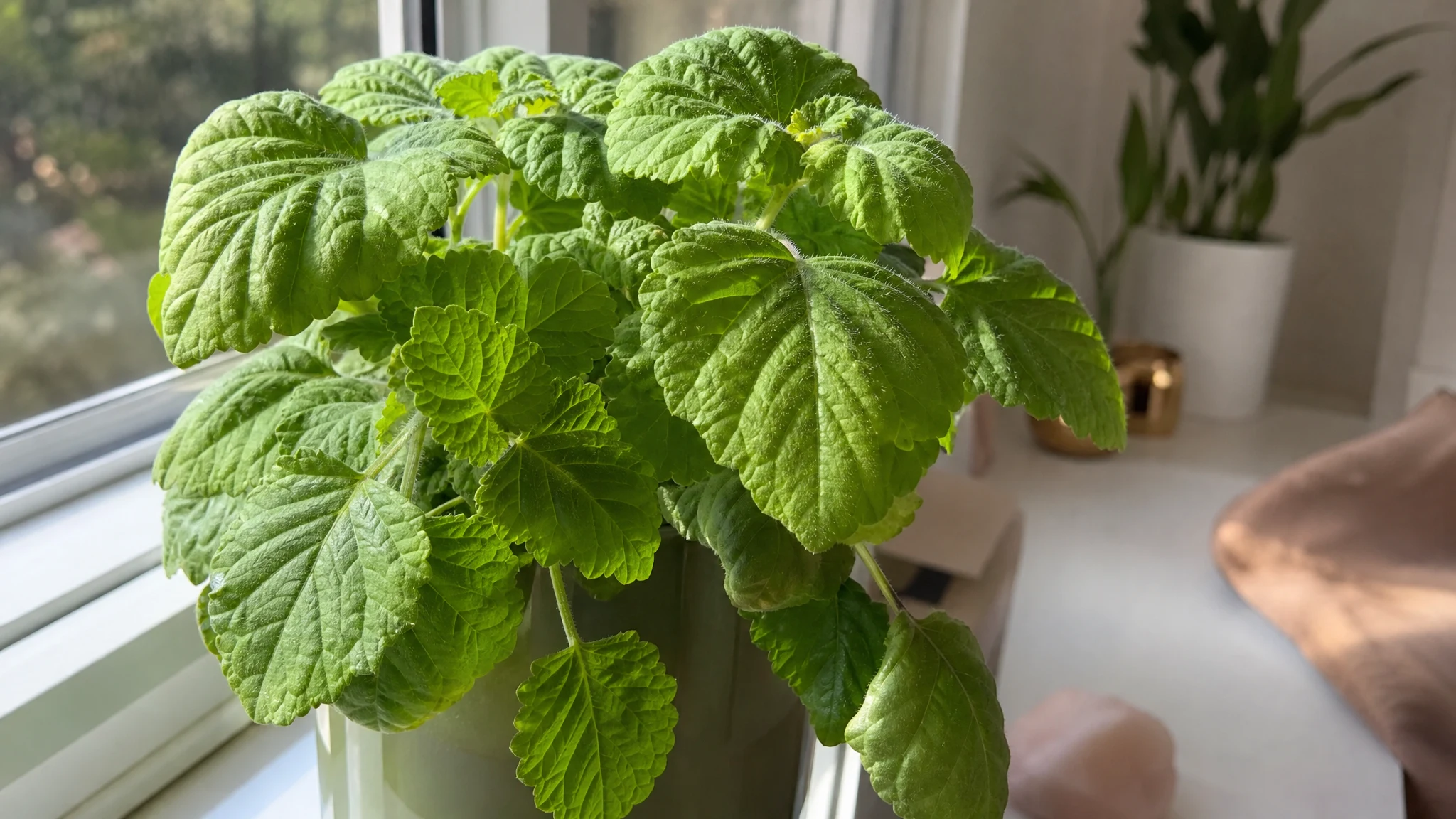
Growing Patchouli at Home: Leaves, Cuttings, Care
Patchouli roots from cuttings and smells wonderful when you brush the leaves. Here is what it needs, and the honest arithmetic of oil from a home plant.
Patchoulol and Patchouli Chemistry: What's in the Bottle
Patchoulol gets the credit, but it never works alone. Meet the other compounds in patchouli oil and learn why the percentages differ from report to report.

What Does USDA Organic Mean on an Essential Oil Label?
Organic on a bottle is a claim about how the plant was grown. Learn the label tiers, find the certifier line and check it yourself in the USDA database.

How to Read a Patchouli GC-MS Report
A GC-MS report shows what is in the bottle, and a certificate may not. Here is how to read both for patchouli oil and which questions to put in writing.

Indonesian vs Indian Patchouli: Does Origin Matter?
Most patchouli oil is Indonesian, and India buys more than it sells. Here is what an origin on the label really tells you about the oil in the bottle.
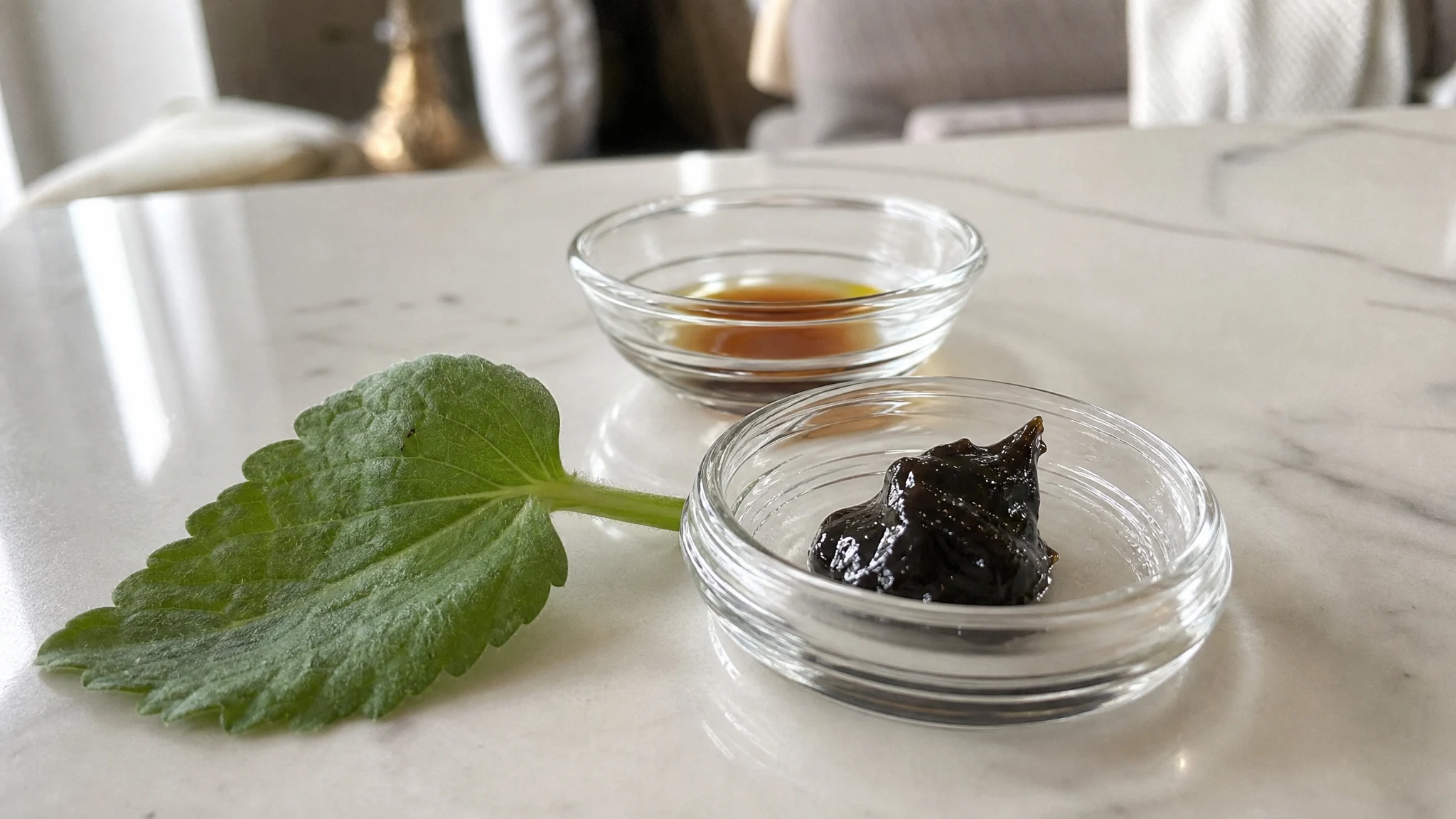
Patchouli Absolute vs CO2 Extract vs Essential Oil
Steam-distilled oil, absolute and CO2 extract all come from patchouli leaf but behave differently. How each is made and why recipes do not transfer.
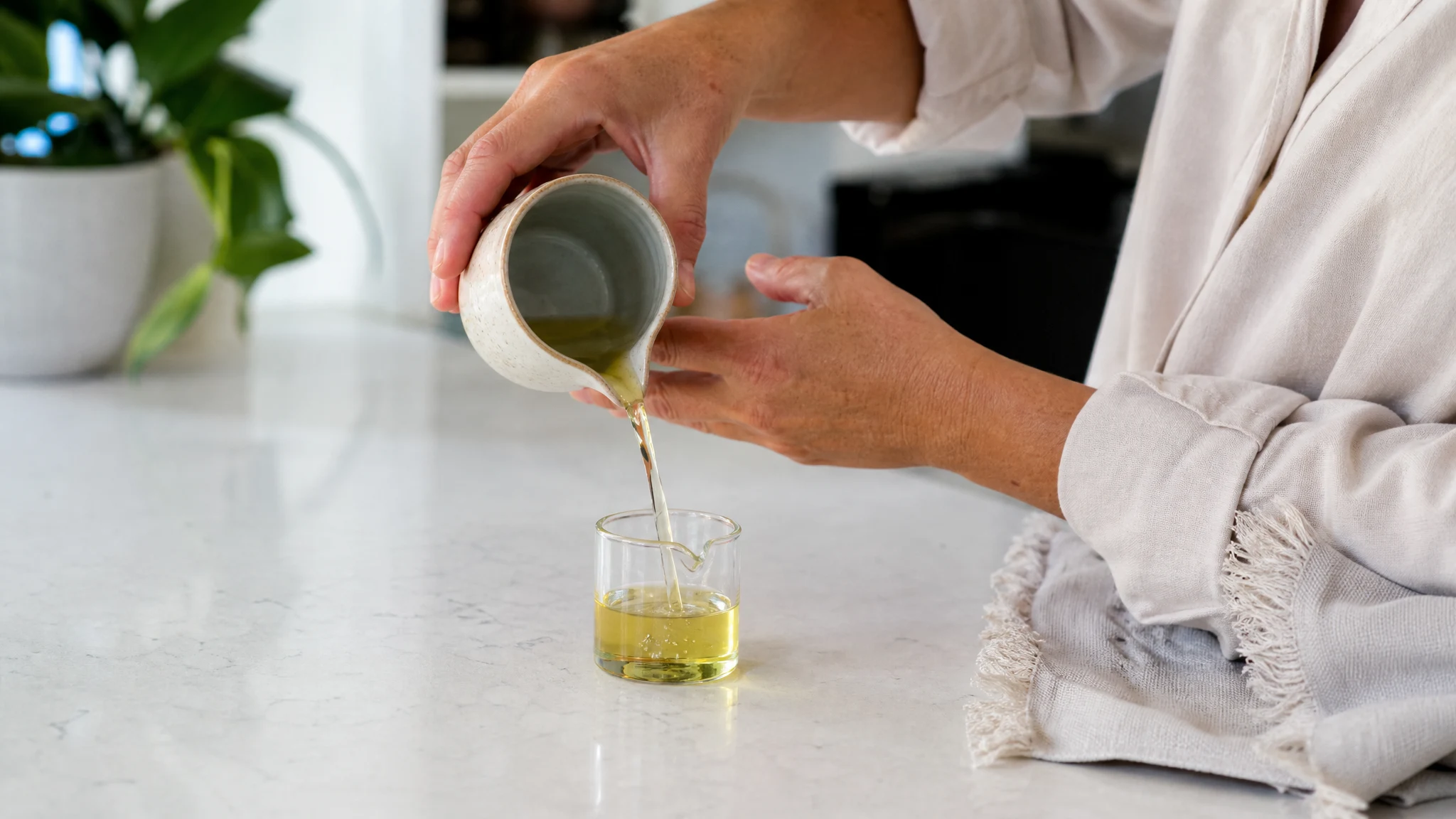
Patchouli Oil Dilution: Drops, Percentages and a Chart
Think in percentages, not drops. Our patchouli dilution chart covers 10 ml, 1 oz and 100 ml blends, and shows how to rescue one that came out too strong.

Patchouli Oil and Pets: Why Cats and Birds Come First
Cats and birds come first. What animal poison control says, what EFSA set for dogs and cats, and how to keep a patchouli bottle out of reach.

Patchouli Oil While Pregnant: Questions for Your Clinician
Pregnant or nursing and curious about patchouli oil? What the sources say, why the answer belongs to your clinician, and what to ask at your next visit.
Can You Swallow Patchouli Oil? Why We Say Never
Patchouli sits on a US food-flavoring list, and that trips people up. What the listing means, why one drop is strong, and who to call after a swallow.
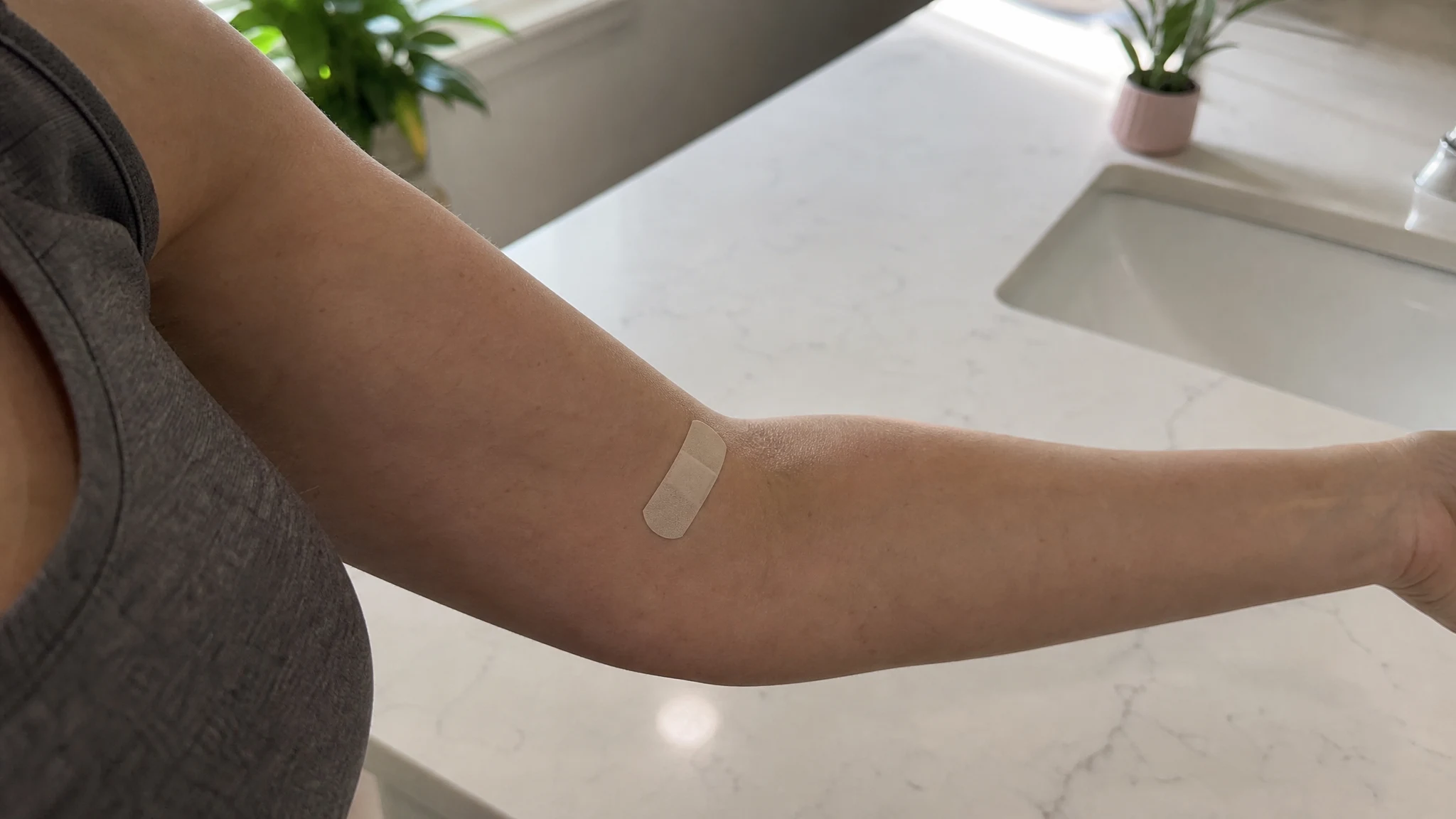
How to Patch Test Patchouli Oil at Home, Step by Step
Patchouli lingers, and reactions can arrive days late. Here is a careful home patch test, and what only a dermatologist's clinic test can tell you.
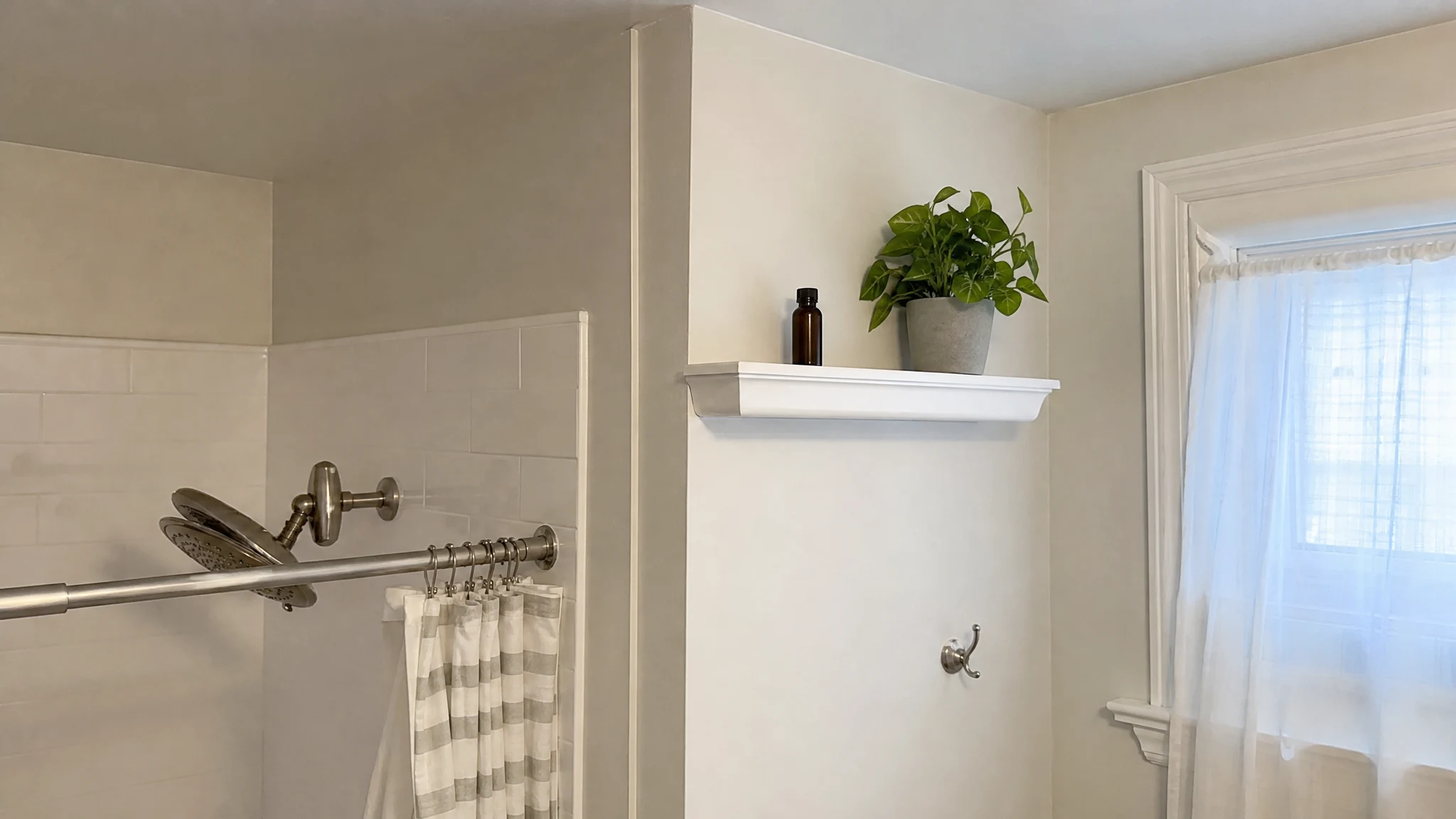
Patchouli Oil and Children: Storage Comes First
The biggest child-safety decision with patchouli oil is where the bottle lives. Here is the storage routine we recommend and what Poison Control advises.
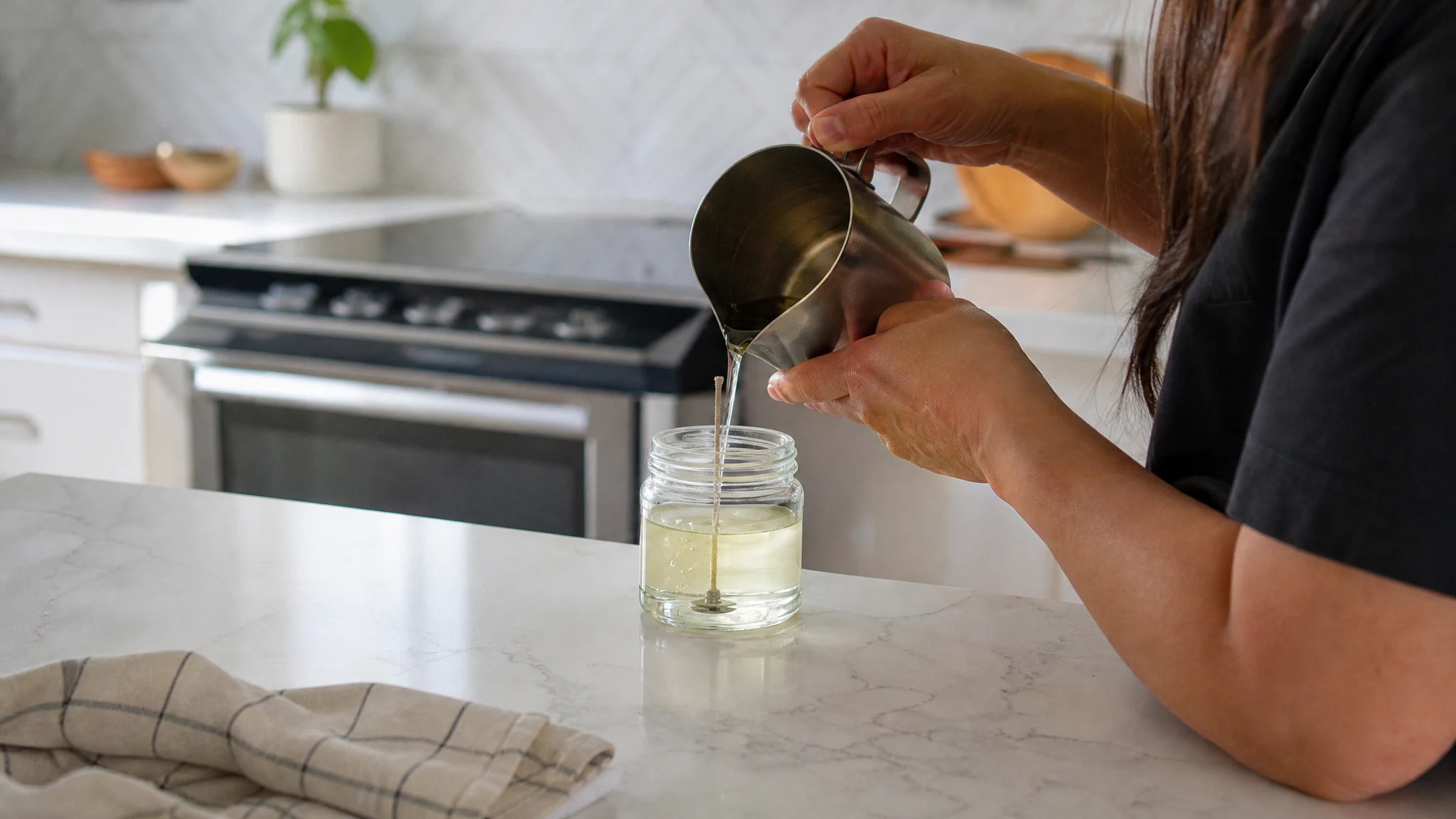
Patchouli Candles: Fragrance Load, Wax and Wicks
Your wax sets the fragrance ceiling, not the oil. See two real wax data sheets compared, the grams per pour, and how a single test candle settles it.
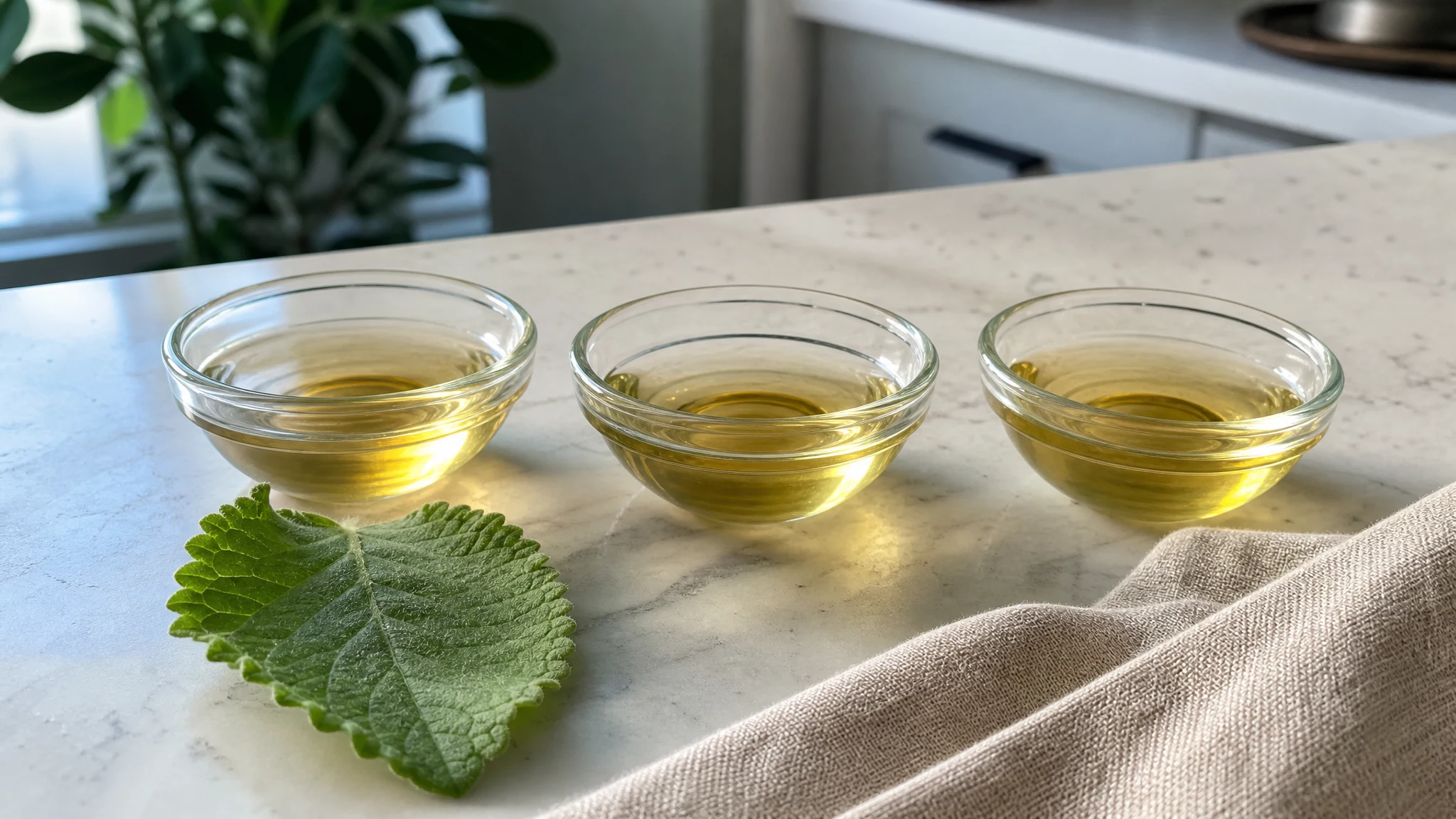
Best Carrier Oils for Patchouli: Jojoba, Almond, Coconut
Jojoba, sweet almond or fractionated coconut? Pick a carrier for patchouli by how long it will sit and who will use it, with drops per dilution.

Patchouli Oil and Acne: What Lab Studies Show
Patchouli oil slowed acne-associated bacteria in lab dishes. Here is what three studies actually tested and why a dish result is not a skin result.

Patchouli Oil for Stretch Marks: A Plain Answer
Looking for a stretch mark answer in a bottle of patchouli? We walk through what the NHS and a Cochrane review say, and what an aroma oil is really for.

Patchouli Oil on Your Face: Dilution and Scent Tips
Patchouli on the face is first a scent decision. We cover gentle dilution, the sun question, patch testing, and when to leave the oil out altogether.
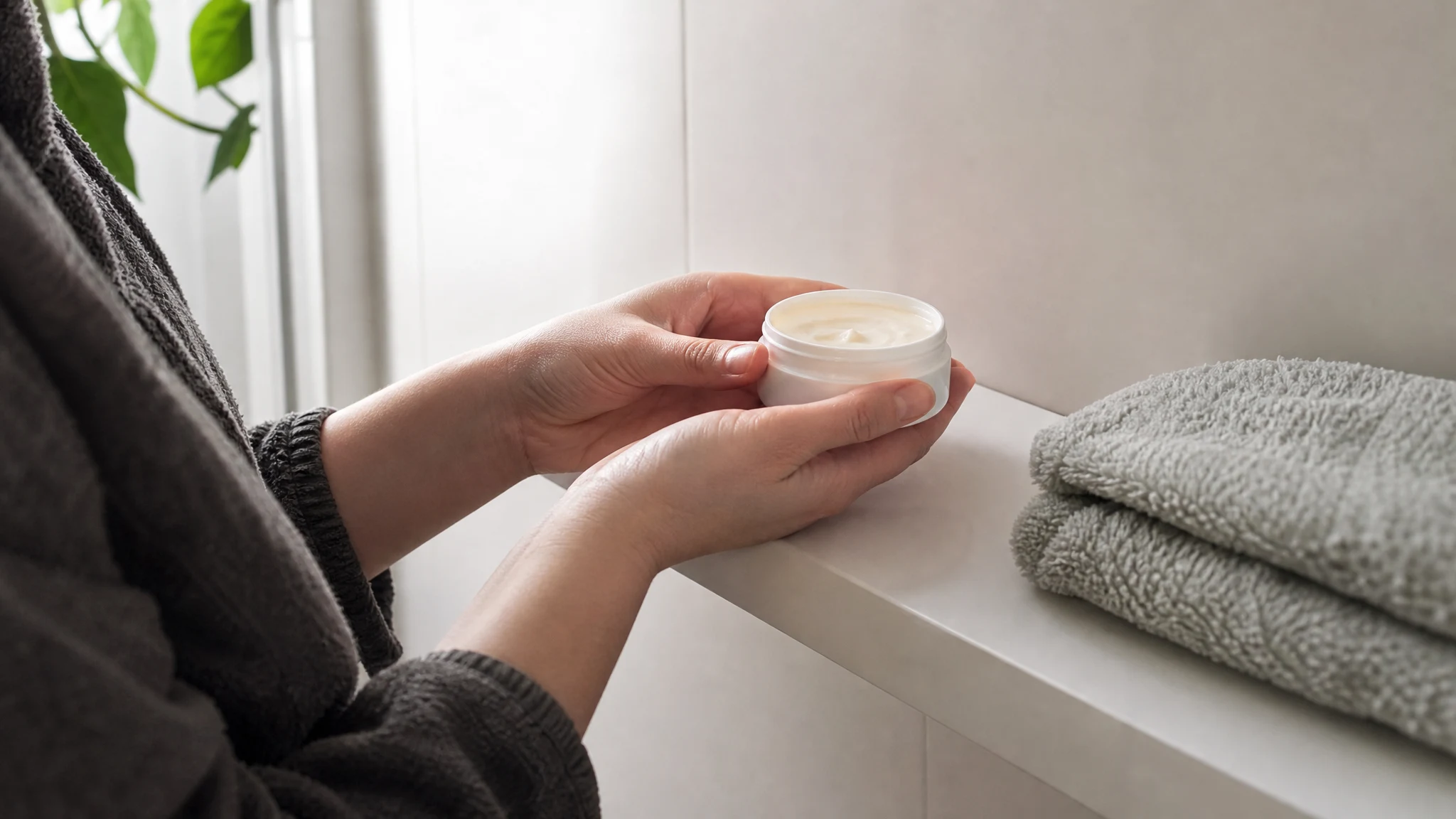
Patchouli Oil for Sensitive Skin: When to Hold Off
Patchouli is a lovely aroma, but eczema-prone skin deserves a careful answer. What the studies show, what fragrance means for flares, and what to ask.

Patchouli Hair Oil: How Many Drops Per Ounce?
Patchouli is a classic hair oil scent. See what it adds to a blend, how many drops an ounce of carrier oil can carry, and how to spare the pillowcase.
Patchouli Oil and Flaky Scalps: What Lab Papers Say
Patchouli slowed some fungi in a dish, but flaky scalps call for proven products. What the lab papers show and how to keep patchouli a scent pleasure.
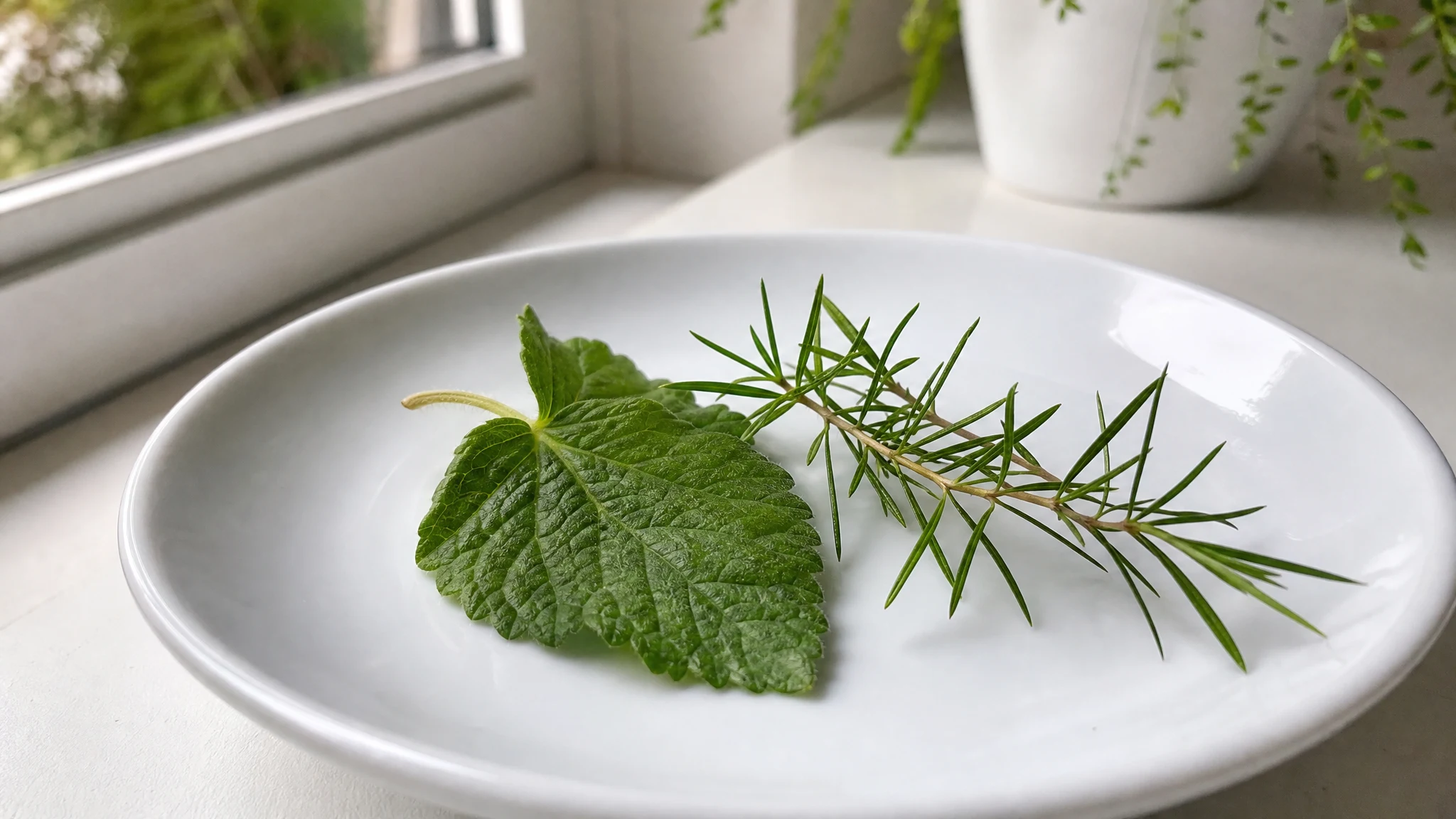
Patchouli vs Tea Tree Oil: Which One Is for You?
Patchouli is earthy and slow; tea tree is sharp and medicinal. How the two oils differ in scent, research record and handling around skin.
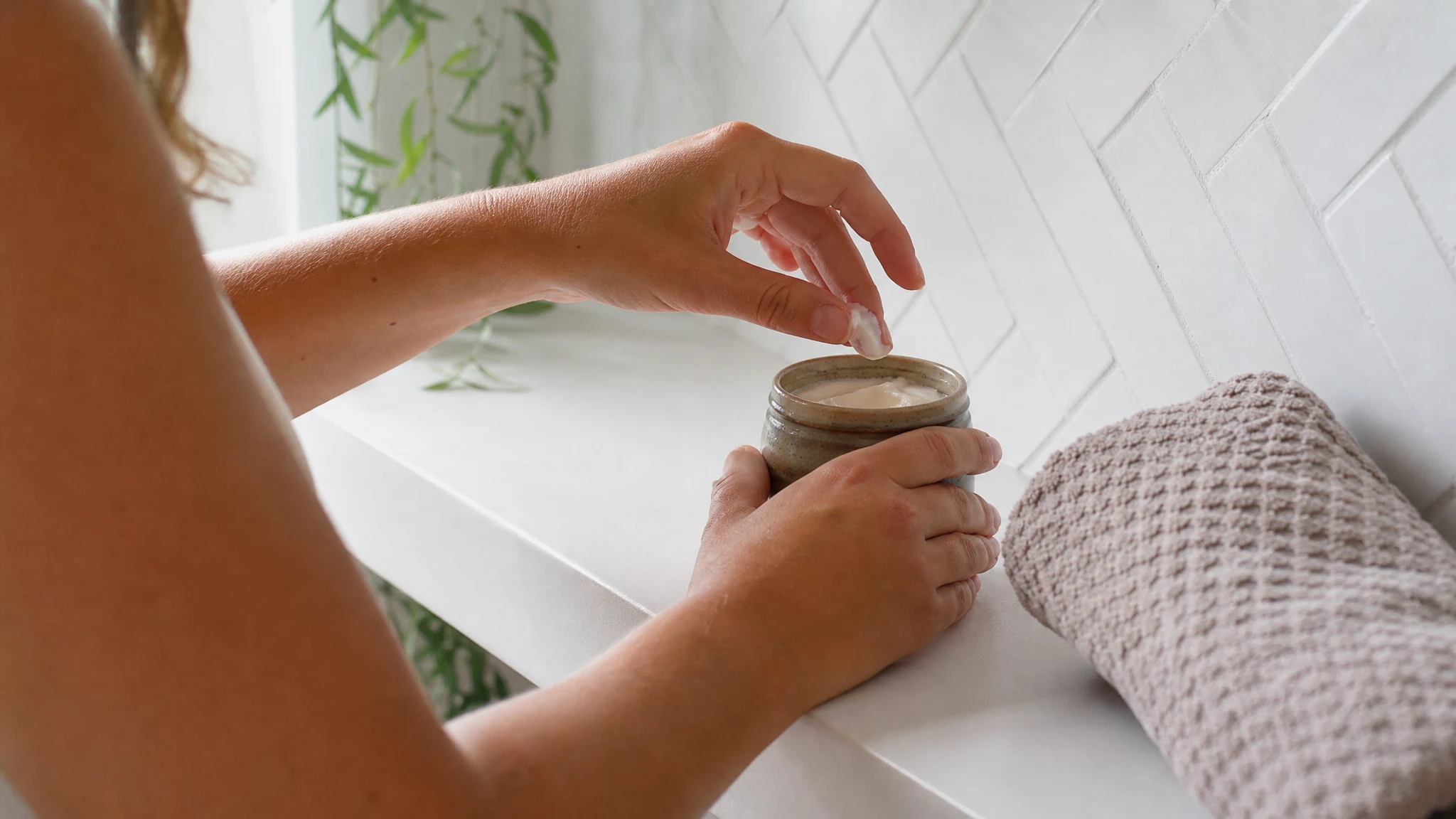
Patchouli in Homemade Deodorant: How Much Is Enough?
The underarm is thin and delicate, so patchouli goes in lightly. Here is the weight-based arithmetic, a patch test routine, and a note on white shirts.
Patchouli Aromatherapy: Scent, Memory and the Research
Why patchouli sticks in the memory, what the one study people quote really measured, and how we like to use it as a heavy base note at home.

Does Patchouli Scent Reduce Stress? What Studies Say
A pleasant aroma is not a treatment. A look at the few patchouli studies on stress, what they measured, and when to talk to a professional instead.

Patchouli Oil in the Bedroom: Scent, Not a Sleep Aid
Patchouli in the bedroom is about scent, not a sleep fix. We cover what the research says, what doctors put first, and how to enjoy it with clean sheets.

Patchouli Scent for Meditation: Building a Cue
A smell you only meet at one cushion can become the cue to sit. Here is how patchouli fits that habit, and how to scent a quiet space sensibly.
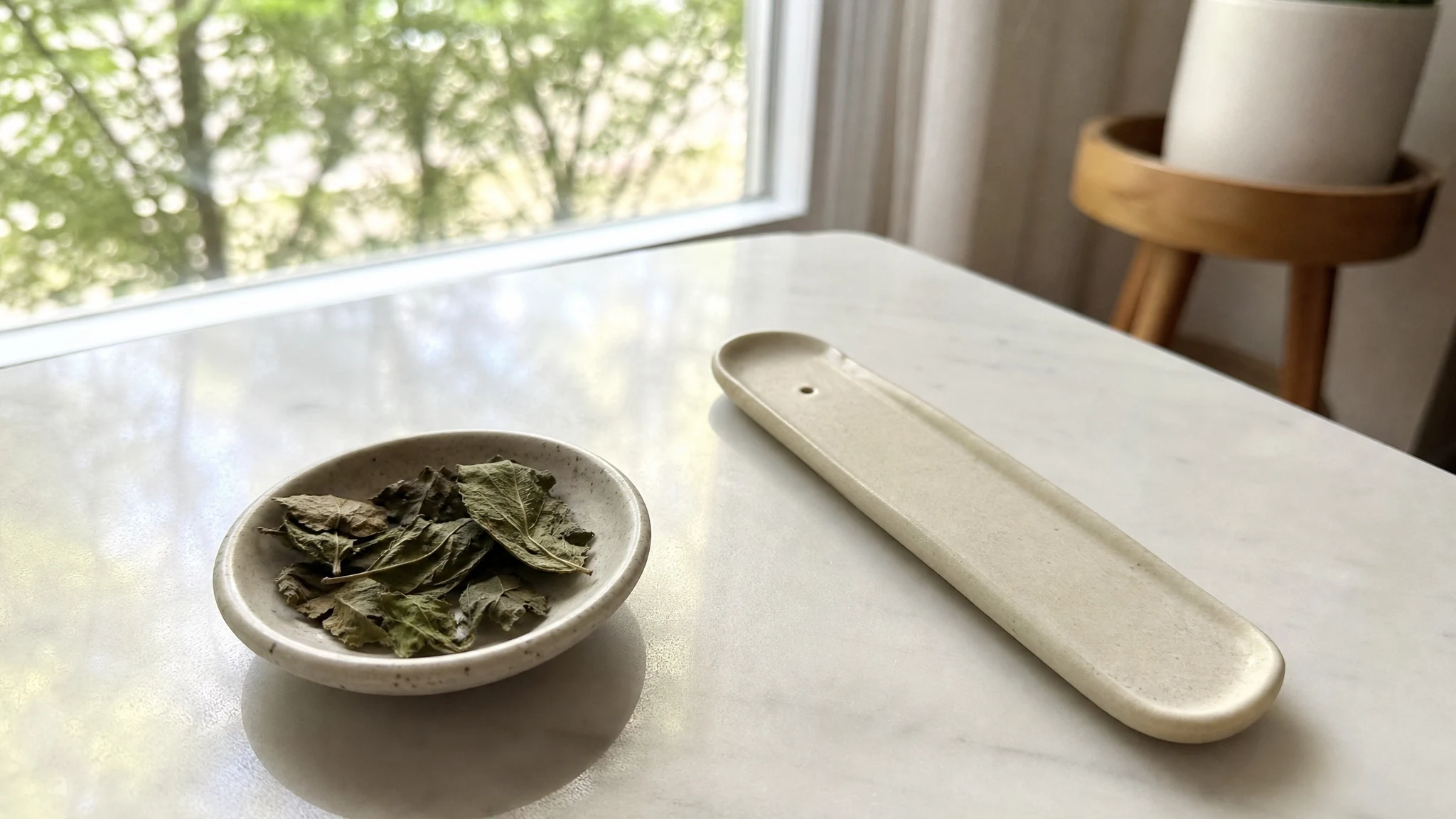
Patchouli Traditions: What History Actually Records
Patchouli's traditions run deep in Asian herbal medicine. We separate what reviews record from modern meanings and explain why the herb and oil differ.
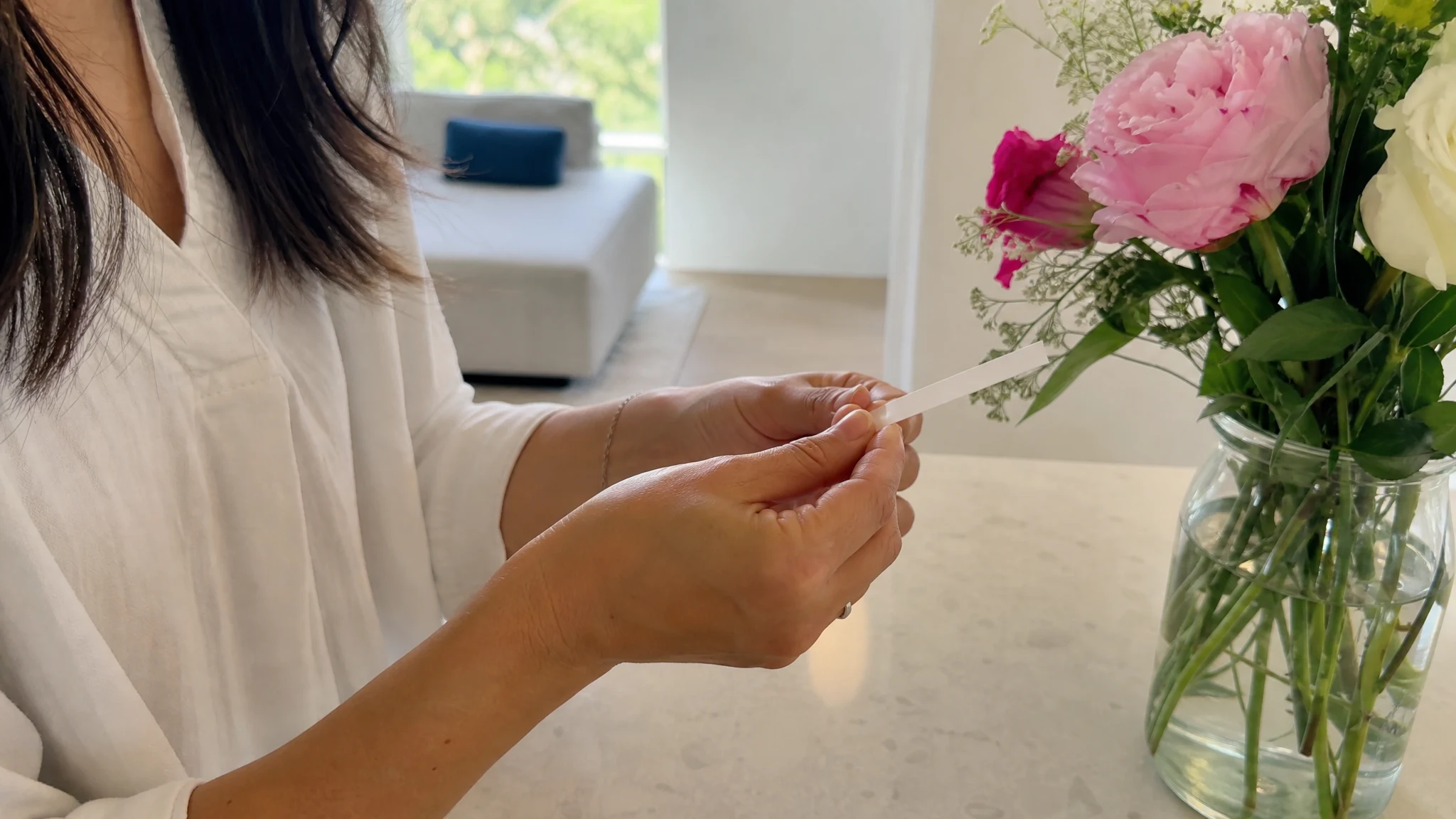
Is Patchouli an Aphrodisiac? Myth, Memory and Scent
Patchouli has a romantic reputation the research does not back. What science says about scent, memory and pheromones, and why we love it as an aroma.
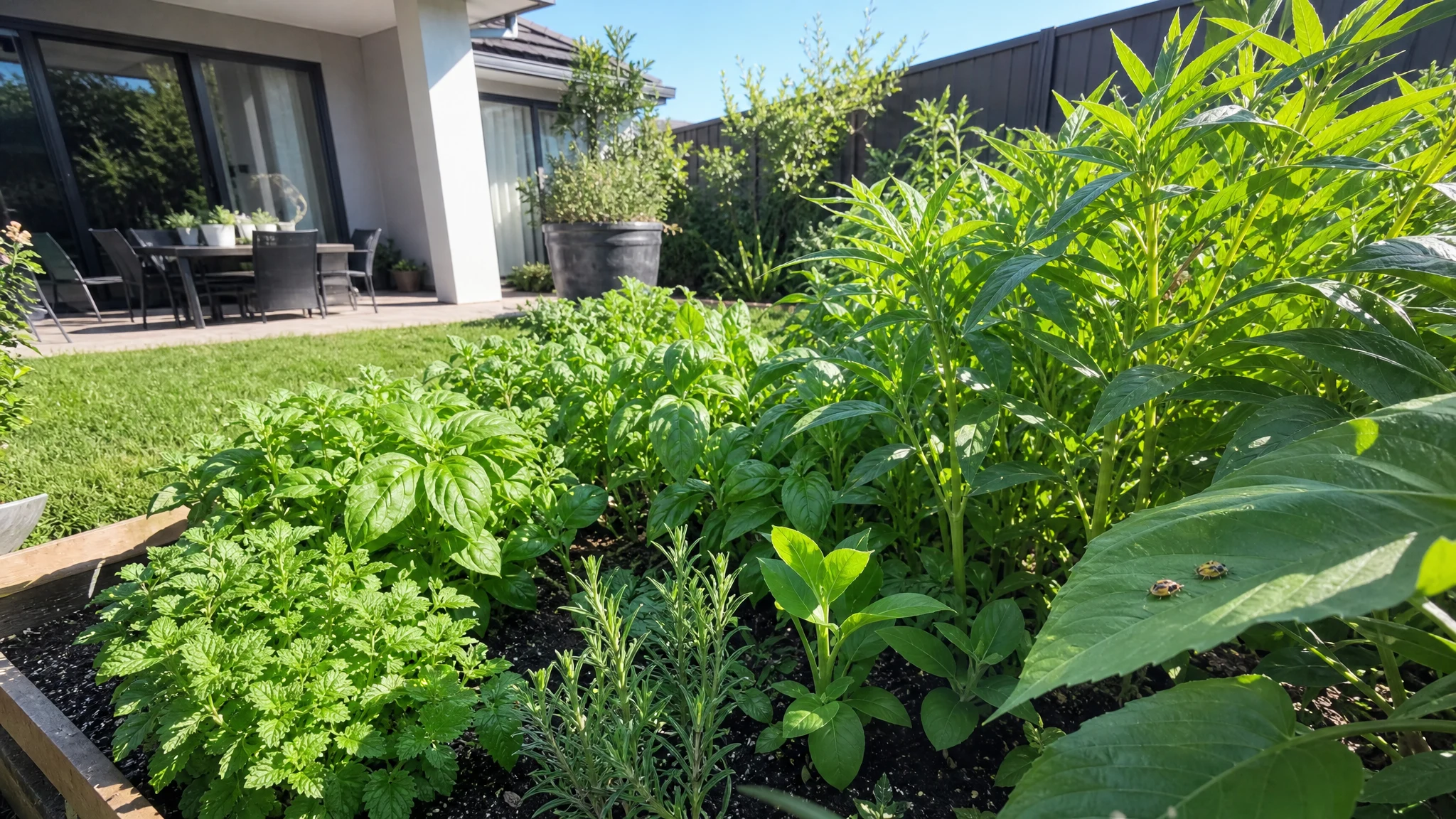
Does Patchouli Repel Insects? Folklore and Facts
Patchouli leaves were once tucked among stored clothes to deter insects. We trace that reputation and why bite protection calls for a registered repellent.

Does Patchouli Oil Repel Mosquitoes? What Studies Show
Cage tests show patchouli can keep mosquitoes off treated skin for a while. What the numbers mean, and when to reach for a registered repellent.

Patchouli for Moths: Old Lore, and What Really Works
Patchouli's shawl story is old and charming. Here is what truly protects wool from moths, and a closet tin that gives you the scent without the stains.
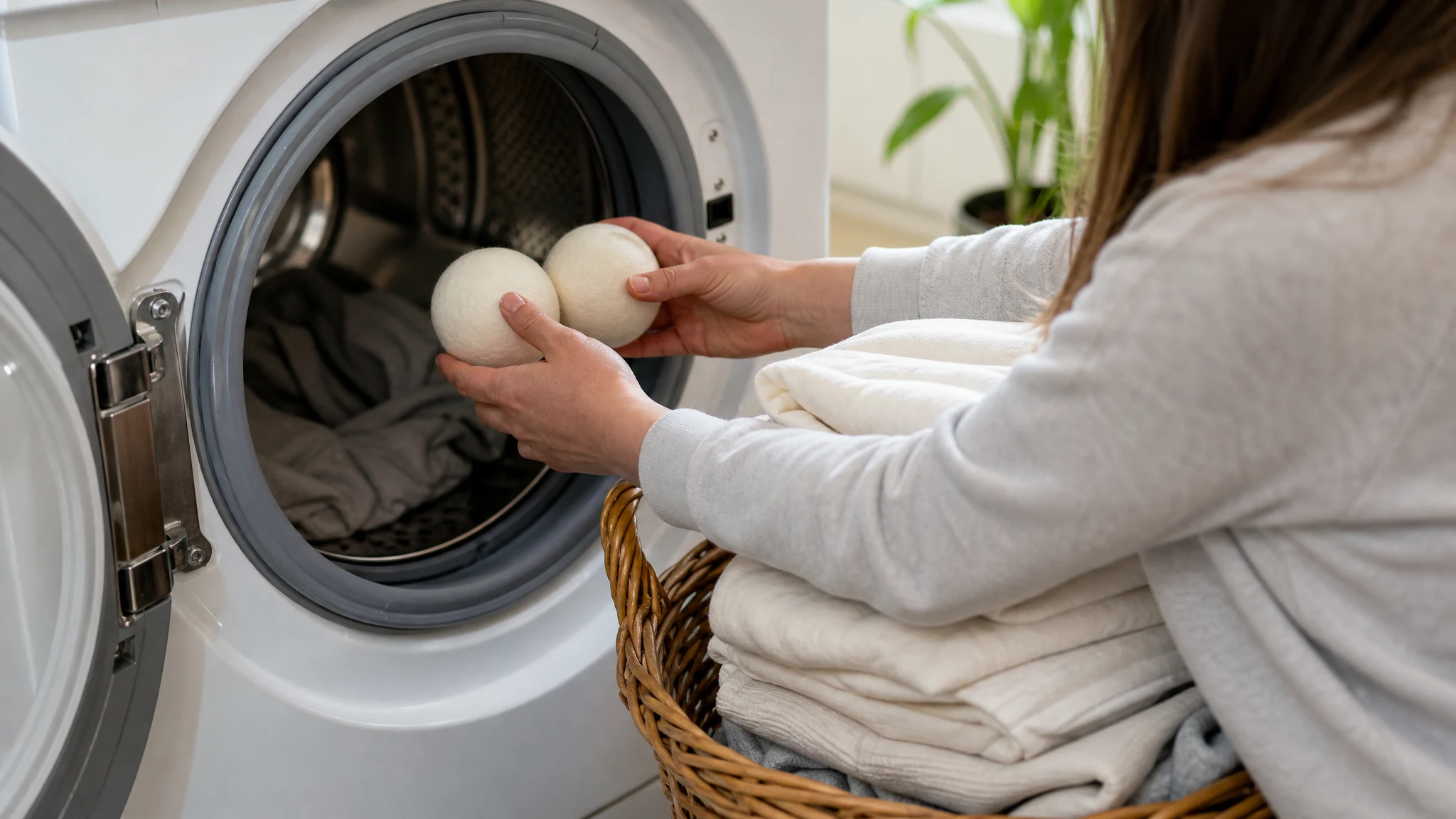
Patchouli Oil for Laundry: Scent Without the Stains
Patchouli stays on cloth for days. Here is how to scent clean linens with it, keep oil out of the dryer and rescue a stain if a drop lands.

How to Get Patchouli Smell Out of Clothes, Skin and Rooms
Patchouli clings by design. Blot, lift the oil with detergent, ventilate the room and skip ozone machines. A practical routine for clothes, skin and rooms.
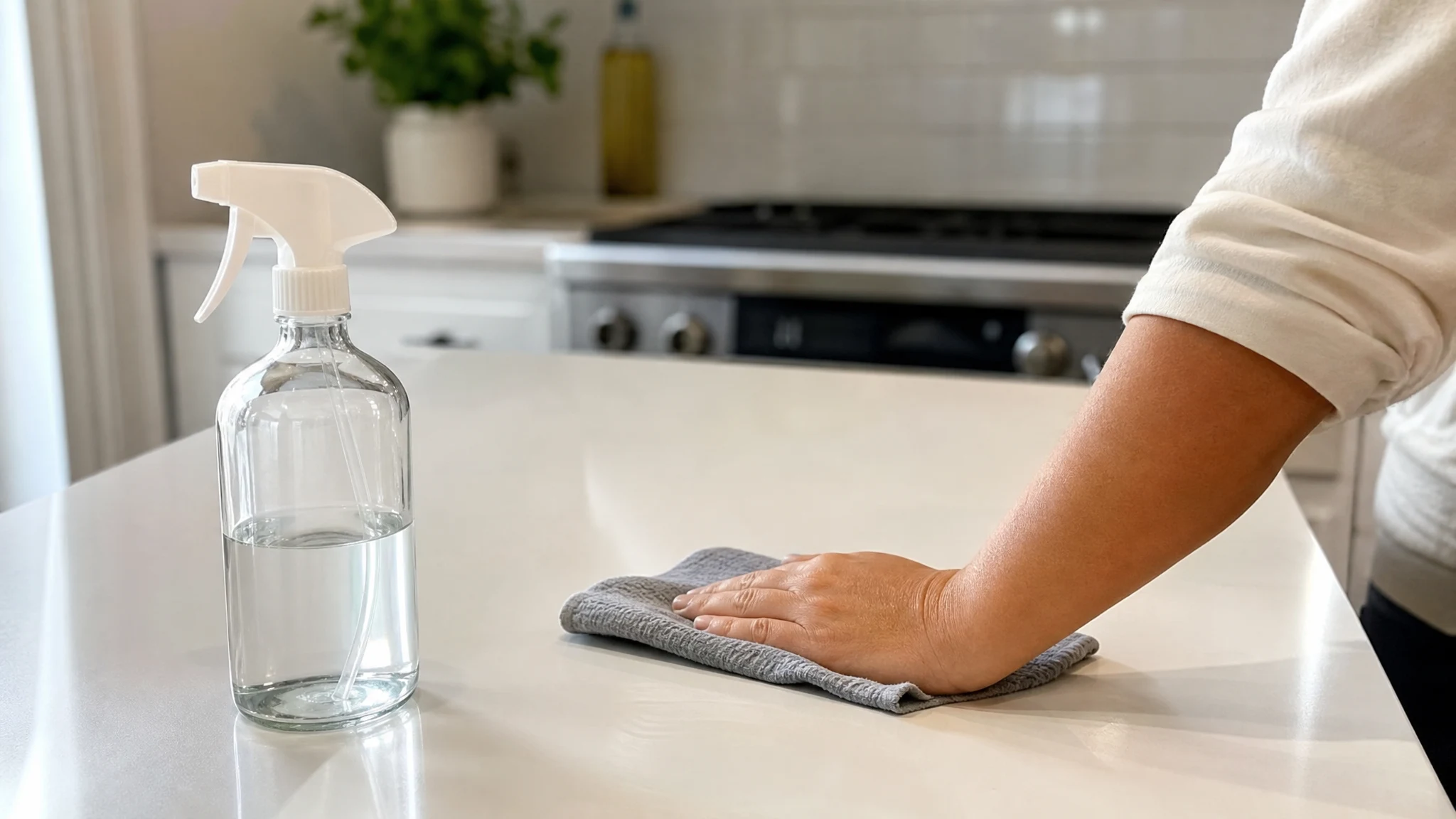
Patchouli in a Cleaning Spray: How Much to Add
Add an earthy note to a cleaner you already trust. Oil amounts for 1, 8 and 16 oz bottles, how to keep it mixed, and which surfaces to keep it off.

Is Patchouli Sustainable? Farms, Firewood and Questions
Patchouli farms keep moving, and stills run on firewood. See what sustainable patchouli really involves and the questions worth asking any supplier.
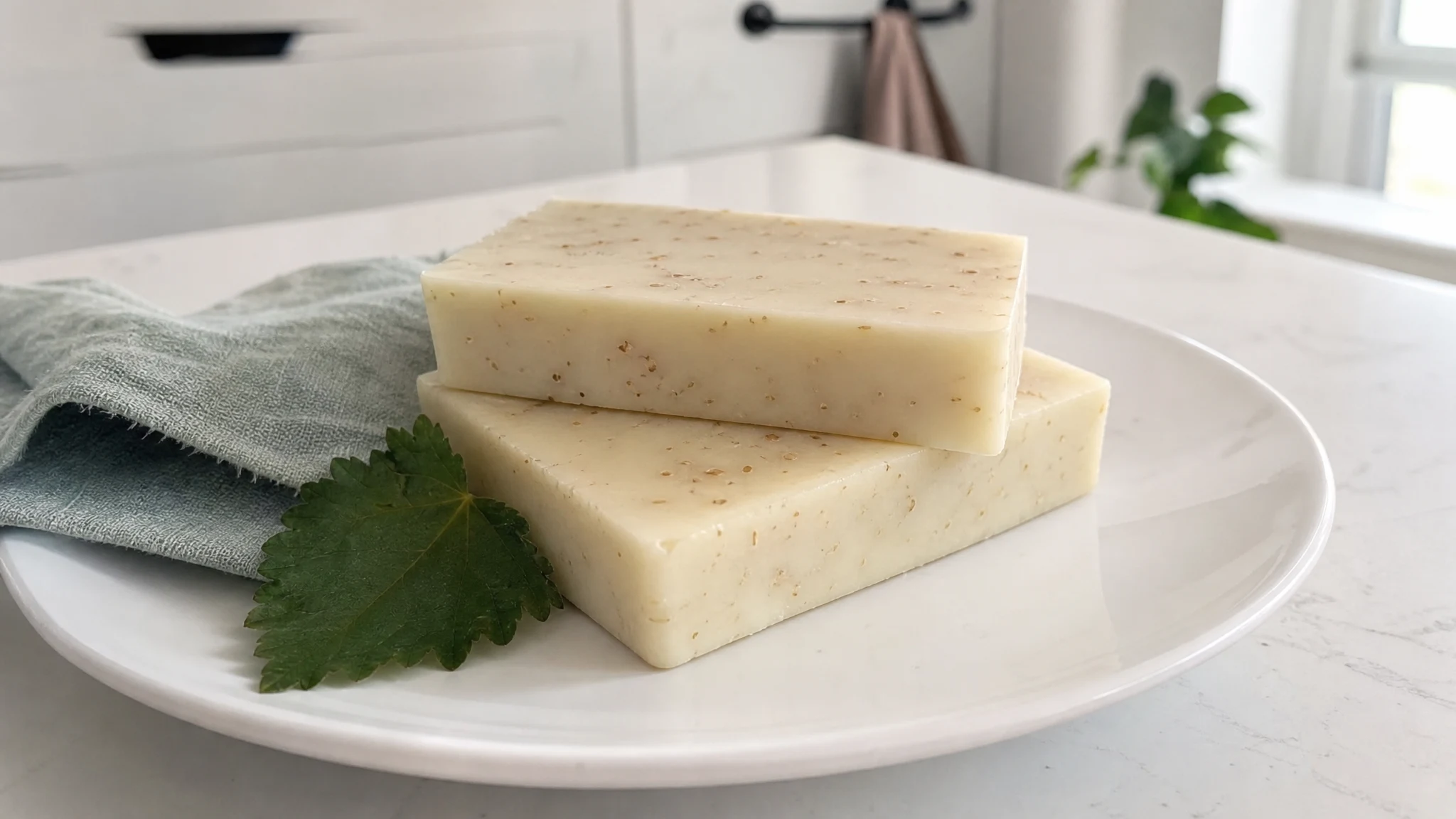
Patchouli in Cold Process Soap: Scent and Color Tips
A soap maker's guide to patchouli: where to start by batch weight, how its dark colour behaves, and why a small test bar is the best teacher.

What Is Patchouli Oil? From Leaf to Bottle
A bushy herb that rarely flowers, a slow curing step and a long distillation: how patchouli leaf becomes the deep base note perfumers rely on.

How to Use Patchouli Oil Without Overdoing It
Patchouli is a base note that lingers on skin and cloth. How to use it in a diffuser, on skin, in perfume and in soap, with simple dilution arithmetic.

Buying Patchouli Oil: What to Ask Before You Order
Soap, perfume and diffuser buyers need different things from patchouli oil. What to ask for by job, how to read a data sheet and how much to order.

What Patchouli Smells Like: Earthy, Woody, a Little Sweet
Damp earth, aged wood and a slow wine-like sweetness: what patchouli really smells like, why it changes over time, and how to meet a new bottle.

How Is Patchouli Oil Made? Harvest, Curing, Still
Patchouli oil is made with patience: leaves cut, dried and cured, then steamed for hours and left to mature. Here is each step and why it shapes the scent.
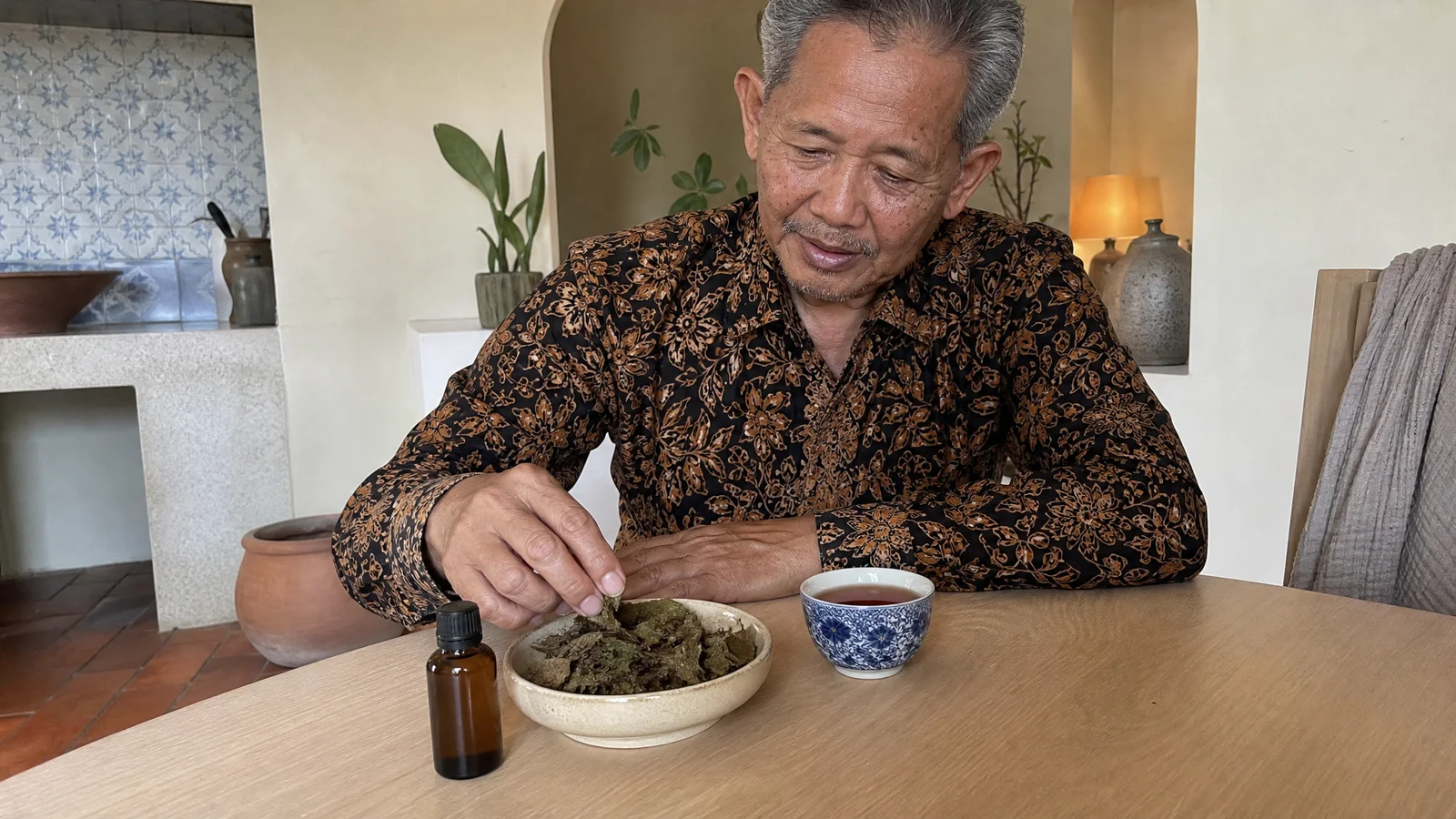
Patchouli Oil FAQ: Straight Answers to Common Questions
What patchouli oil is, why a little goes far, how much to dilute, how to store it and what our Certificate of Analysis lists, answered in a few lines each.
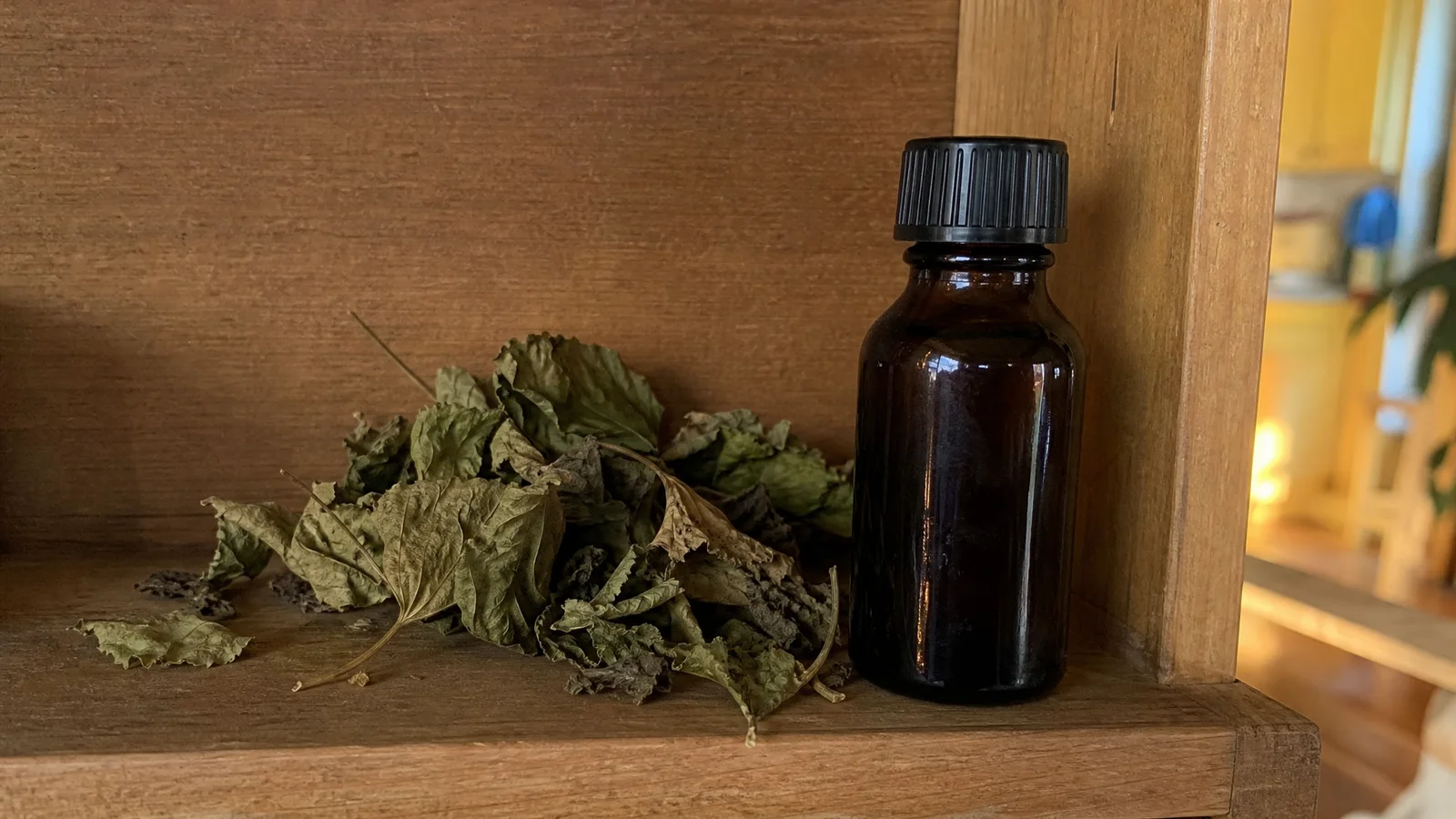
How to Store Patchouli Oil So It Mellows Well
Patchouli is an oil people age on purpose. How to store a bottle cool, dark and closed so it mellows well, and what the shelf-life sources say.

Patchouli History: From Perfumed Ink to Sumatra
Perfumed ink, shawls that reached Europe before the leaf did, and an oil trade that hopped from Penang to Sumatra: the older story behind patchouli.
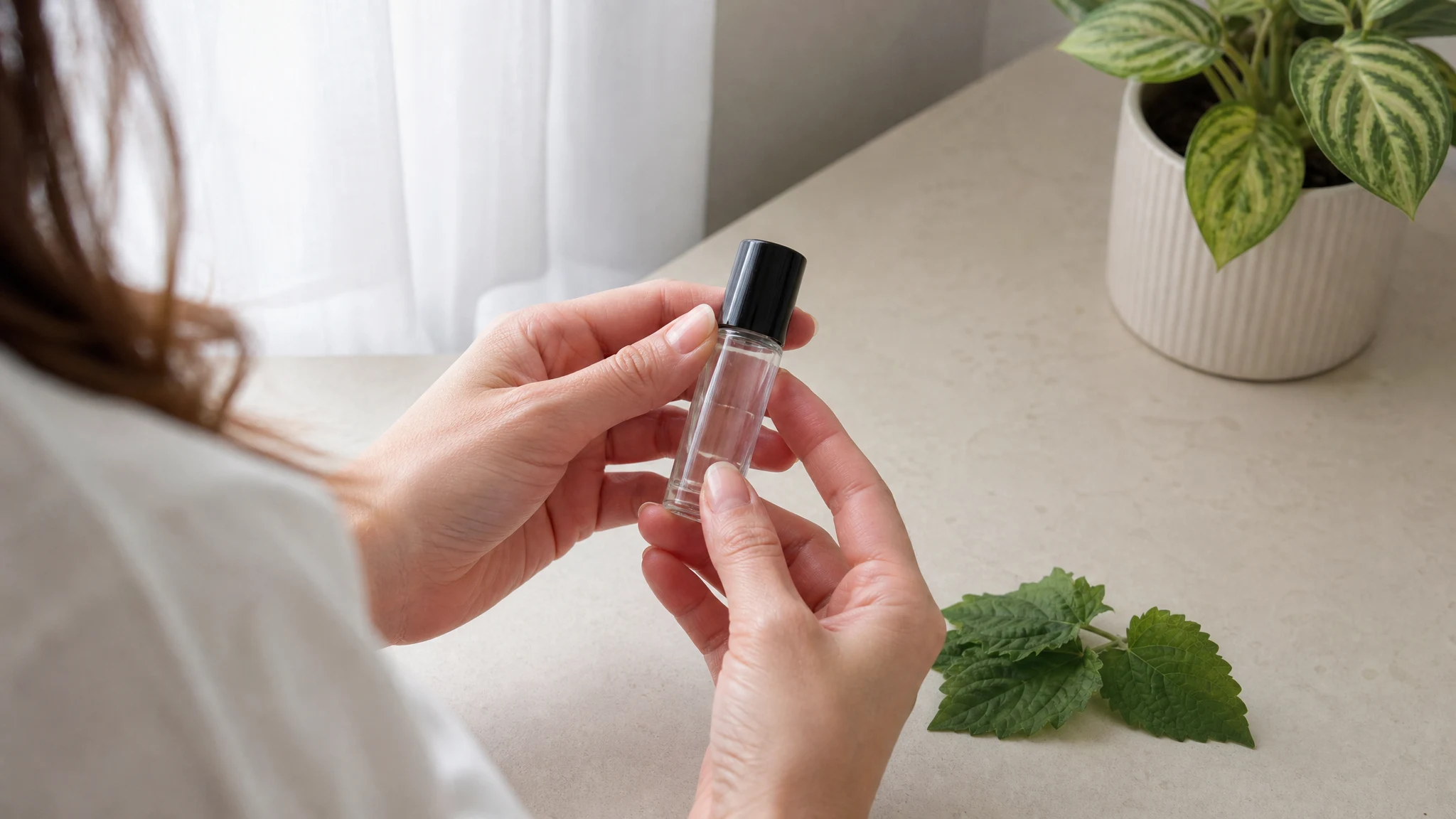
How to Make a Patchouli Perfume at Home
A homemade perfume is really a dilution. Here is how to build a light, lasting patchouli roll-on or spray, with stock dilutions that make the maths easy.
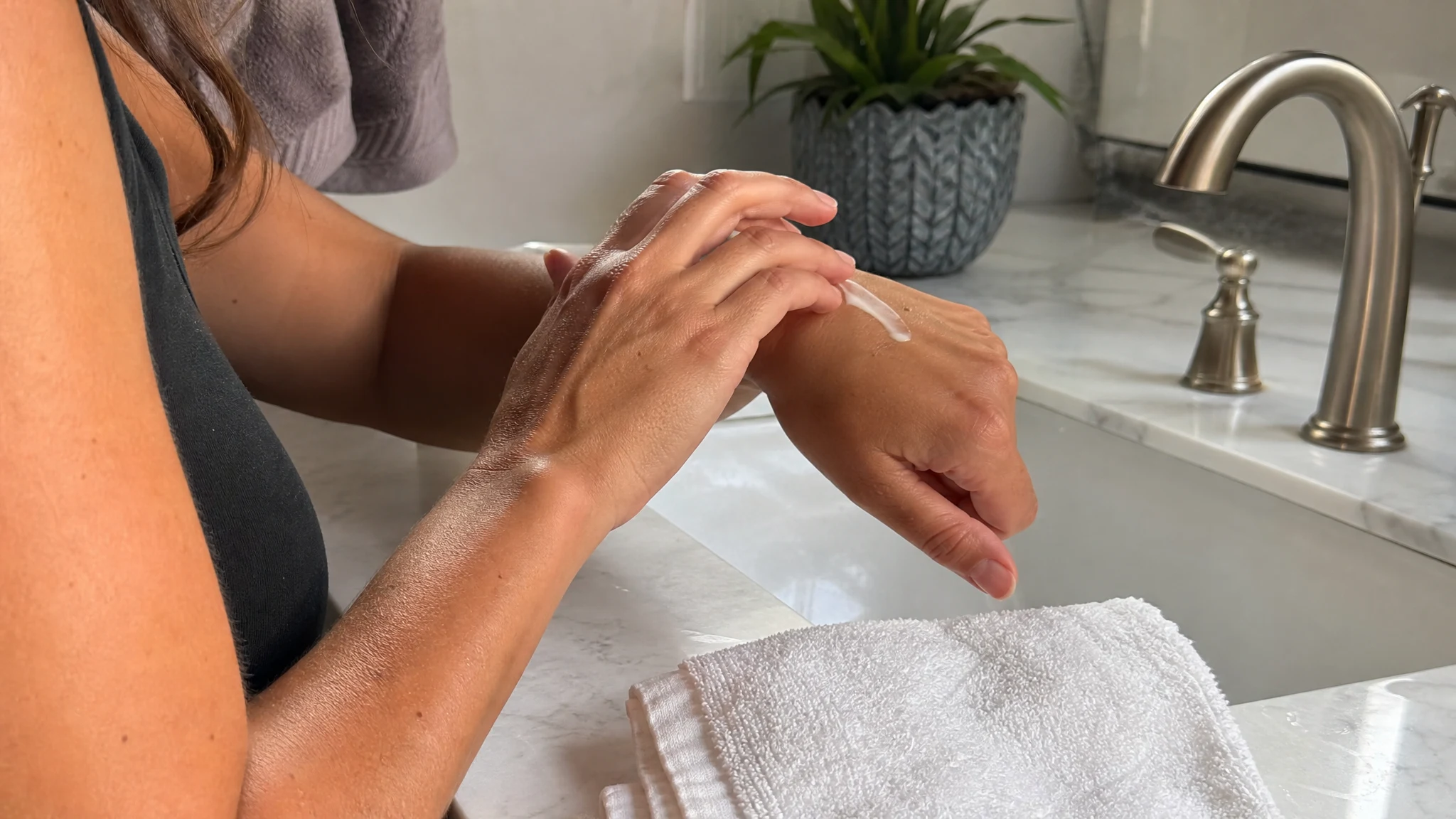
Using Patchouli Oil on Skin: A Careful First Step
Patchouli is a scent first. Here is how we would approach it on skin: who should ask first, how much to dilute, where to start and how to patch test.

Patchouli Beard Oil: How Many Drops per Bottle
A beard sits at nose level all day, so a little patchouli goes a long way. Here are the drops for a 15, 30 or 50 ml bottle and how to mix it.
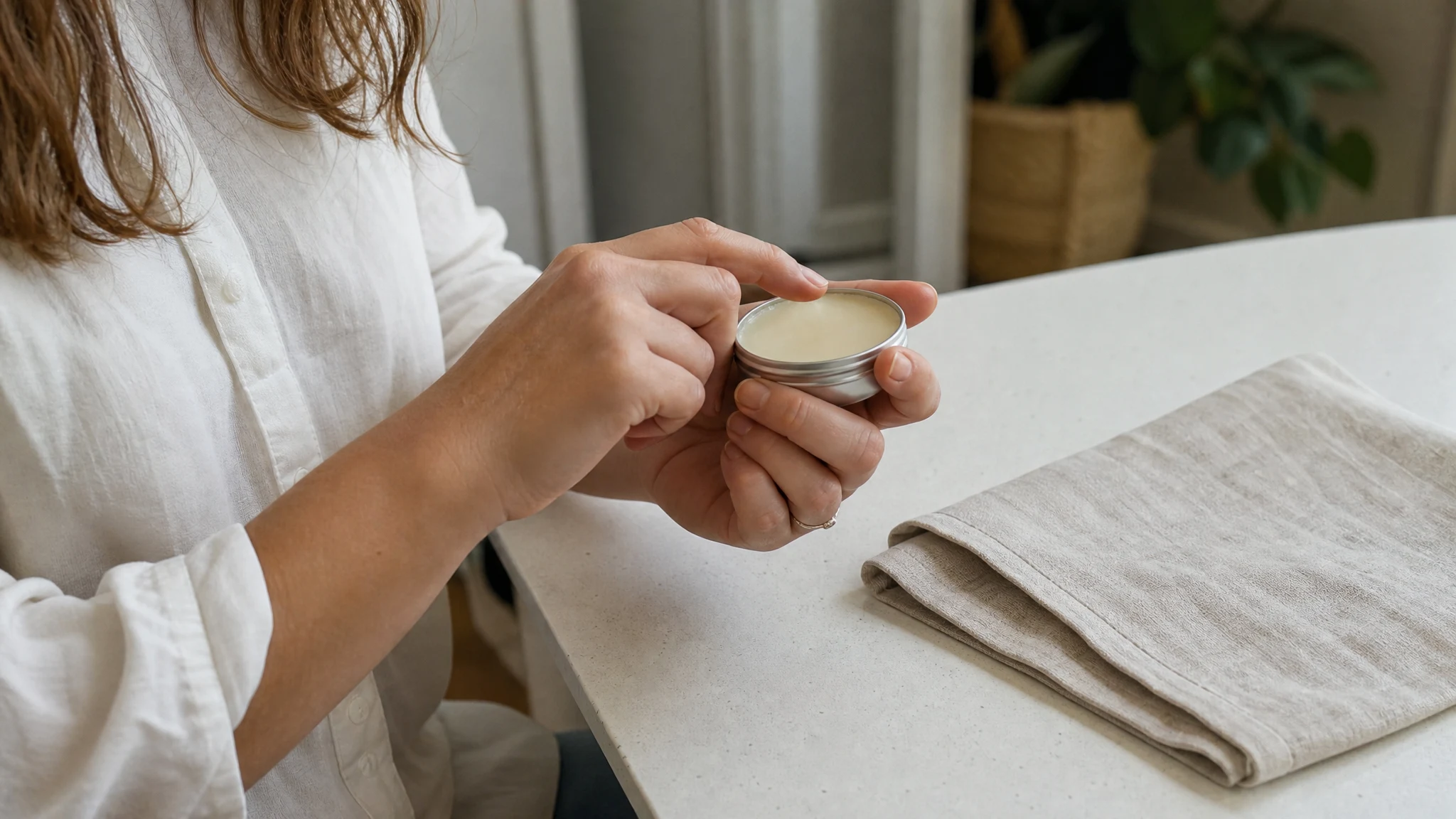
Patchouli Body Oil vs Solid Perfume: Make Either
A body oil and a solid perfume put patchouli on skin differently. Here are the strengths, drops and gram weights for each, from IFRA and Tisserand.
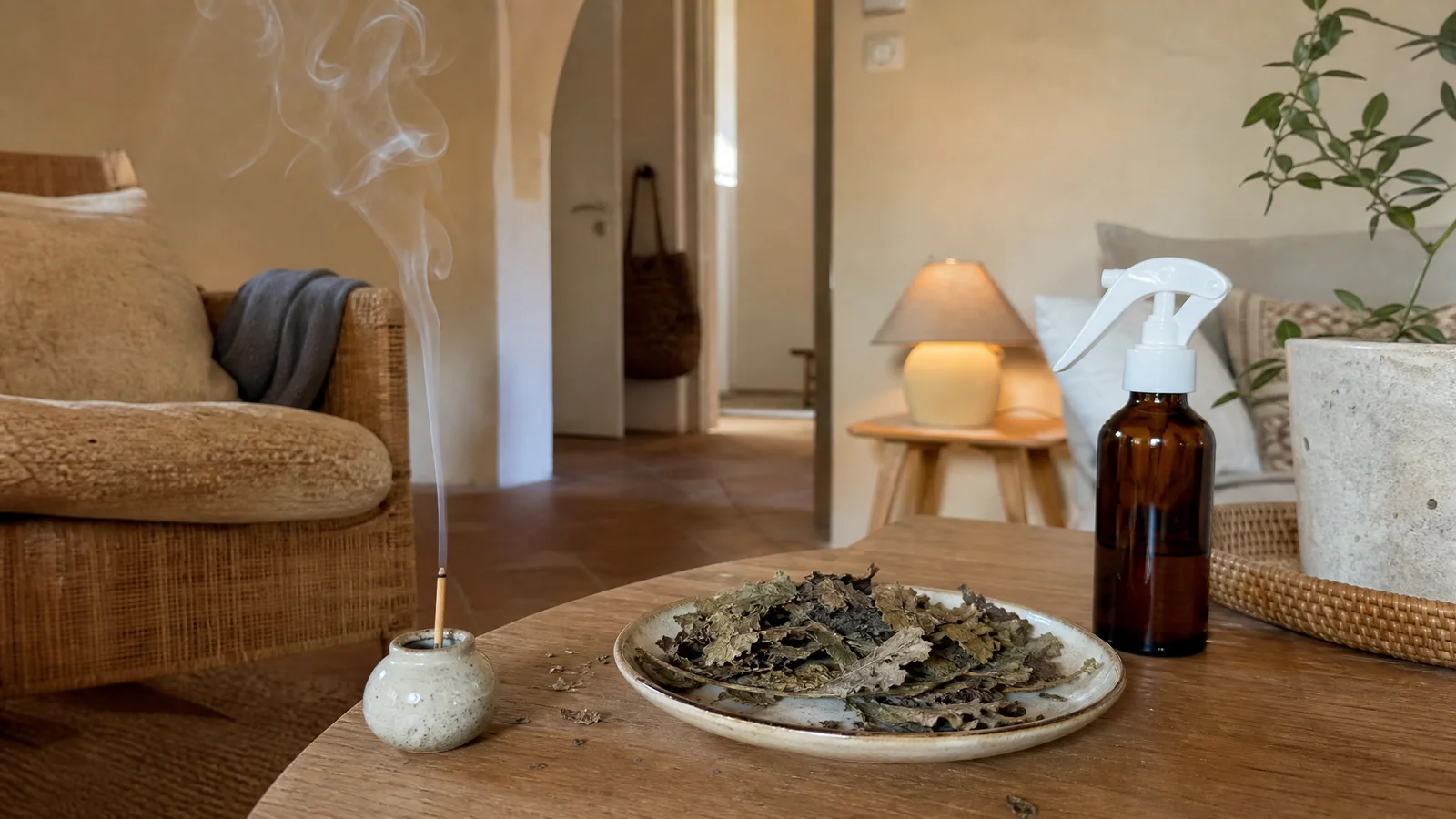
Patchouli Room Mist: How to Make One, and Why Not Incense
Why we reach for a patchouli room mist before incense: what smoke adds to indoor air, what dissolves the oil, and how to keep the mist safe and stain free.
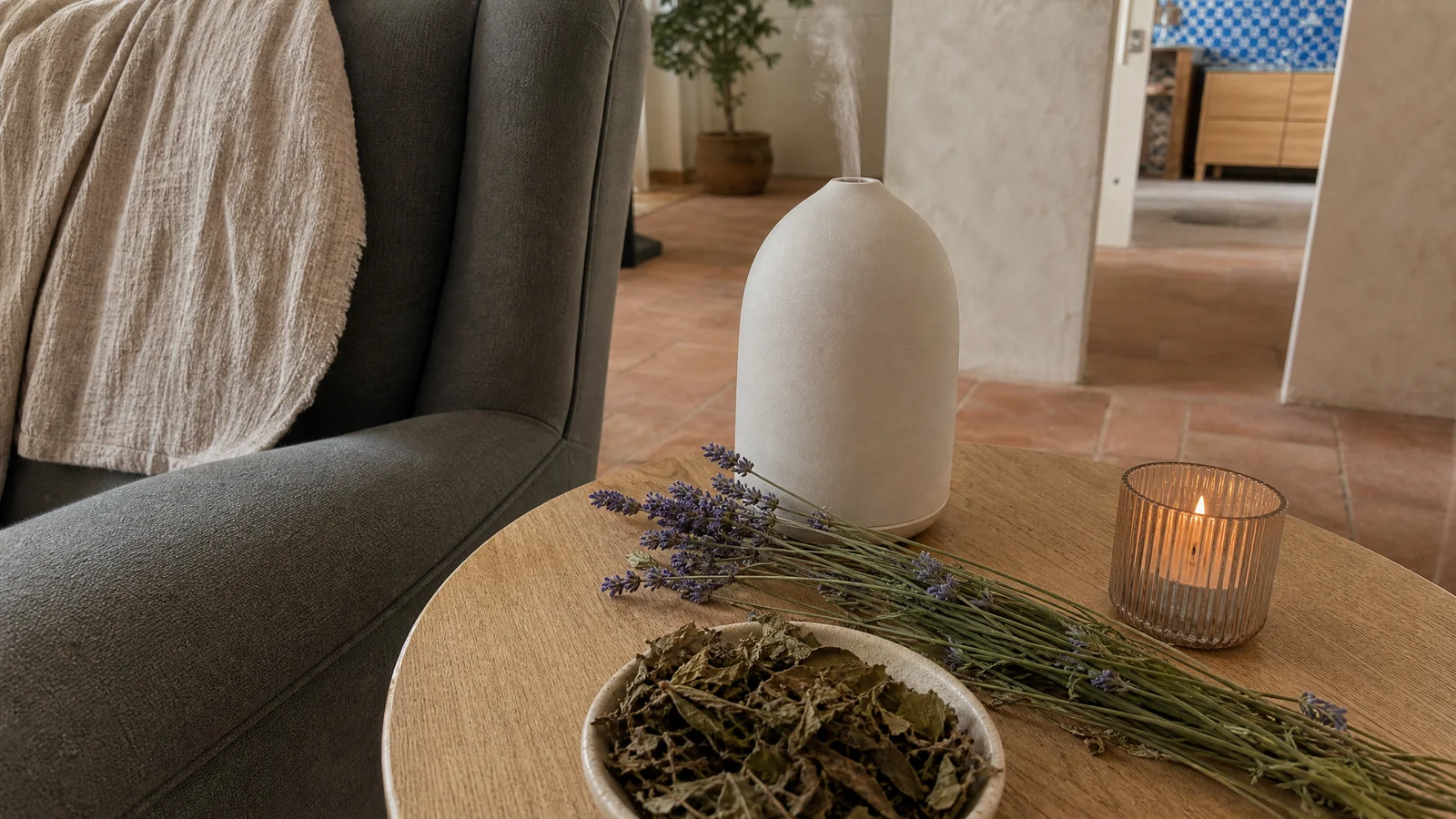
Patchouli and Lavender Body Oil: A Recipe in Drops
Earthy patchouli and soft lavender make an easy evening body oil. See how to count both oils together and the drops for a 30 ml bottle.
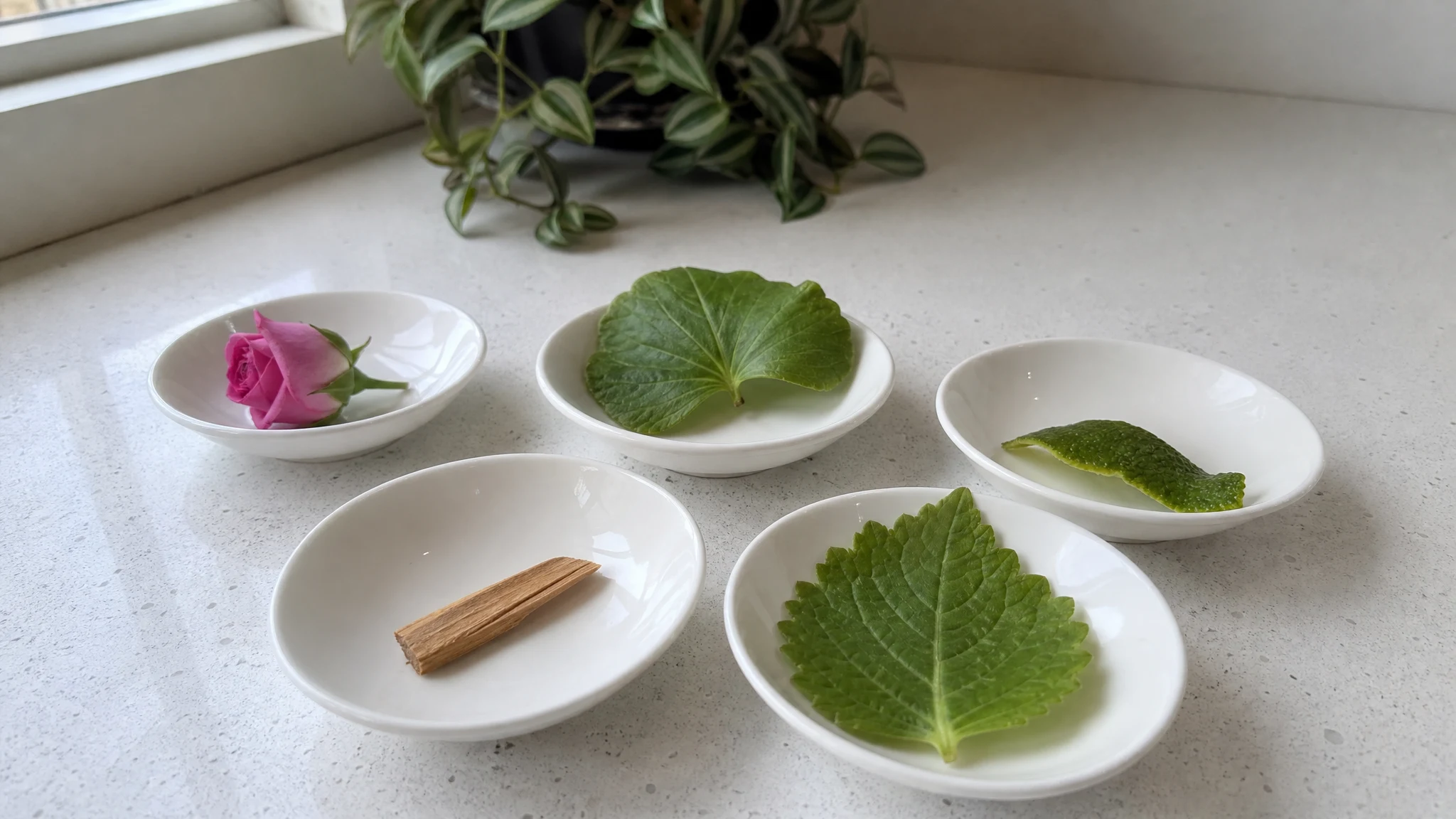
What Blends With Patchouli? Partners and Ratios
Patchouli plays the base note beautifully, but every partner shares one dilution limit. Here is how to pair it, count the drops and check bergamot first.
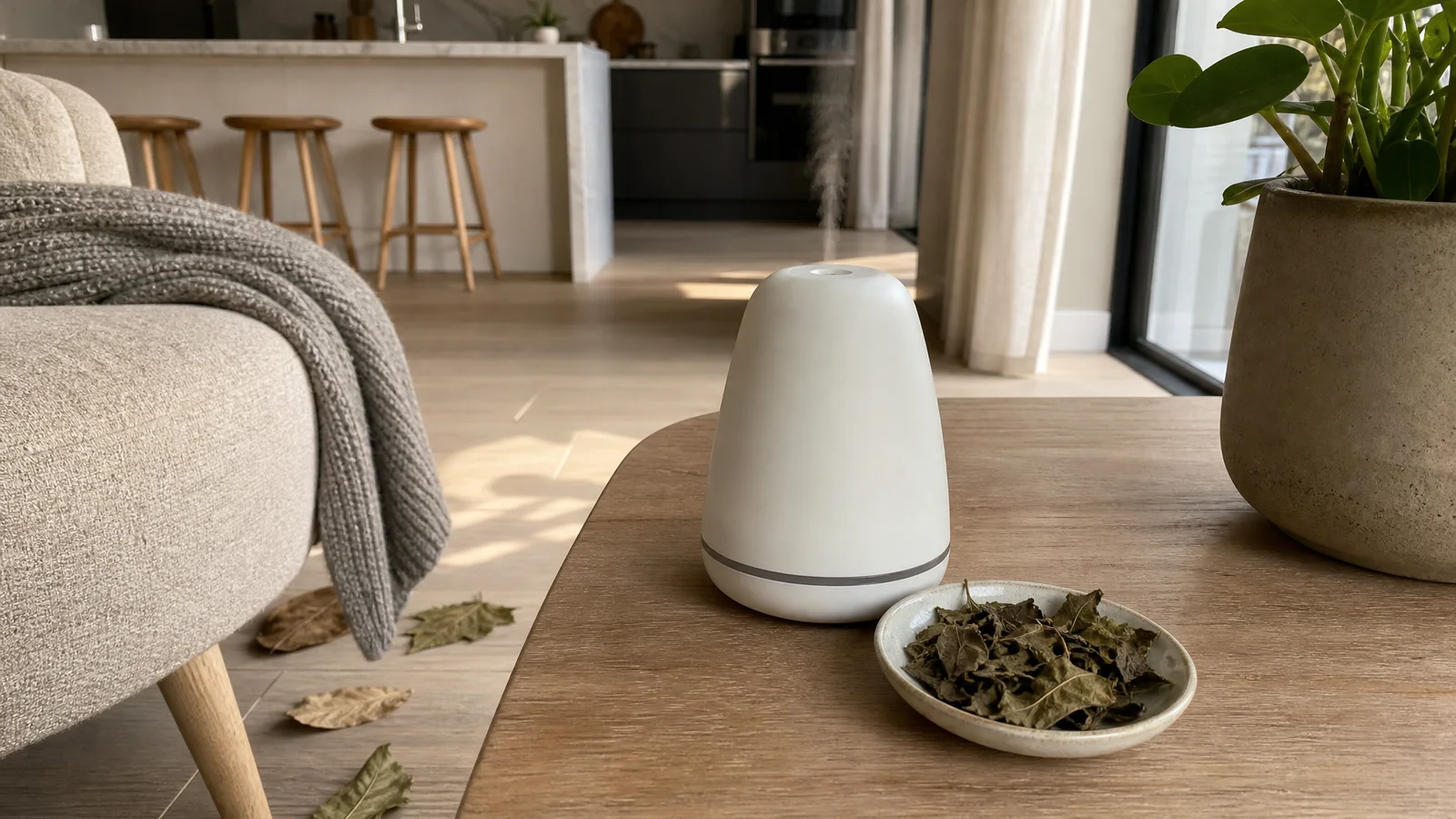
Patchouli Blends for Autumn and Winter Diffusers
A heavy base note feels right when the windows are shut. Three diffuser blends worked out in drops, plus easy habits for cold-weather diffusing.

Why Perfumers Love Patchouli: The Base Note Explained
Deep, earthy and good at anchoring lighter notes: why patchouli is a perfumer's base note, how much a real formula uses, and how to wear it sensibly.
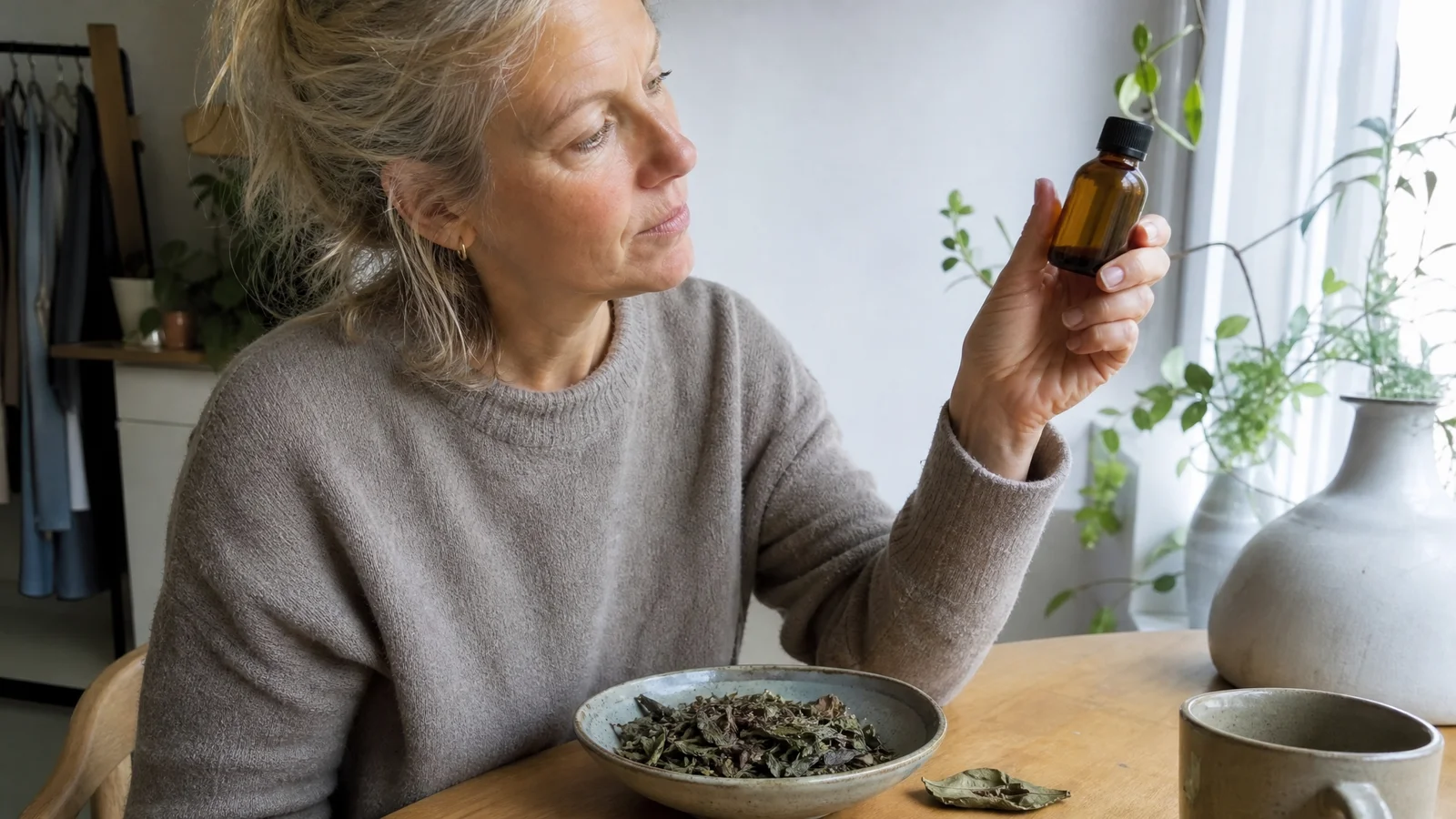
Is Your Patchouli Oil Genuine? Label, Certificate, Lab
Your nose cannot settle everything. Read the label, the certificate and the lab report in turn, and know how much each one can really tell you.
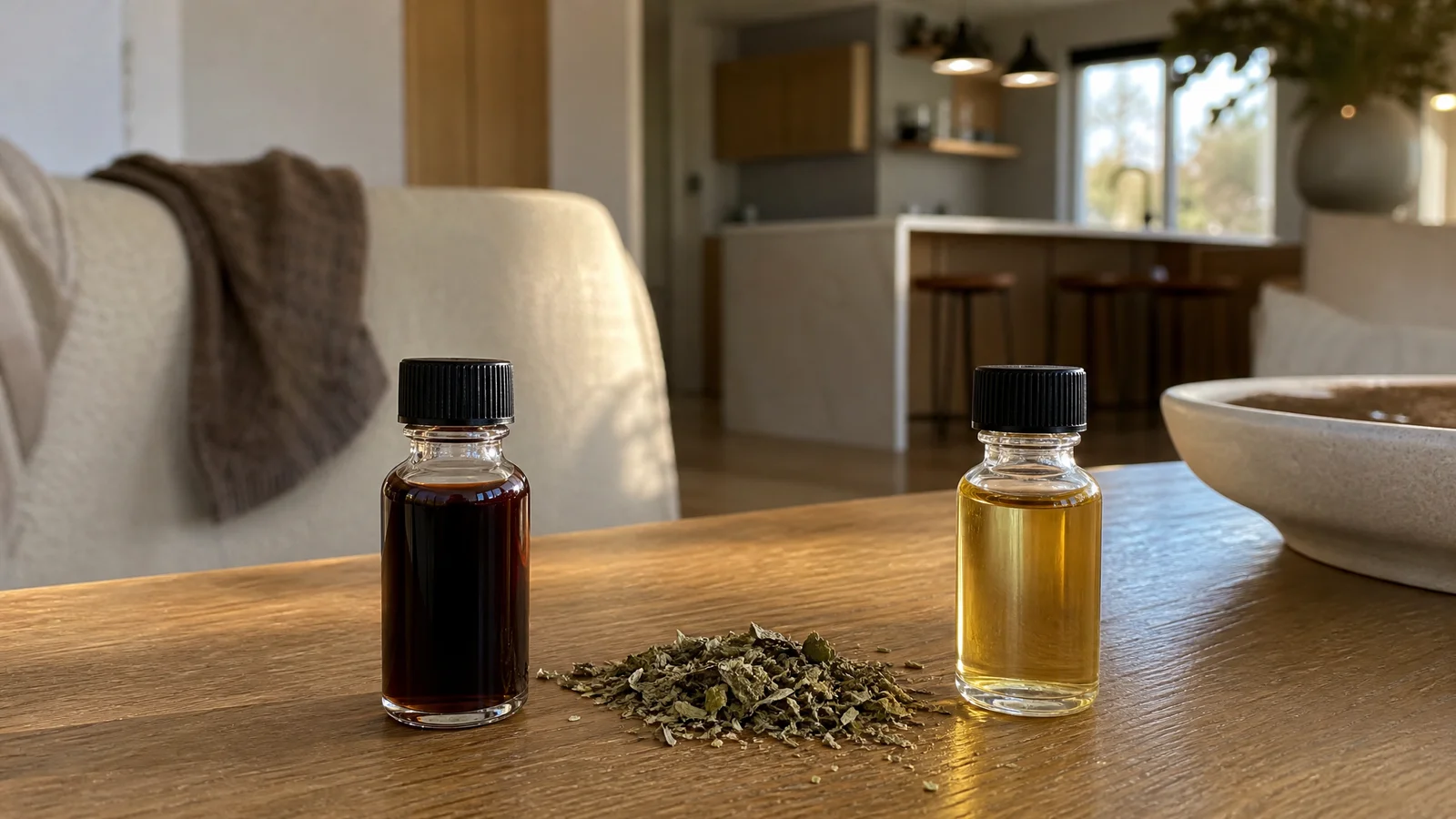
Dark vs Light Patchouli Oil: Does Colour Matter?
Dark and light patchouli oil differ in colour, and iron stills are one reason. What the colour does and does not say about the oil you are buying.
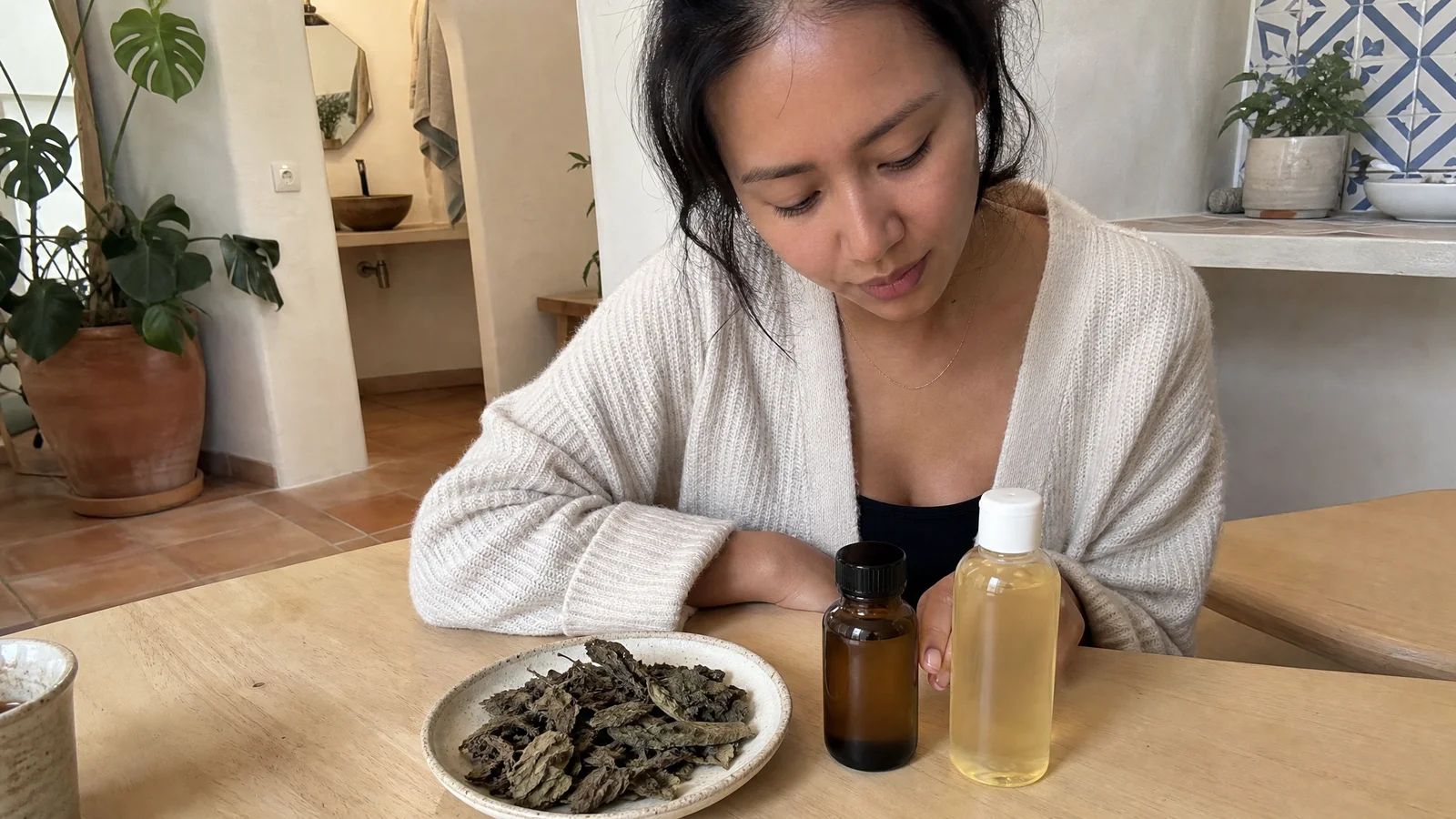
Patchouli Essential Oil vs Fragrance Oil: Read the Label
A bottle that says patchouli may hold leaf oil or a made fragrance. How to tell which one you have and which suits a skin product, candle or diffuser.
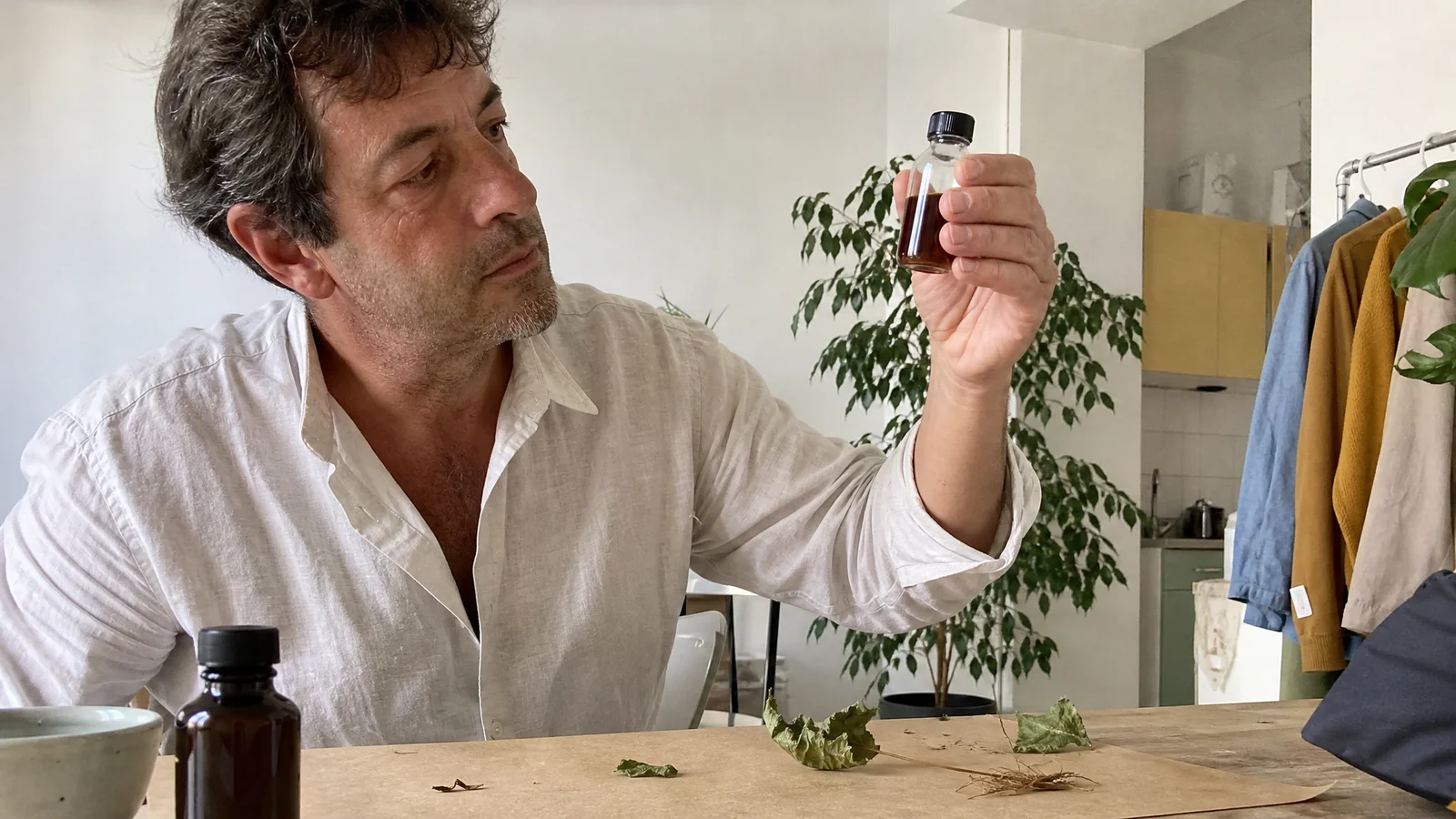
Why Patchouli Oil Costs What It Does: Price Factors
From months in the field to a day at the still: what shapes the price of patchouli oil, and how to compare two listings on equal terms.
How to Read a Patchouli Oil Label, Line by Line
Ingredients, origin, age and organic claims: what each line on a patchouli oil label really tells you, and which ones to ask the seller about.
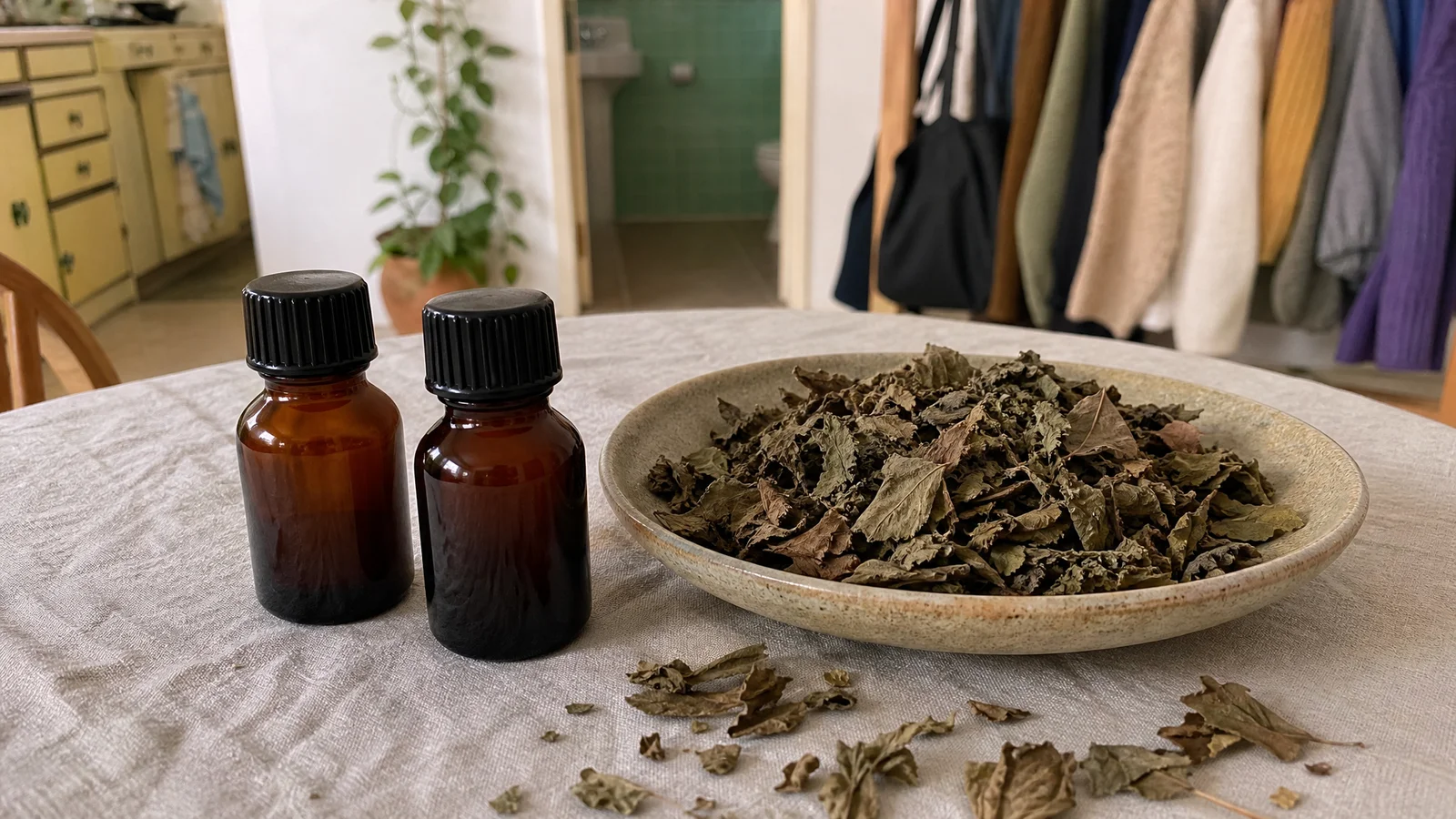
Organic Patchouli Oil: What the Certificate Tells You
An organic certificate tells you how the leaf was grown, not how the oil smells. What it covers, what shapes patchouli, and how to check a seller.
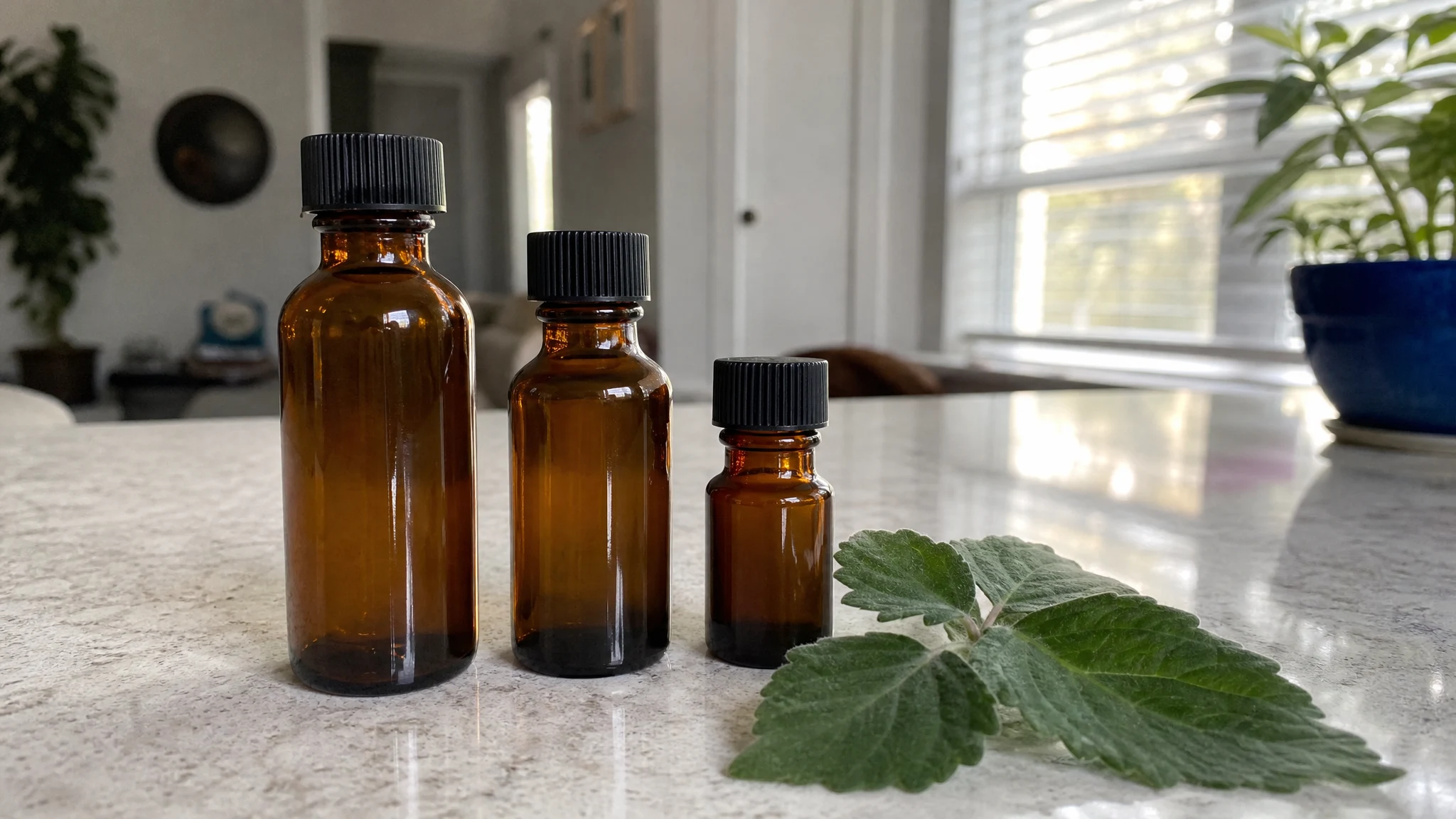
Patchouli Oil Sizes: How Much Do You Really Need?
Patchouli goes a long way. Work out how many drops you will use, see what each size holds, and pick a bottle you will finish and enjoy.
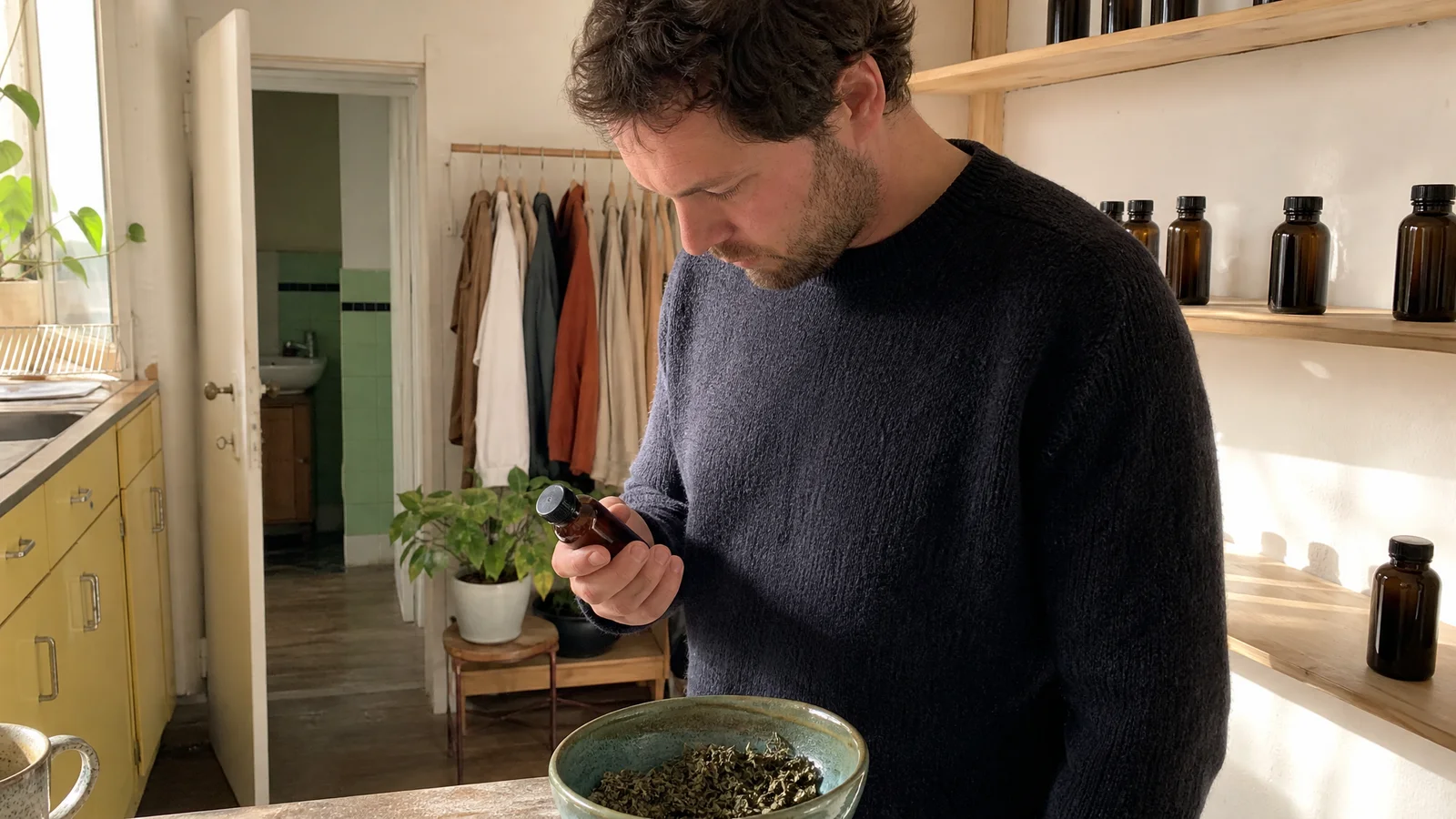
Where to Buy Patchouli Oil: Online, Local and Specialist
Specialist shops, marketplaces, local stores and craft suppliers: what each can show you, and six questions that work wherever you buy patchouli.