Patchouli Oil for Laundry: Scent Without the Stains
Patchouli is the oil that stays. A single drop that lands on a towel can still be there after the wash, which is exactly why people love it on a linen shelf and why it needs a little planning before it goes anywhere near the laundry. The good news is that the best ways to scent clean linens with patchouli are also the simplest.
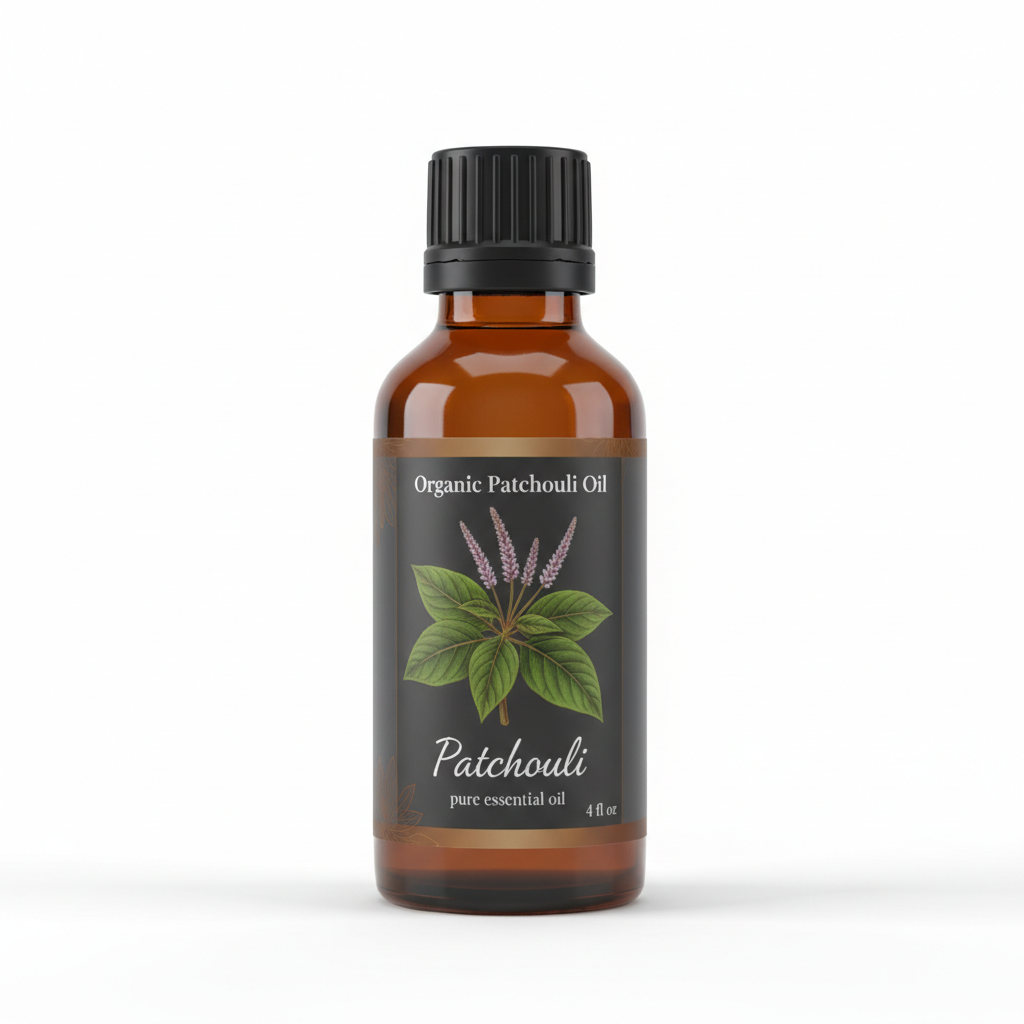
Patchouli Essential Oil
Our own Patchouli Essential Oil, in sizes from 0.5 oz to bulk.
From $20.99
Shop Now →Why we keep neat oil off the cloth
Patchouli oil is dark, reddish-brown and persistent. It will stain a light surface, and it does not wash out of pale cloth easily. A white pillowcase or a cream sweater is the wrong place to find that out. Spread across a whole load, a few drops from a dropper do not become a gentle fragrance; they become dark spots wherever the oil happened to touch.
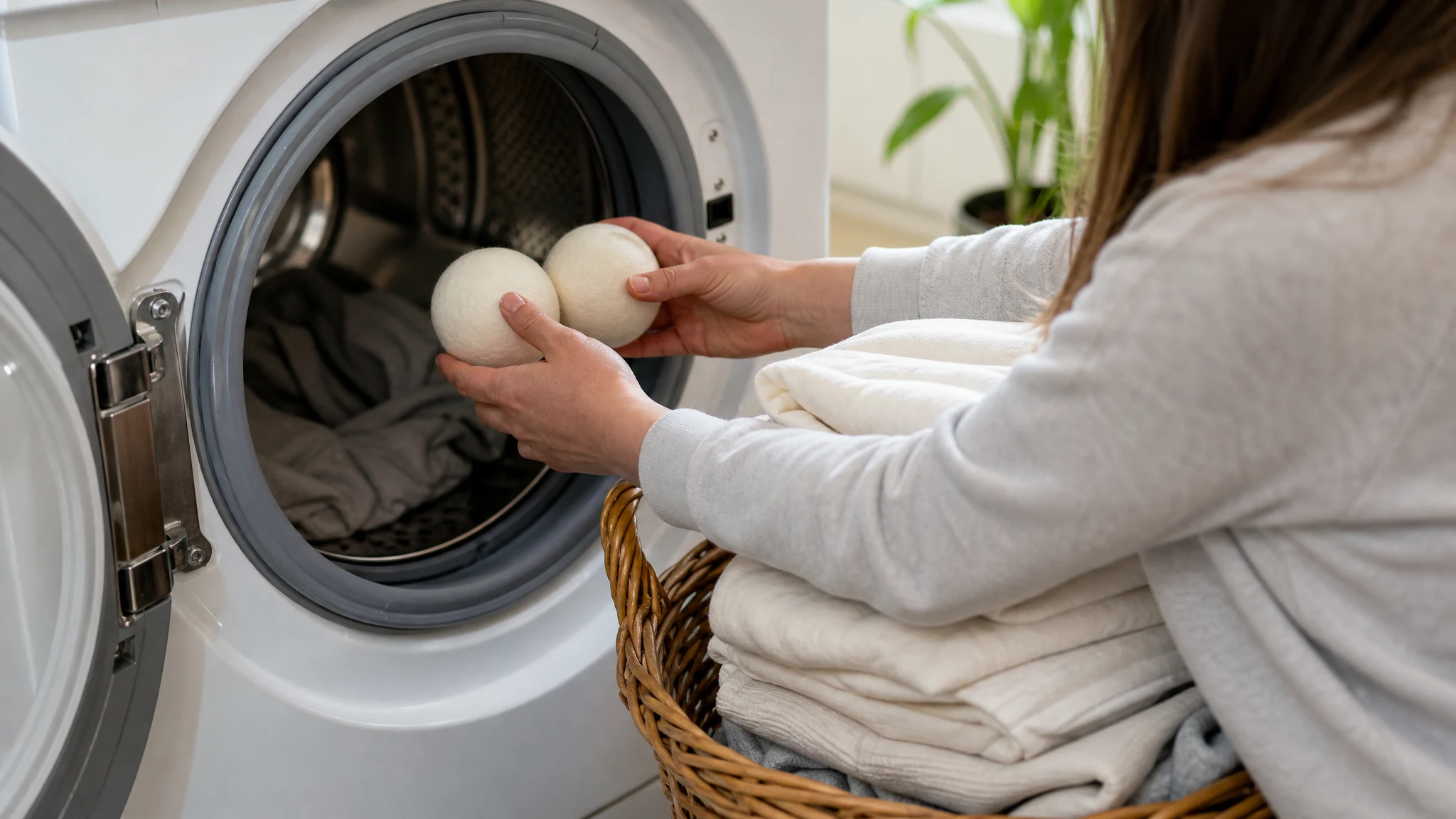
Suppose a drop is about 0.05 ml (the usual rule of thumb is 20 drops to a millilitre, and real droppers vary). Ten drops on one dryer ball is then half a millilitre of concentrated oil sitting at a single point, and that point is where it will meet your shirt.
The dryer deserves a pause
Fire services have a clear message about oil and tumble dryers, and it is worth understanding what it covers. The City of Madison Fire Department traced a house fire to oily rags in a dryer after towels soiled with cooking oils and grease had been dried; it notes that vegetable oils can heat themselves during drying or even after the laundry comes out, and advises the lowest heat, a cool-down at the end of the cycle, and not leaving dried clothes piled up. Northamptonshire Fire and Rescue describes a dryer fire started by a tea towel with cooking oil on it and recommends a hot wash (it suggests 60 degrees) for cloths that may have touched oil, because a cold wash can leave residue behind.
Both of those pages are about cooking oil. Neither mentions essential oils, and patchouli is a different kind of material. What we can say is a matter of judgement rather than a finding: nothing we have read clears oil-treated fabric for a hot drum, and the only thing you give up by skipping the dryer step is a little scent. Your dryer's manual is the authority on what your machine accepts, so we leave patchouli out of the drum.
Four easy ways to get the scent without the stain
Scent the room, not the load
A diffuser running in the laundry room or linen corner perfumes the air, and the fabric picks up a soft trace by proximity. Start with a single drop in the water and open a window afterwards. If you want to go further with room scenting, our incense and room mist article covers the dilution and the precautions.
A closet tin
Put a cotton pad in a small tin or jar with a perforated lid, add three to five drops (that is 0.15 to 0.25 ml by the same rule of thumb) and set it on the shelf beside the stack of linens, not touching them. The lid keeps the oil off the cloth even if the tin tips over. There is more on closet setups in our closet article.
Hang damp laundry near it
Air-dry towels and sheets in a room where a diffuser or closet tin is working. The cloth takes up a hint of the aroma without any oil ever touching it.
Dry cool, scent afterwards
If you use the dryer, put nothing but clean cloth in it, choose low heat with a cool-down, remove the load promptly and fold it beside the tin. That is the Madison fire department's own advice for oil-soiled loads, and it is a sensible habit here too.
If a drop lands where it should not
It happens, especially with a small bottle and a busy morning. These steps are ordinary stain practice rather than anything specific to patchouli, so check the garment's care label first and try a hidden hem.
- Blot, do not rub. Press a dry cloth on the spot to lift the surface oil.
- Work a little liquid dish detergent into the mark the same day, since it is made to break up oil. Skip this on wool or silk unless the label allows it.
- Wash as warmly as the label permits. Northamptonshire's advice for oily cloths is a hot wash, because cold leaves residue.
- Hold the garment to the light and sniff before it goes near heat. If the mark or smell is still there, wash again. Heat can set a stain you could otherwise have removed.
When the scent itself is the problem rather than a mark, our guide to removing patchouli smell takes you through the order to try things in. And if you are wondering how to keep the bottle in good shape between uses, the storage article has what we know.
A word on skin
Our patchouli oil is for aromatic and cosmetic use only, never internal. Fabric scented with undiluted oil touches your skin all day, and the European Food Safety Authority's panel classed the patchouli oil it assessed as an irritant to skin and eyes and a skin and respiratory sensitiser. We would keep it off bedding, baby clothes and anything worn close to the skin, and a physician or dermatologist is the right call if cloth ever seems to bother you. Keep the bottle and tin out of reach of children and pets, as Poison Control advises for all essential oils.
If you like a ritual, make one of the folding. Lay the warm, clean towels beside the tin and notice how a linen shelf starts to smell like somewhere you have taken care of. It is a small pleasure, and it costs you nothing but a minute.
A tin on the shelf, a diffuser in the corner, and clean linens that smell faintly of damp forest floor: that is plenty of patchouli for laundry day.
Patchouli Essential Oil
Patchouli Essential Oil from our own shop, in sizes from 0.5 oz to bulk.
From $20.99
Shop Now →Sources & Further Reading
- City of Madison Fire Department. Spontaneous Combustion Caused East Side Dryer Fire.
- Northamptonshire Fire and Rescue Service. Tumble dryer fire caused by tea towel splattered with cooking oil.
- EFSA FEEDAP Panel, 2025. Safety and efficacy of a feed additive consisting of an essential oil derived from the leaves of Pogostemon cablin Benth. (patchouli oil) for use in all animal species (FEFANA asbl).
- Poison Control. Essential oils: Poisonous when misused.