What Patchouli Smells Like: Earthy, Woody, a Little Sweet
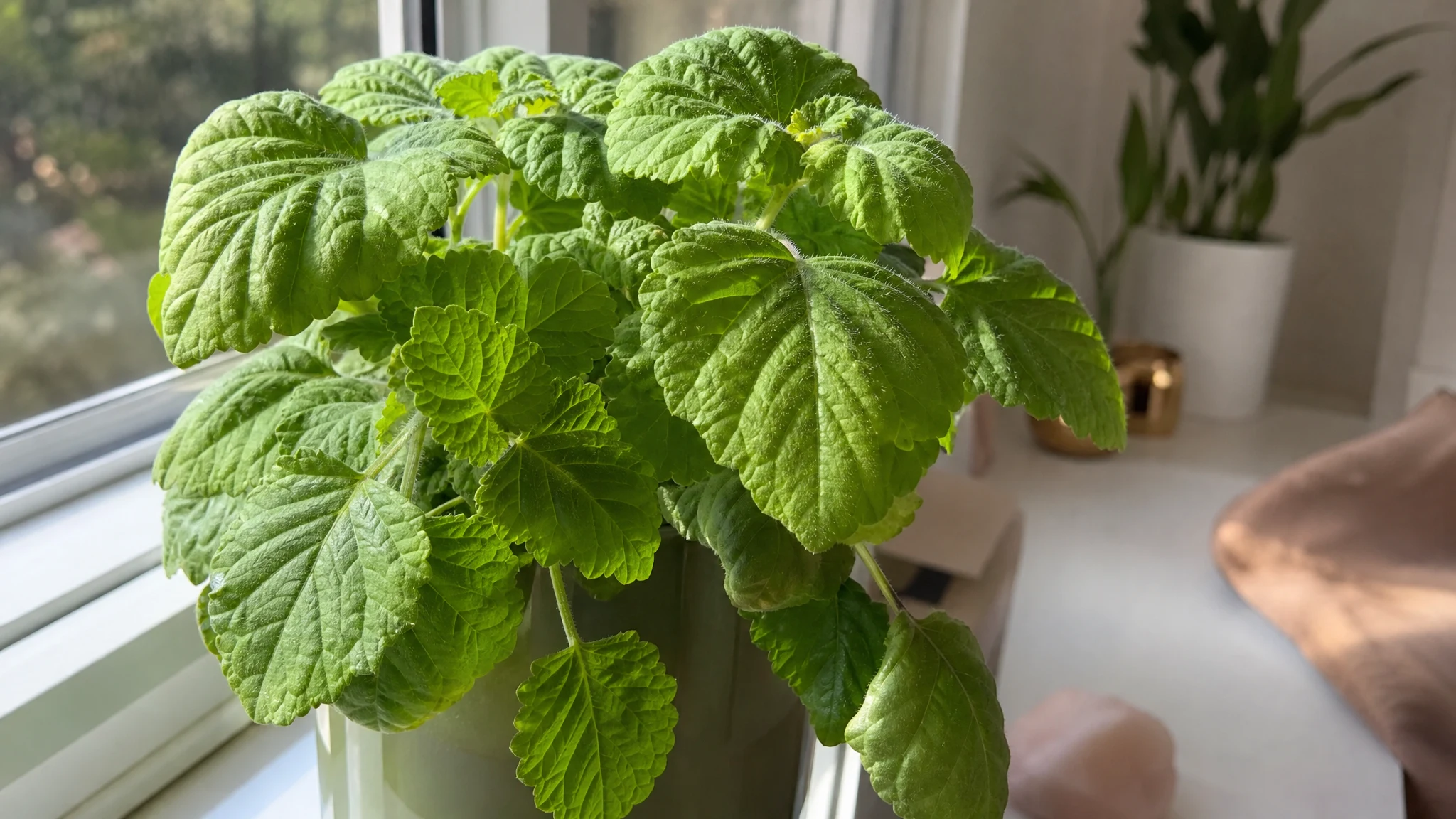
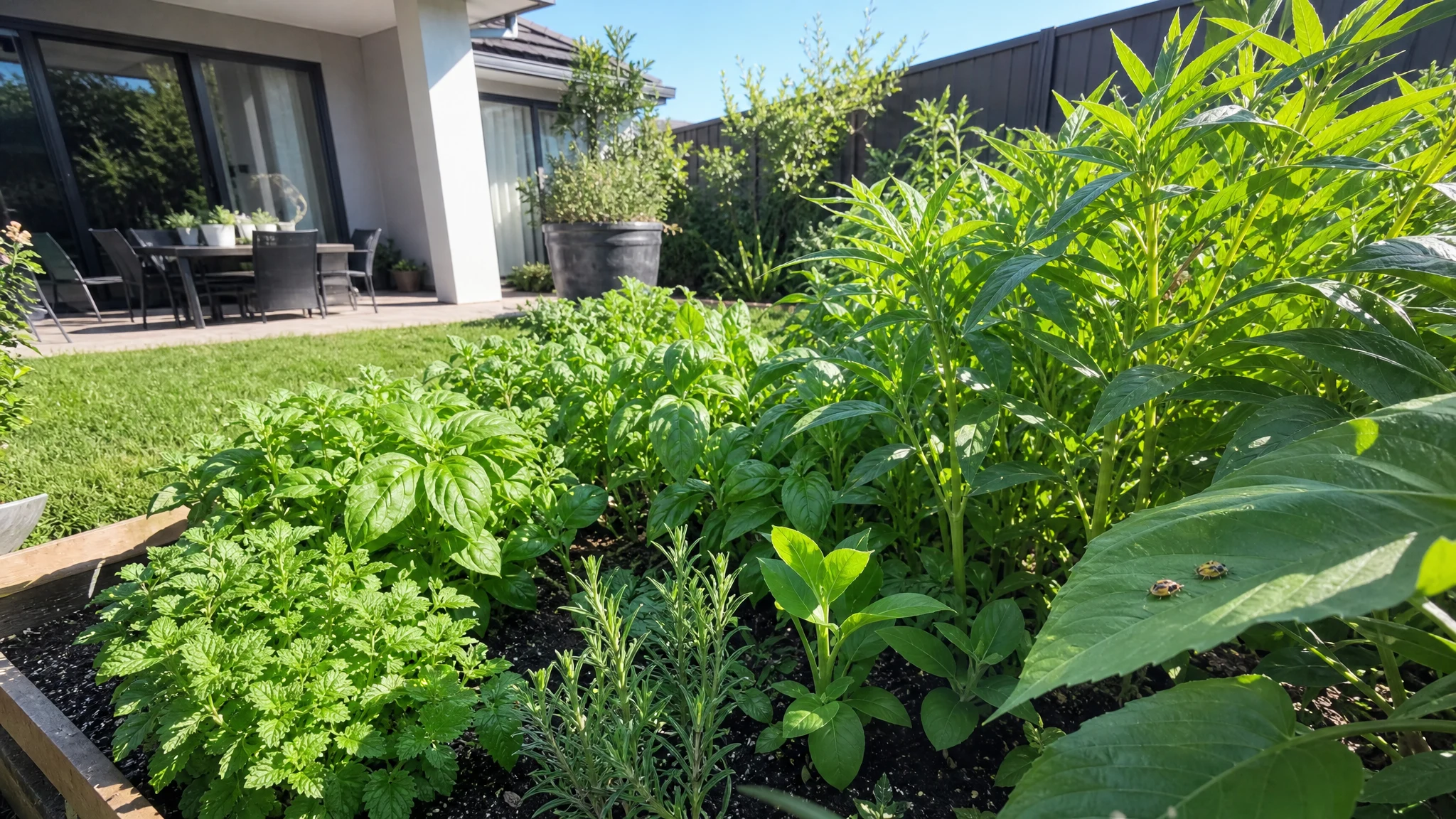
Open a bottle of patchouli and the first thing you meet is the ground: damp earth, shaded leaf litter, the cool smell of a forest floor after rain. Give it a minute and something sweeter comes through, almost winey, with a woody warmth underneath. Few oils change as much from first sniff to last, which is exactly why people describe it so differently.
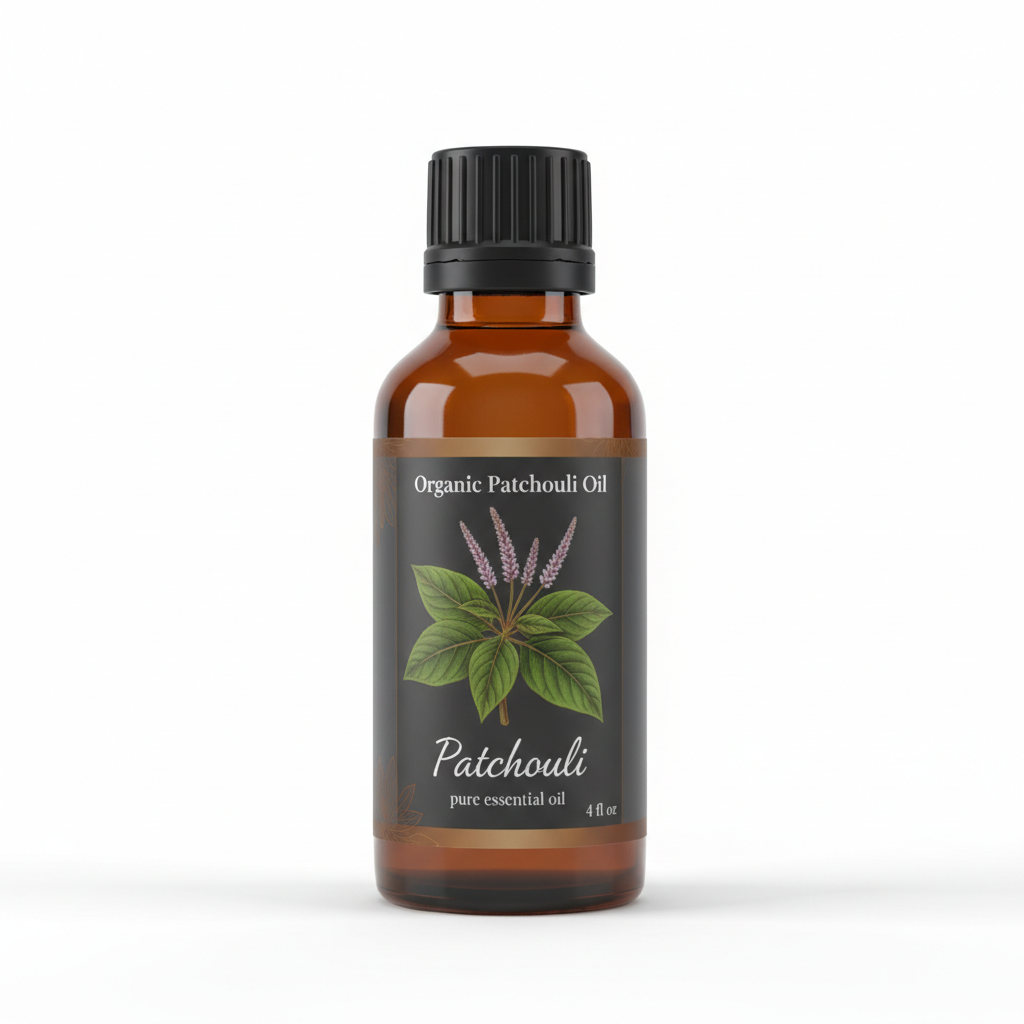
Patchouli Essential Oil
Our own Patchouli Essential Oil, in sizes from 0.5 oz to bulk.
From $20.99
Shop Now →Three scents in one bottle
Ask a reference book, a regulator and a retailer to describe patchouli and the word lists barely overlap. PROSEA, the plant-resources reference, calls Indonesian-distilled oil "tenacious, extremely rich, sweet-herbaceous, aromatic-spicy and especially earthy, woody-balsamic". The European Food Safety Authority, assessing a commercial oil, settled on "leafy and humic". A 2015 review of the plant goes for "wine-like intoxicating aroma". We describe ours as deep, earthy and wine-like, with notes of damp forest floor and aged wood, and a hint of cocoa in the background.
Read those side by side and three families emerge. There is soil and leaf (earthy, humic, forest floor). There is wood and smoke (woody-balsamic, aged wood). And there is a sweetness that sits somewhere between wine and cocoa. The mix shifts from oil to oil, which is why "earthy, woody and a little sweet" is a safe way to describe any of them.
The sweet note takes patience
This is the detail we find most interesting. PROSEA says a good patchouli oil carries an ethereal, wine-like sweet top note, but that this note is often missing from freshly distilled oil, even when the oil is otherwise excellent. The sweet notes are also stubborn: on a perfumer's blotting paper they stay perceptible for months. And after distillation the oil is stored to mature, because, in PROSEA's words, both kinds of patchouli oil "improve on ageing, losing the sharp-green or wet-earthy and minty notes".
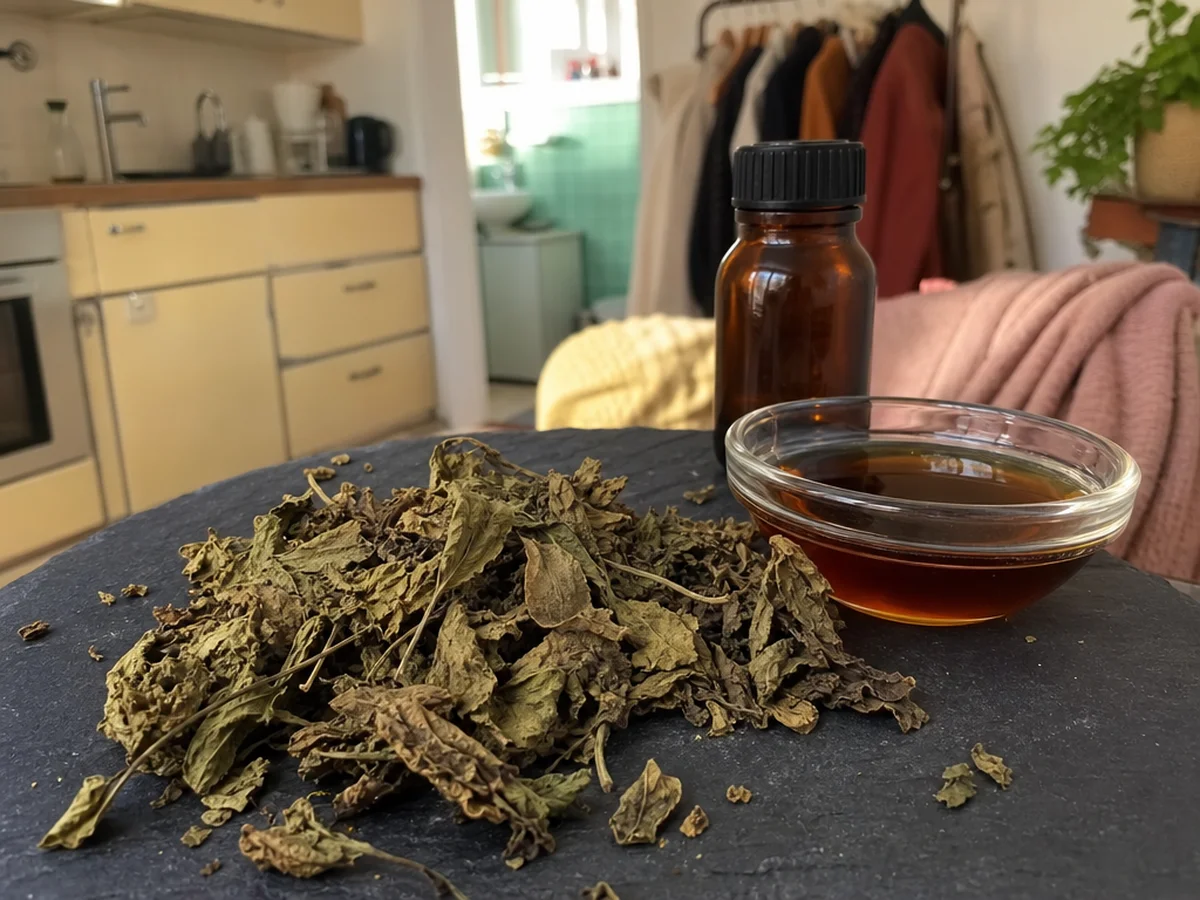
That matches how we think of our own oil. Patchouli mellows and rounds out with time, and we describe it as growing noticeably smoother after about a year in the bottle. A bottle that smells a little rough and green on day one is not a disappointment, just an oil that has not finished settling.
Why two bottles can smell so different
Where and how an oil is made leaves a mark. According to PROSEA, Indonesian-distilled oil is dark orange to brownish with strong woody-balsamic character, while oil distilled in Europe or the United States is pale orange or amber, with a fruitier, more wine-like top note and less wood. Our dark versus light patchouli comparison looks at that colour question in more detail.
The plant itself plays a part too. The 2015 review describes two chemical types of Pogostemon cablin, one built around patchouli alcohol and one around a compound called pogostone, which it credits with an intense aromatic odour. Different leaves in, different oil out. Even the curing of the leaves counts: PROSEA notes that over-fermented leaf gives the oil a mouldy note, so skilled growers judge the curing stage by smell. If you enjoy the chemistry behind the scent, our chemistry article is the next stop.
How to get to know a bottle
Our suggestion is to use a paper blotter. Dip the tip, hold it a few centimetres from your nose rather than breathing in straight from the bottle, and come back to it after one minute, after fifteen minutes and again the next morning. Patchouli is a base note, so the later stages are the true picture. The certificate we publish for one batch lists "Woody, Earthy, Smoky" as the smell standard, a fair summary of where a blotter ends up.
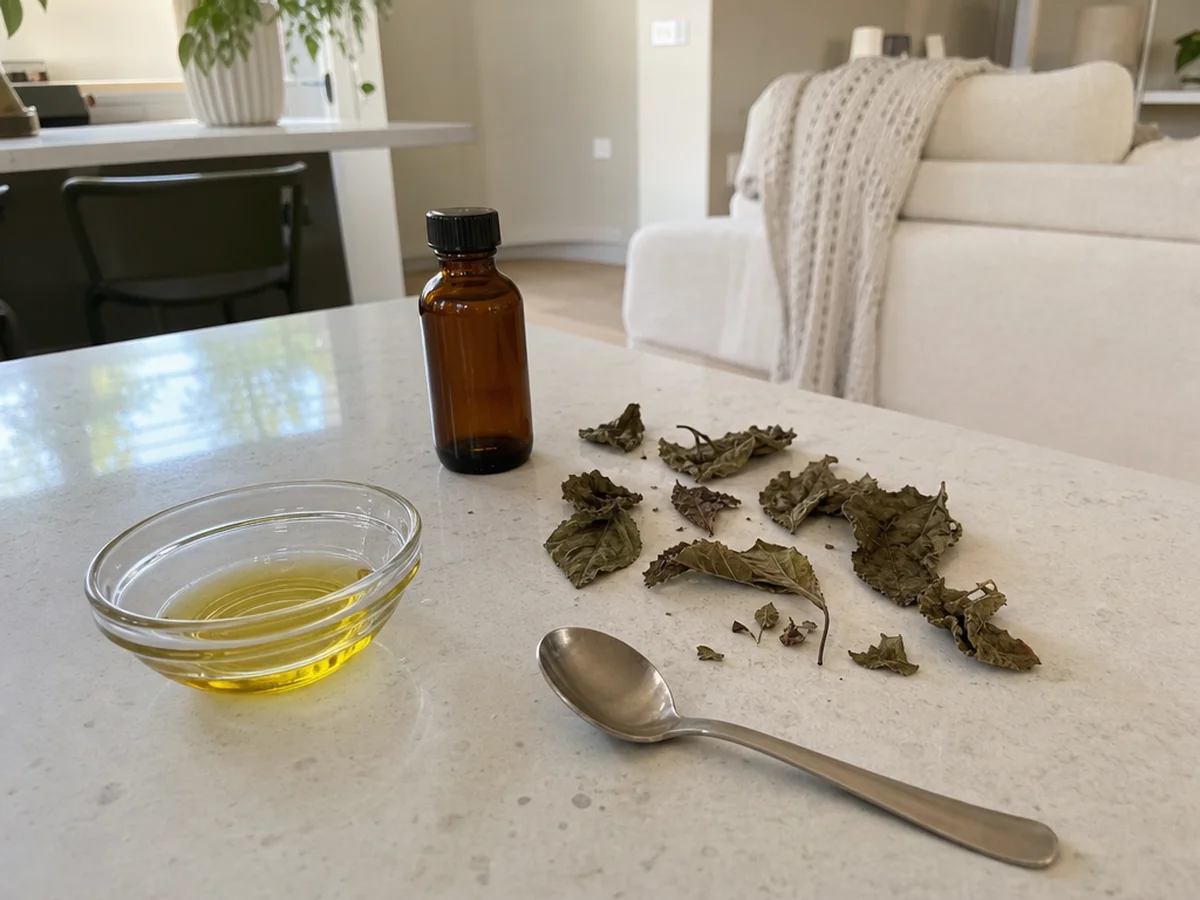
Then try it the way you will actually meet it, diluted. Our guidance for skin is 0.5% to 2% in a carrier oil with a patch test first, and a carrier changes the way the scent opens up, as our carrier oil guide explains. Patchouli is also generous with its strength. PROSEA notes that perfumers mostly use it in very small doses, and we would say the same to anyone new to it: one drop too many lingers on skin and cloth for days. If that has already happened, here is how to clear it.
Words people reach for
When people smell patchouli for the first time, the descriptions are wonderfully varied. Some say cellar, some say cocoa, some say old books or a walk after rain. None of them are wrong. A scent this layered gives every nose a different doorway, and the fun is in comparing notes with a friend after you have both smelled the same blotter.
If you want to practise, write down three words after the first minute and three more the next morning. You'll notice the second list is usually warmer and sweeter than the first, because the quick, rough notes have gone and the deeper ones are what remain.
Where you smell it matters too. A bottle held at the neck of the jar is one thing, a blotter in a quiet room is another, and a diluted drop on a warm wrist is a third. Try all three if you can, and let the scent change before you decide how you feel about it.
What it pairs with
Patchouli's depth makes it a natural anchor for brighter or sweeter oils. We recommend it with rose, geranium, bergamot, sandalwood and cedarwood, all of which you will find at a good aromatherapy or craft supply shop. For how the oil behaves once it is part of a finished fragrance, see our perfumery article.
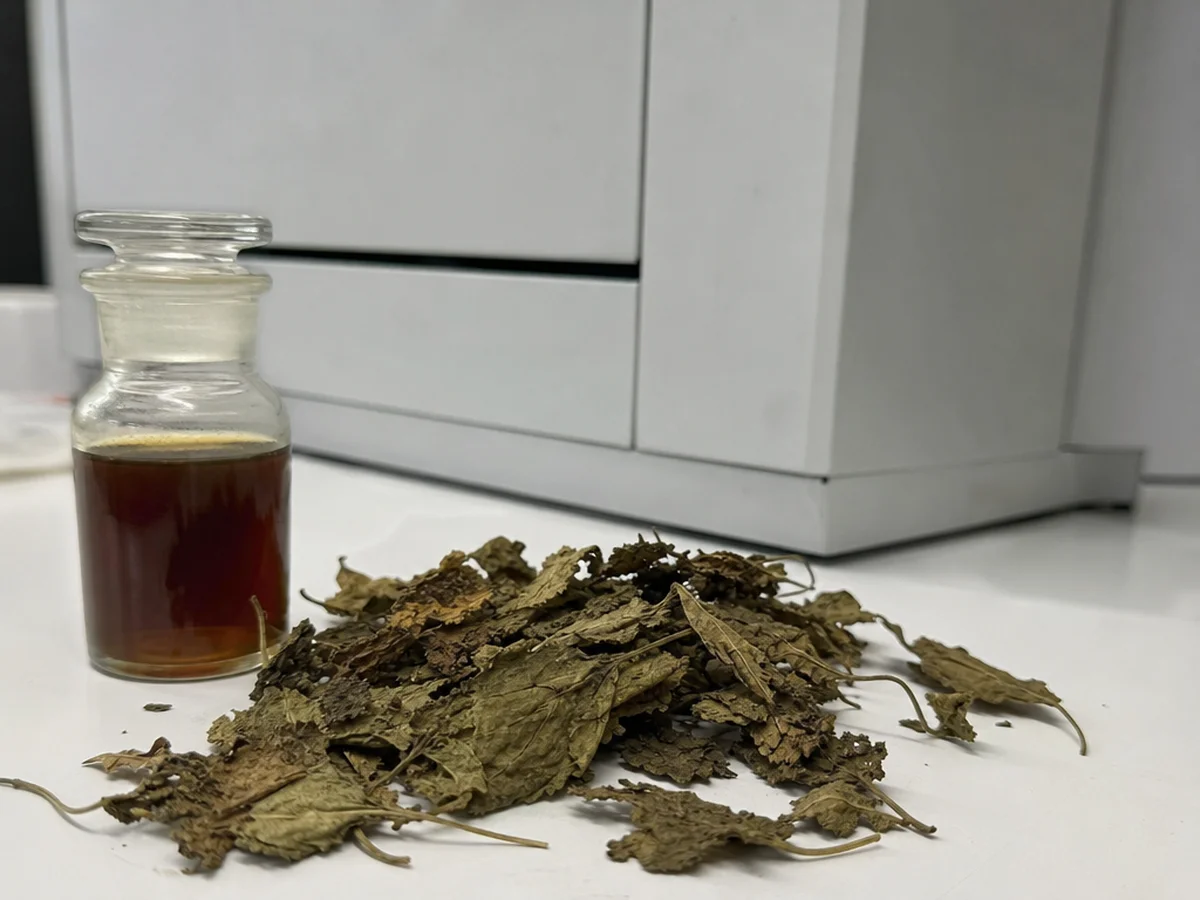
Patchouli rewards a slow nose. Smell it fresh, smell it again tomorrow, and the word you land on will be yours, not a list copied from a book. If you want to try the oil, our shop lists the sizes we sell, bulk sizes have their own page, and our guide to buying patchouli essential oil in bulk explains how bulk buying works.
Patchouli Essential Oil
Patchouli Essential Oil from our own shop, in sizes from 0.5 oz to bulk.
From $20.99
Shop Now →Sources & Further Reading
- Pogostemon (PROSEA) - Pl@ntUse. plantuse.plantnet.org/en/Pogostemon_(PROSEA)
- A Comprehensive Review on the Phytochemical Constituents and Pharmacological Activities of Pogostemon cablin Benth.: An Aromatic Medicinal Plant of Industrial Importance. Molecules, 2015. pmc.ncbi.nlm.nih.gov/articles/PMC6272783
- Safety and efficacy of a feed additive consisting of an essential oil derived from the leaves of Pogostemon cablin Benth. (patchouli oil) for use in all animal species (FEFANA asbl). EFSA Journal, 2025. pmc.ncbi.nlm.nih.gov/articles/PMC12004087