Does Patchouli Oil Stain? Fabric, Wood and Counters
One drop of patchouli on a white shirt is not a disaster, but it is also not nothing. This is an oil that perfumers prize precisely because it clings, and that same quality means a splash on cloth or a bare worktop deserves a plan. The good news is that a patchouli mark behaves like any other oil mark, so the methods that work on olive oil or salad dressing are the ones to reach for.
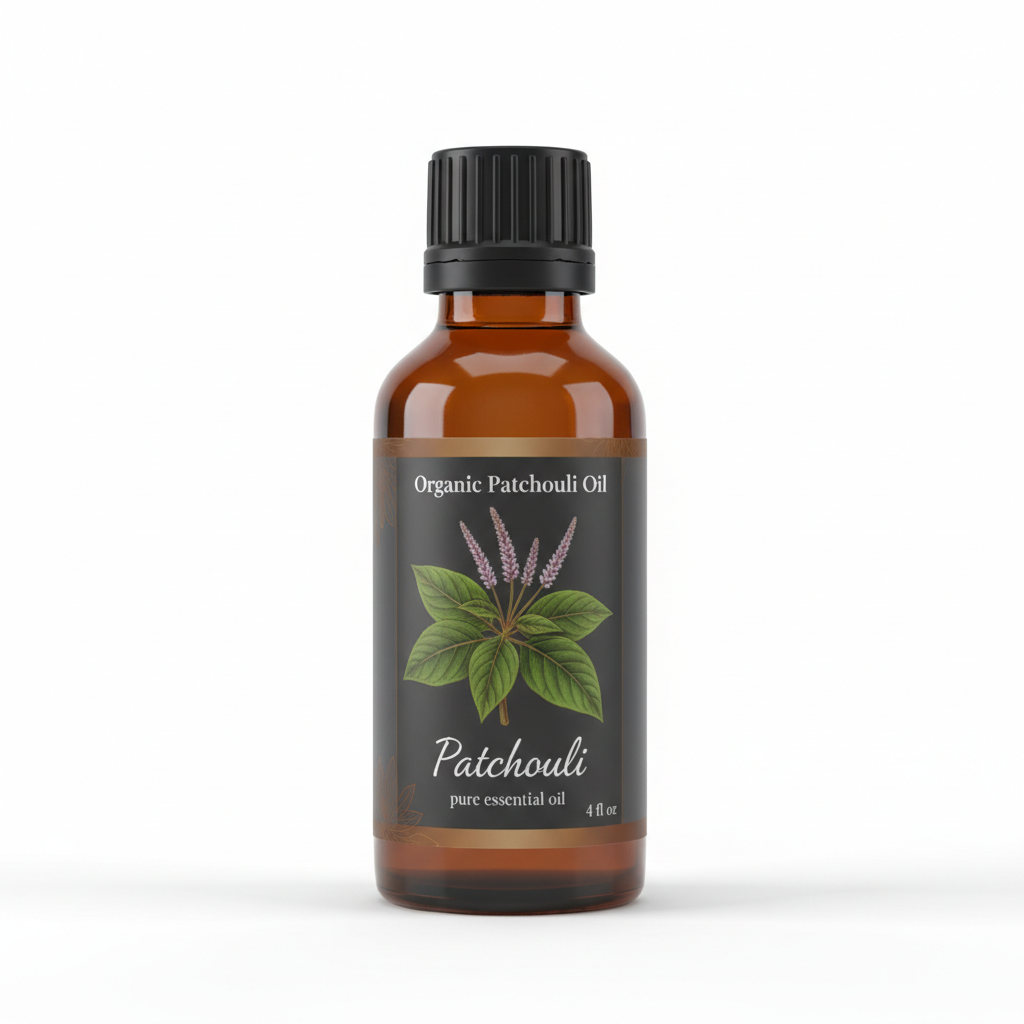
Patchouli Essential Oil
Our own Patchouli Essential Oil, in sizes from 0.5 oz to bulk.
From $20.99
Shop Now →Why it marks
Essential oils are oils. They do not dissolve in water, they soak into porous material, and they leave a grease-type spot that looks darker than the cloth around it. Our oil is naturally dark reddish brown, and we say plainly that it will stain a light surface and does not wash out of pale cloth easily. The practical reading is simple: the paler the fabric or surface, the more care you want, and the faster you move, the better.
The first five minutes
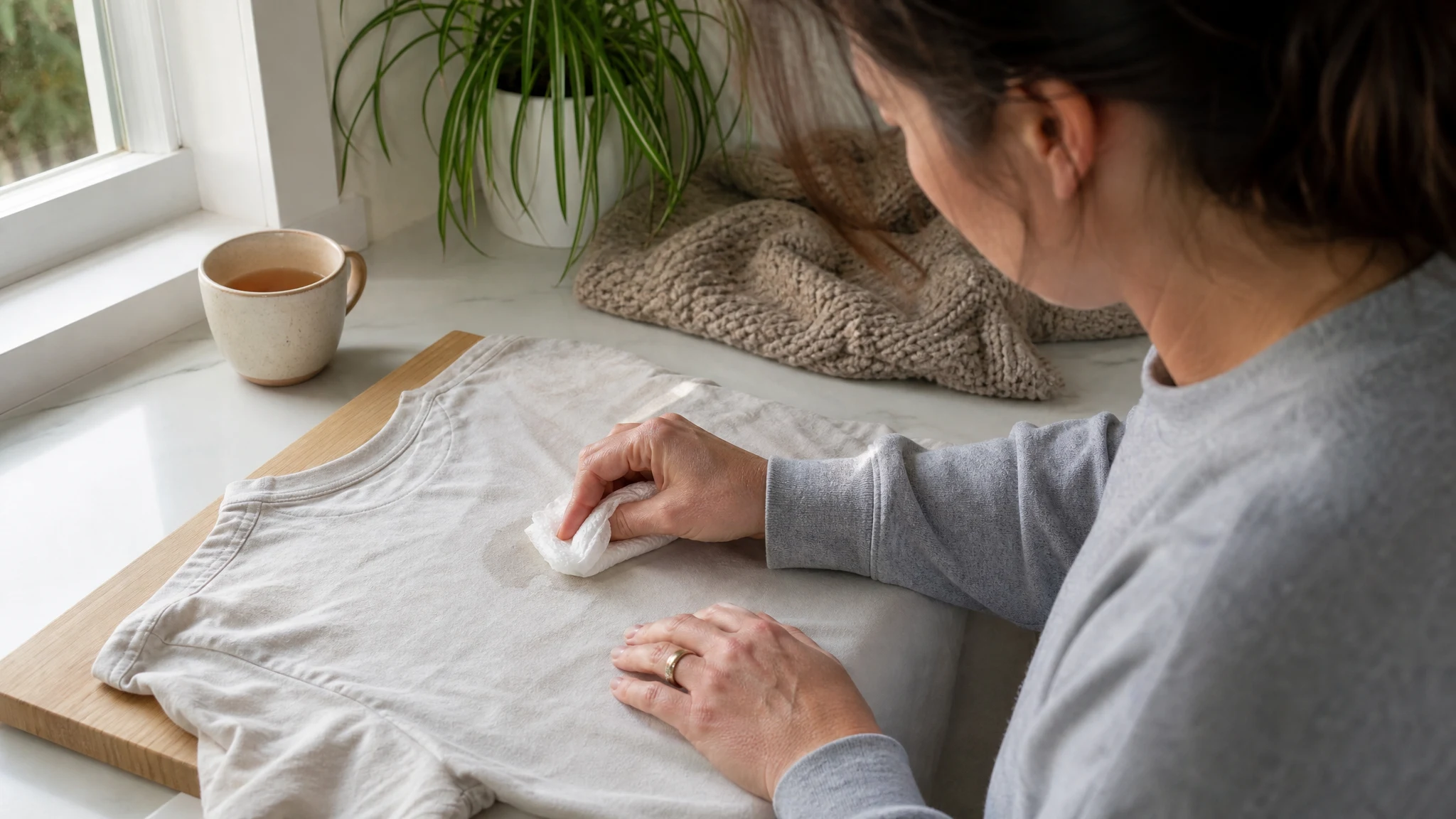
- Blot, do not rub. Press a clean paper towel or cloth onto the spot and lift. Rubbing pushes the oil deeper into the fibres and spreads the mark outward.
- Keep heat away. New Mexico State University Extension puts it in three words: heat sets stains. That means no dryer and no iron until the mark is gone.
- Check the care label before you reach for anything stronger than detergent.
Washable cotton, linen and synthetics
Extension guidance from two universities agrees closely. Mississippi State University Extension suggests pretreating a light grease stain with liquid laundry detergent or a spray stain remover, then washing in the hottest water the fabric can take. For a heavier stain it suggests laying the cloth stained side down on clean paper towels and working detergent into the back, so the oil is pushed out into the towel and not through the fabric, replacing the towels as they pick up oil. New Mexico State adds that liquid dish detergent, shampoo or laundry detergent can be worked in and left for about 30 minutes before rinsing, and that if the wash does not remove everything, you let the garment dry and then sponge with a grease solvent in a well-ventilated room.
Notice the order. You are not trying to scent-mask or bleach the mark; you are trying to lift oil with a surfactant, then rinse it. Check the result while the cloth is still damp or after air drying. Only put it through a dryer once the mark has gone.
Silk, wool, leather and dry-clean-only
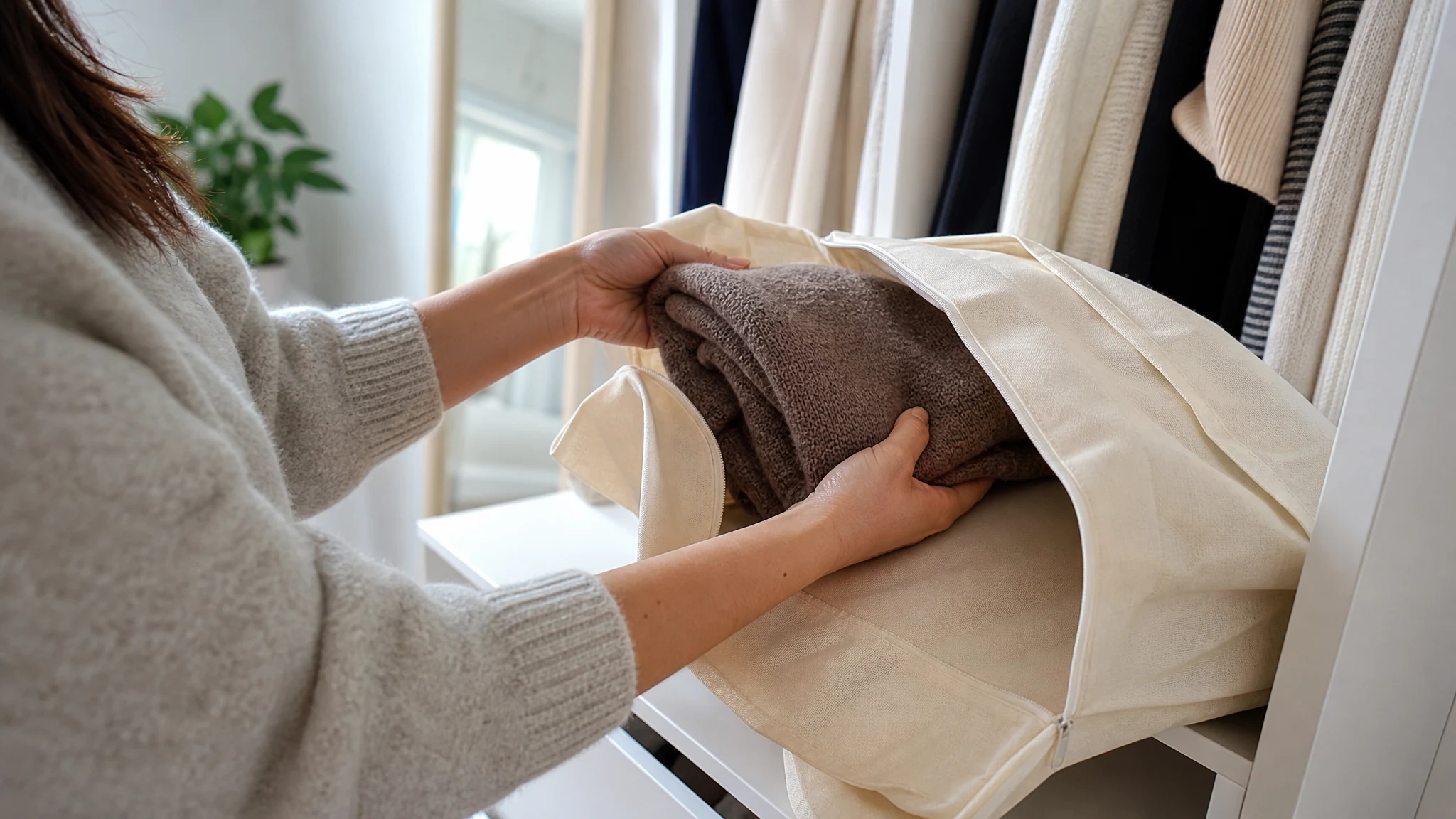
This is the point to stop and ask a professional. Blot as much as you can, leave the garment alone, and take it to a dry cleaner, telling them what the stain is and how long it has been there. Home detergent and hot water can damage these materials, and leather in particular needs someone who handles it every day. Wool tolerates only warm water according to the New Mexico State guide, which is another reason not to improvise.
Counters, wood and stone
Sealed hard surfaces such as laminate, glazed tile or finished stone usually just need a wipe with warm water and a few drops of dish detergent. Bare wood, unsealed stone, grout and plain concrete are porous, so an oil spill there behaves like oil on a thick cloth. Blot first, press an absorbent powder such as baking soda or cornflour onto the spot for a while, brush it away and repeat. That approach is reasoning from how oil behaves, not a tested method, so try it first in an unseen corner. For antique furniture or a valuable stone surface, a conservator or a stone care specialist will know the right material.
When it is a smell, not a mark
Sometimes the oil has been removed and the scent hangs on. That is a separate problem, and we have written a guide on getting patchouli smell out of clothes, skin and rooms. If the root cause was scenting laundry, the plan in our patchouli laundry article keeps neat oil off the cloth altogether.
Preventing the next one
The cheapest fix is a small habit: open the bottle over a tray, wipe the neck after each use, and cap it before you pour anything else. If you are scenting a candle or soap project, put down a sacrificial cloth you do not mind marking. And when you are measuring into a carrier oil, remember that a drop is a tiny amount of neat oil, which is why our dilution guide counts drops against percentages before anything touches skin or cloth. We sell patchouli oil as a concentrated aroma ingredient, so an everyday stain kit of dish detergent, paper towels and an absorbent powder from the supermarket is worth having near the bench.
A mark on cloth is annoying, but it is not a verdict. Move quickly, stay gentle, and let a cleaner handle the delicate fabrics.
Patchouli Essential Oil
Patchouli Essential Oil from our own shop, in sizes from 0.5 oz to bulk.
From $20.99
Shop Now →Sources & Further Reading
- Removing Clothing Stains. New Mexico State University Extension.
- How to Remove Pesky Stains. Mississippi State University Extension Service.