Patchouli Oil and Pets: Why Cats and Birds Come First
Patchouli oil and pets is one of those topics where the confident answers online tend to outrun the evidence. Here is what the veterinary sources actually say, what we recommend in a household with animals, and one piece of arithmetic that puts a single drop in perspective.
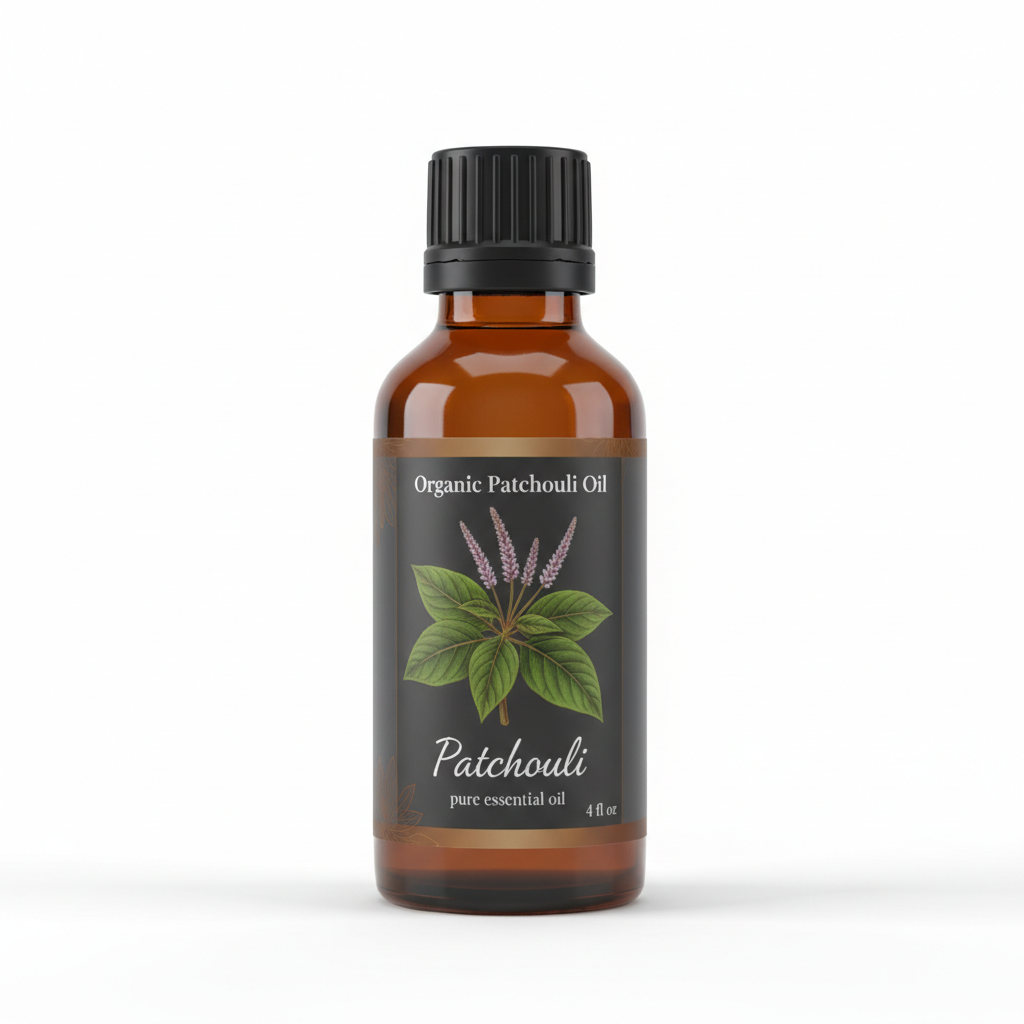
Patchouli Essential Oil
Our own Patchouli Essential Oil, in sizes from 0.5 oz to bulk.
From $20.99
Shop Now →What animal poison control says
Pet Poison Helpline, a 24-hour animal poison center, writes that essential oil toxicosis can affect all species, but cats and birds are at the greatest risk. It adds that toxicity varies widely with the specific oil, the route, the dose and the concentration, and that swallowing is generally the highest-risk route, then skin, then breathing. Patchouli is not among the oils it names in its list of common essential oils that can cause poisoning, and that tells you the question has not been answered either way. A missing name is not a clearance. It is a reason to take the same practical care you would with any concentrated oil.
Why cats get extra care
When the European Food Safety Authority assessed a patchouli oil as a feed additive in 2025, it concluded the oil was safe up to 7.5 mg per kilogram of complete feed for dogs and cats, among other species. For cats it raised the margin of exposure to 500 because of reduced capacity for glucuronidation, a way the body processes and clears many compounds. In plain terms, regulators give cats a larger safety margin than most animals, and that fits the general advice that cats are not small dogs.
That figure is a limit for a feed additive eaten daily over time, not a toxic dose and not a diffuser limit. It is still useful as a yardstick. Suppose a cat eats 60 grams of dry food a day (an assumption for illustration). At 7.5 mg per kilogram of feed, that is 0.45 mg of oil a day. A drop of our oil weighs roughly 48 mg, using about 20 drops per milliliter and the 0.950 to 0.975 density range stated on our Certificate of Analysis. So a single drop is on the order of a hundred times that daily amount. The comparison is not a poisoning threshold, because feed limits carry built-in margins, but it shows why a spilled bottle or a licked paw deserves more thought than the diffuser debate.
Skin, coats and grooming
Animals groom themselves, so oil on a coat quickly becomes oil swallowed. We do not recommend applying patchouli oil to a pet, diluted or not, and our dilution chart is written for human skin only. If an animal does get oil on its fur, Pet Poison Helpline's published decontamination advice is to bathe it with liquid dishwashing detergent for skin exposure, dilute early with water or food if the oil was swallowed, move the animal to fresh air for inhaled exposure, and avoid inducing vomiting because of the aspiration risk. Treat that as background and follow whatever the helpline or your veterinarian tells you for your animal.
Diffusing around animals
We found no patchouli-specific diffusion study for pets, so what follows is a position, not a measurement. If you diffuse any essential oil, do it in a room the animal can leave, with the door open, and never with a bird or cat shut in. Skip it altogether if an animal has trouble breathing. Birds sit next to cats at the top of the helpline's risk list, which is why we single them out.
If your animal gets into the bottle
Call before you do anything else. Pet Poison Helpline lists a medical-assistance line at (855) 764-7661 and is staffed around the clock, and your own veterinarian can advise too. Have the bottle in hand to read out the ingredient line, how much is missing and your animal's weight. Ask which signs mean a clinic visit and tell the clinic ahead of time that it is an essential oil. Per the helpline, signs usually show up within six to eight hours with most oils and can include drooling, vomiting and lethargy.
Setting up the shelf
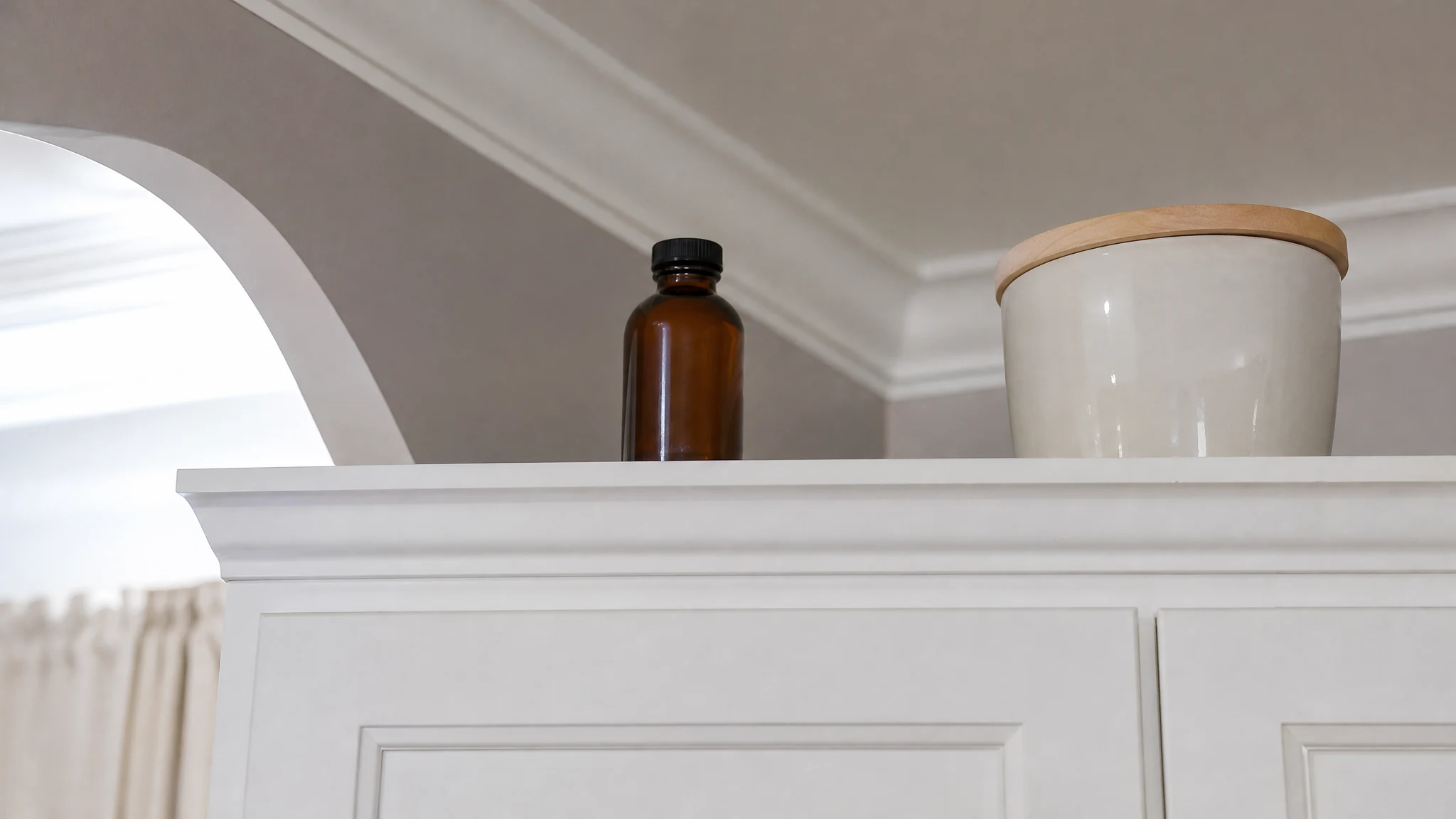
A few small habits make a household with animals easier. Keep the bottle in a closed cupboard or drawer, not on a windowsill or a low table. Use a small tray so drips cannot reach the floor, and wash your hands before you pet anyone after handling the oil. If you use a cotton pad for scent, dispose of it in a closed bin instead of leaving it on a saucer. Air the room afterwards. None of this takes long, and it turns good intentions into routine.
What we would do at home
Our oil is sold for external, aromatic and cosmetic use, and we keep it away from children and pets. That means a closed bottle on a high shelf or in a cupboard, a wiped neck, and a tray under the bottle when it is open so drips do not reach the floor. Cleaning a spill from a surface an animal can lick is worth doing right away, and our patchouli smell removal guide explains how oil comes off cloth and hard surfaces. The same storage-first thinking applies to young children, which we cover in keeping patchouli oil away from children.
The simple rule is that the oil belongs on a shelf and in your blends, not on or near your animals. For any pet with a skin, breathing or behavior concern, your veterinarian is the one to ask.
Patchouli Essential Oil
Patchouli Essential Oil from our own shop, in sizes from 0.5 oz to bulk.
From $20.99
Shop Now →