Patchouli Absolute vs CO2 Extract vs Essential Oil
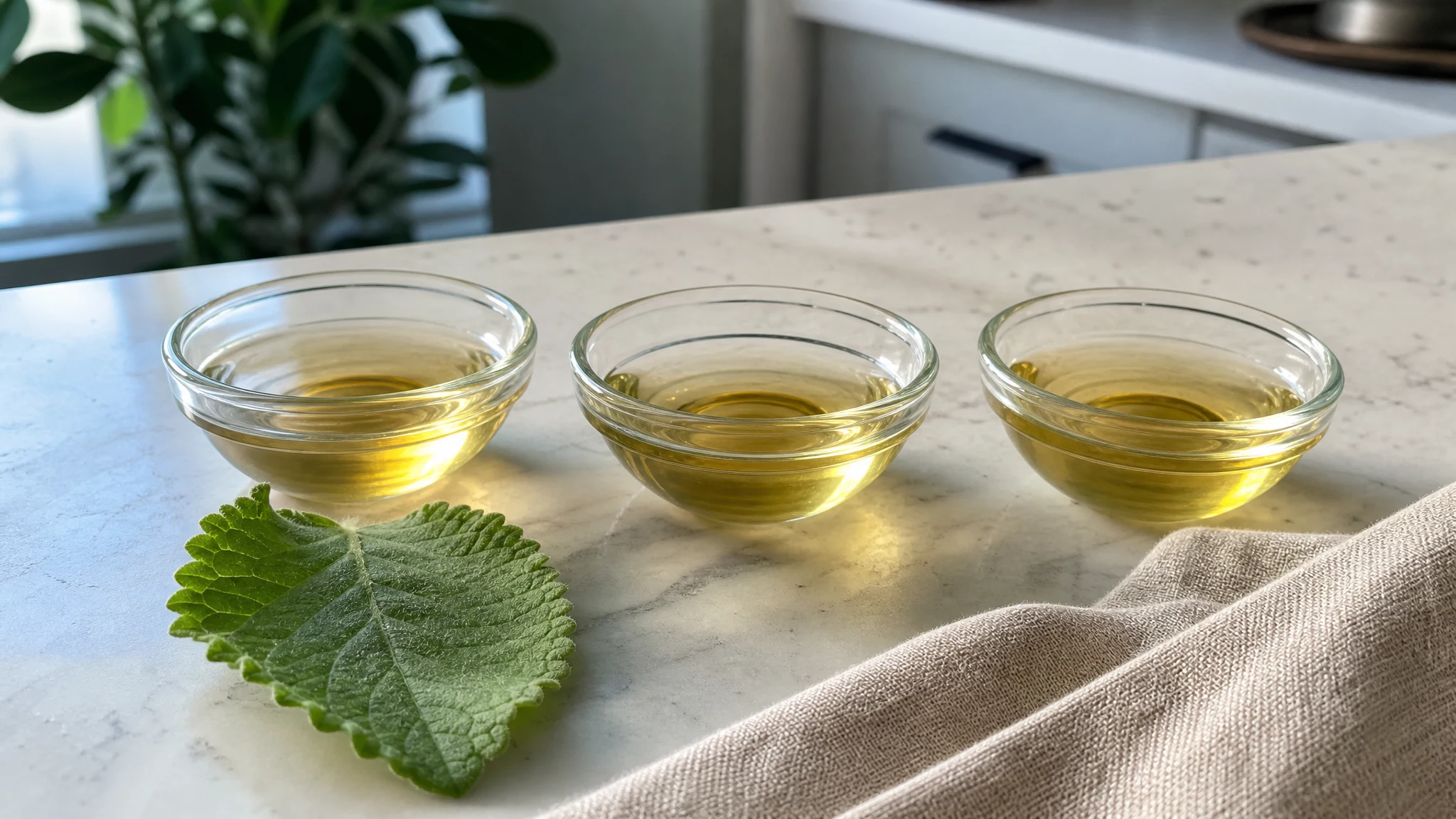
Three bottles can all say patchouli and still hold three different materials. One has been steamed out of dried leaf, one has been washed out with solvents, and one has been pulled out with pressurised carbon dioxide. They overlap in smell, and they differ in weight, colour, strength and the paperwork that goes with them. If you follow a recipe or a usage guide, it was written for one of the three.
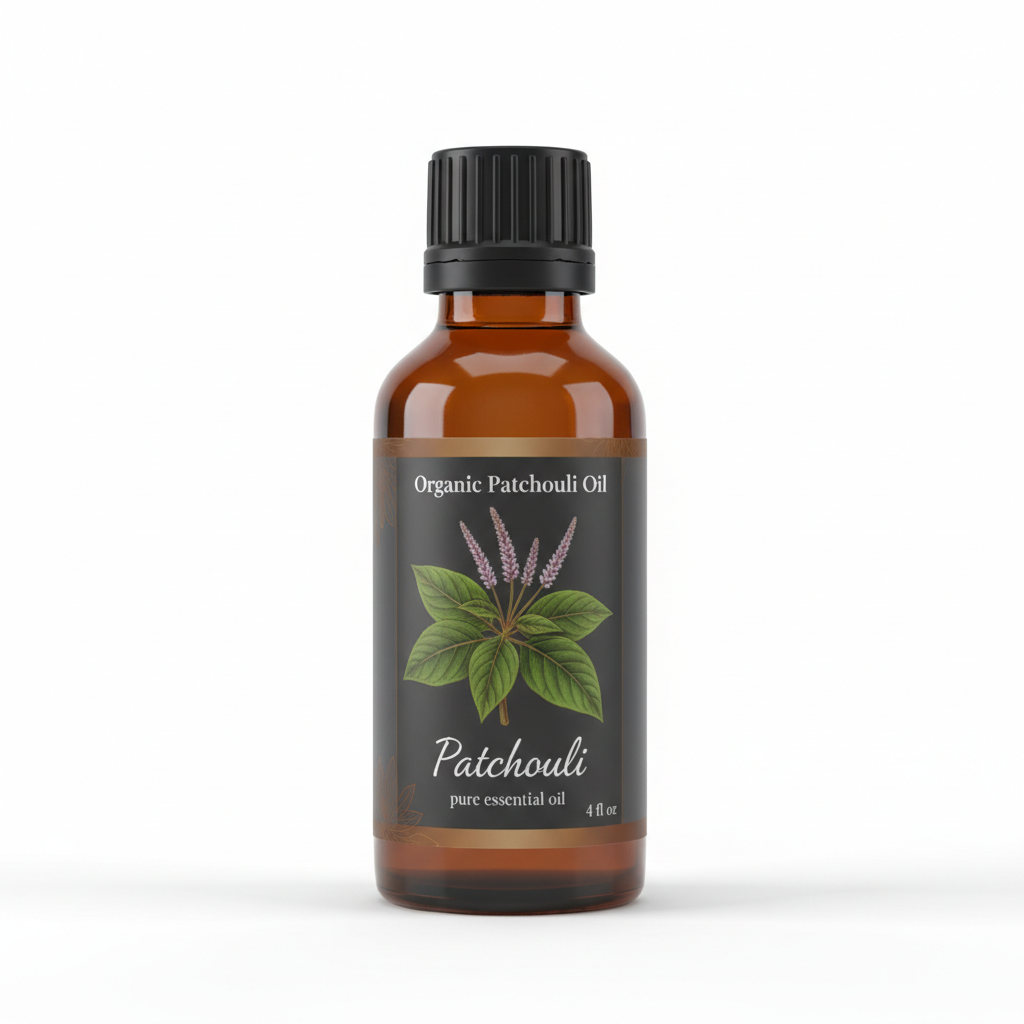
Patchouli Essential Oil
Our own Patchouli Essential Oil, in sizes from 0.5 oz to bulk.
From $20.99
Shop Now →Three routes from the same leaf
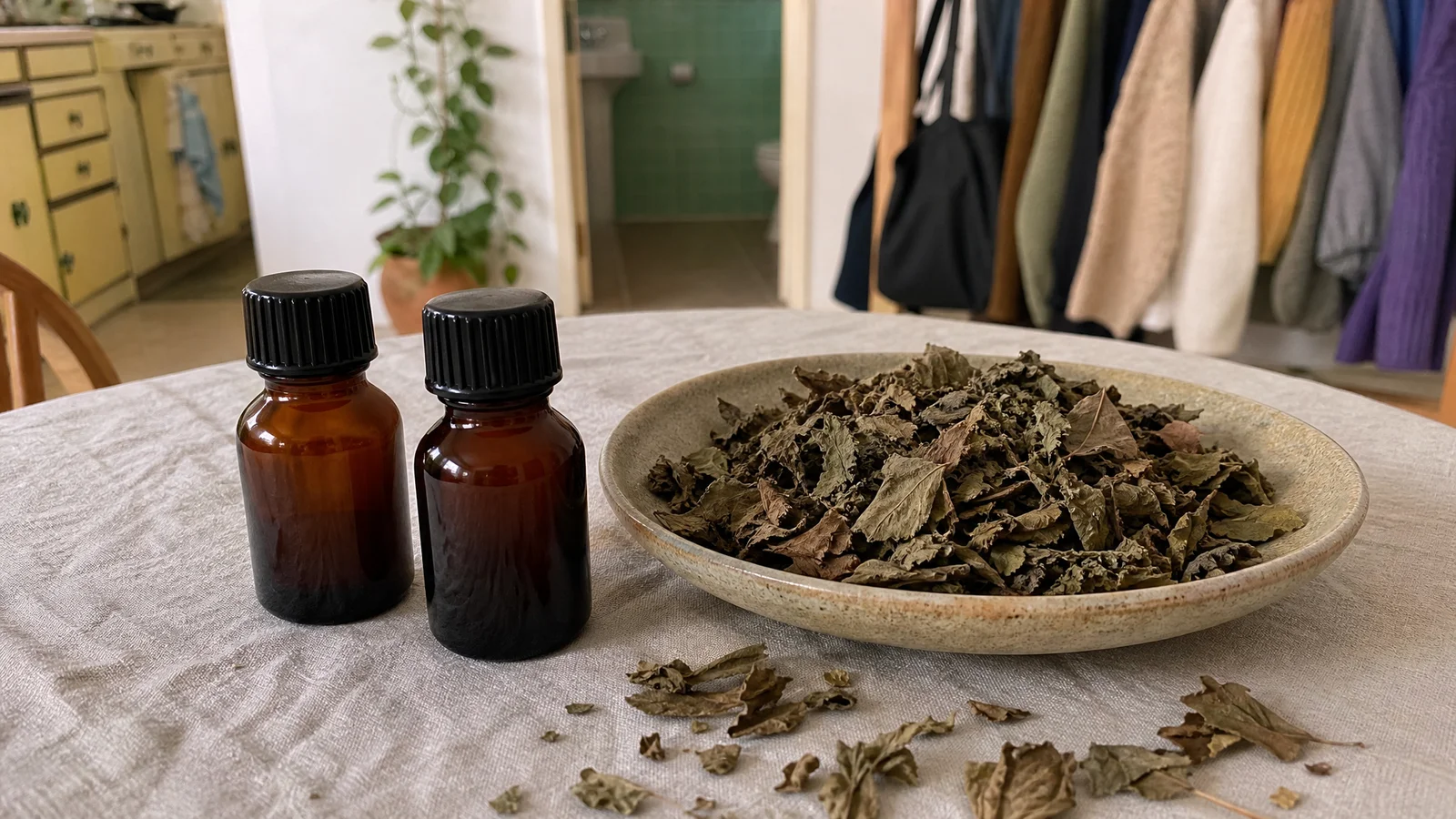
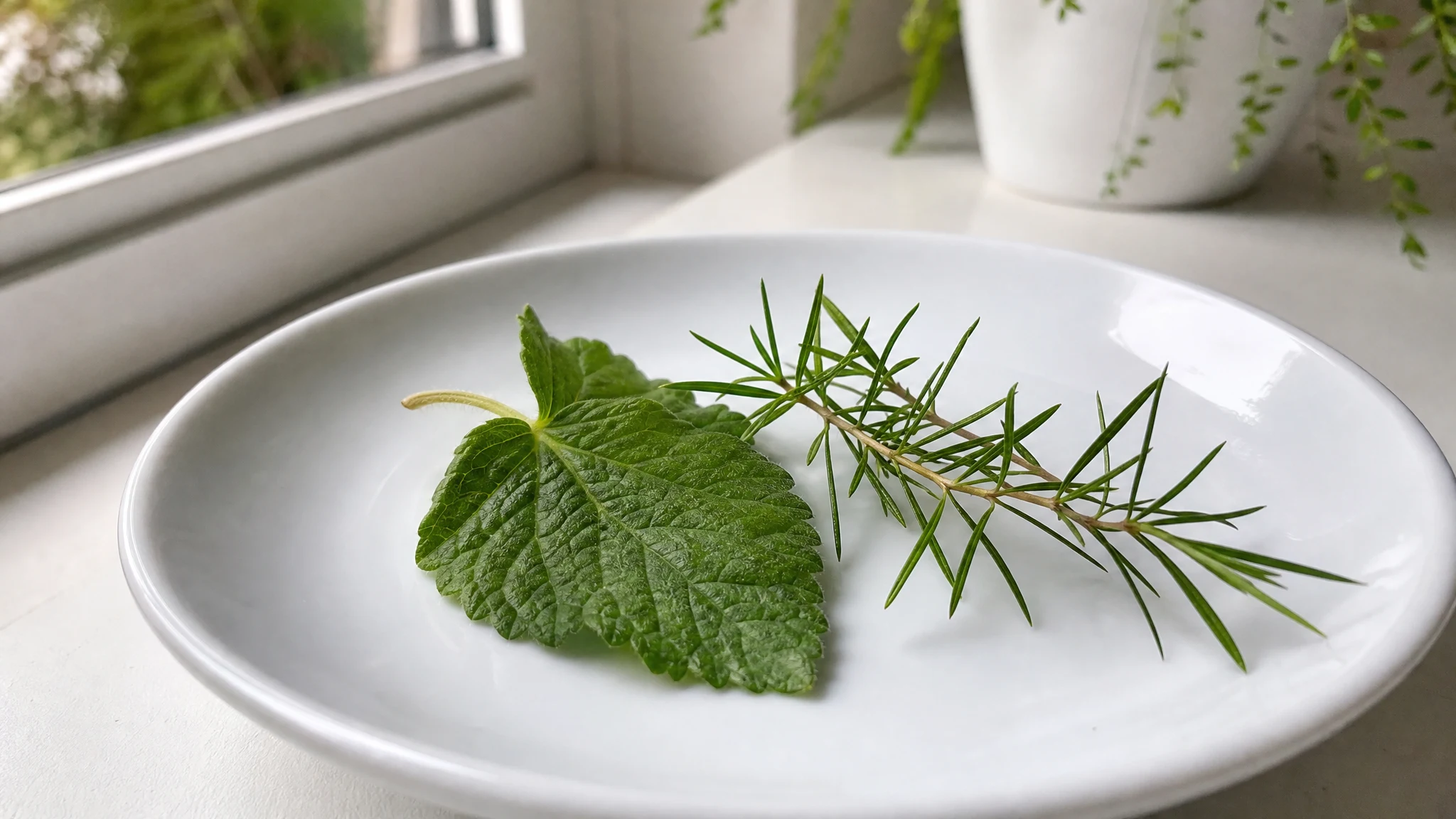
Steam-distilled oil is the classic. Steam passes through dried leaf, carries the aromatic compounds with it, and the oil is separated from the water as the steam condenses. The European Food Safety Authority describes exactly that process for the patchouli oil it assessed, and describes the oil as a yellow to reddish-brown liquid with a leafy, humic odour (Safety and efficacy of a feed additive consisting of an essential oil derived from the leaves of Pogostemon cablin Benth. (patchouli oil) for use in all animal species (FEFANA asbl), EFSA FEEDAP Panel, 2025). PROSEA puts typical oil yield at roughly 1.3% to 2.2% of the leaf (Pogostemon (PROSEA), Pl@ntUse). This is the material we sell, in sizes from sample bottles to bulk.
Absolute is made with solvents rather than steam. It is a perfumer's ingredient and a different product from a bottle of distilled oil, with its own safety data and its own recommended use levels.
CO2 extract uses carbon dioxide held under high pressure. A 2022 study of Indonesian patchouli leaf and stem extracted this way at pressures from 10 to 30 MPa and temperatures from 40 to 80 C reported extract yields of 5.43% to 12.41% and patchouli alcohol between about 34% and 54% of the GC-MS peak area, depending on conditions (Characterization of Bioactive Compounds from Patchouli Extracted via Supercritical Carbon Dioxide (SC-CO2) Extraction, 2022). The study fed leaf and stem together, and stems carry far less patchoulol than leaf, so it is a sign that CO2 extraction can reach high patchoulol, not a ranking of products you can buy. The yields are also measured differently from oil yields, so the two percentages should not be set side by side.
What you may notice in the bottle
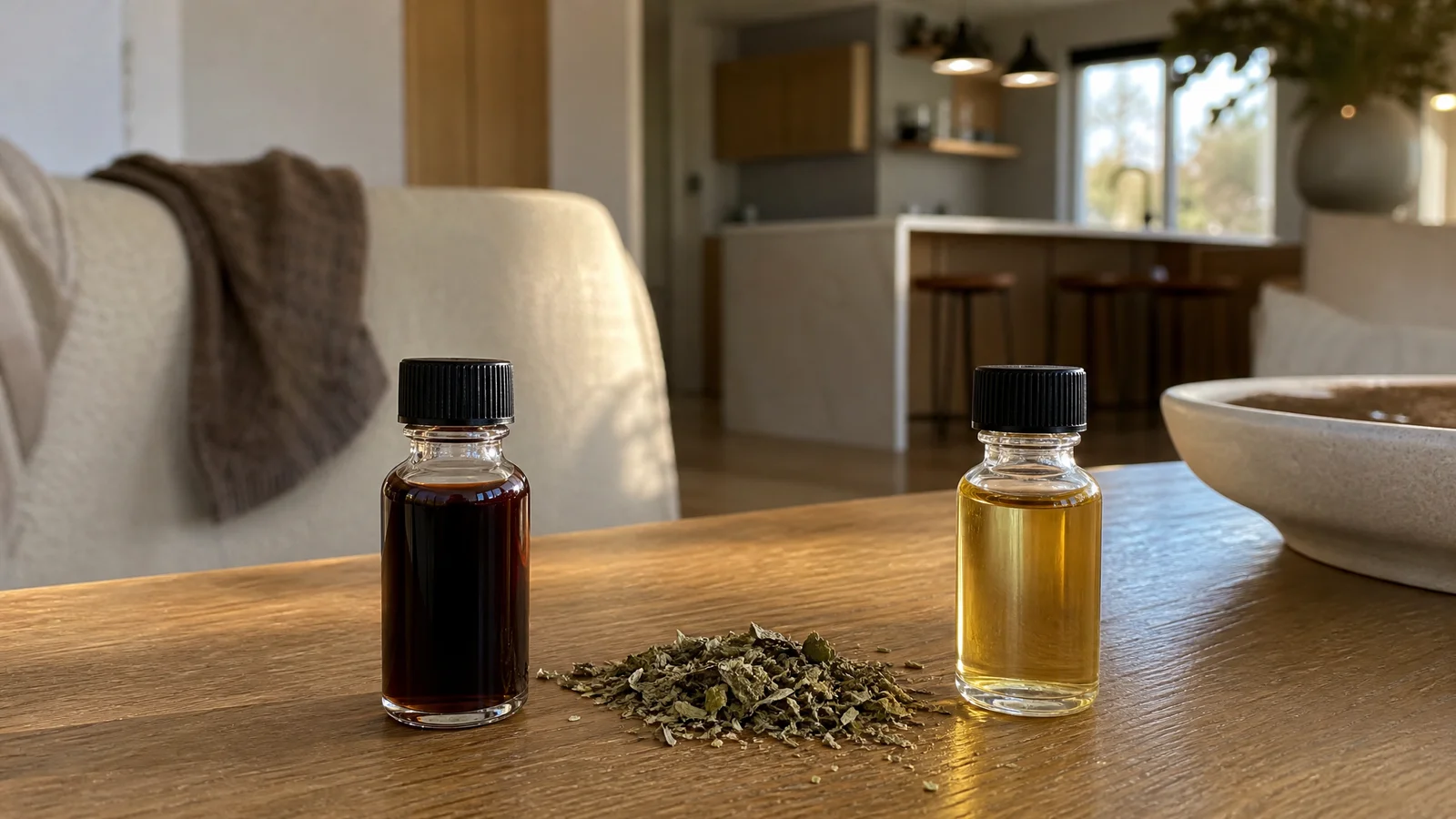
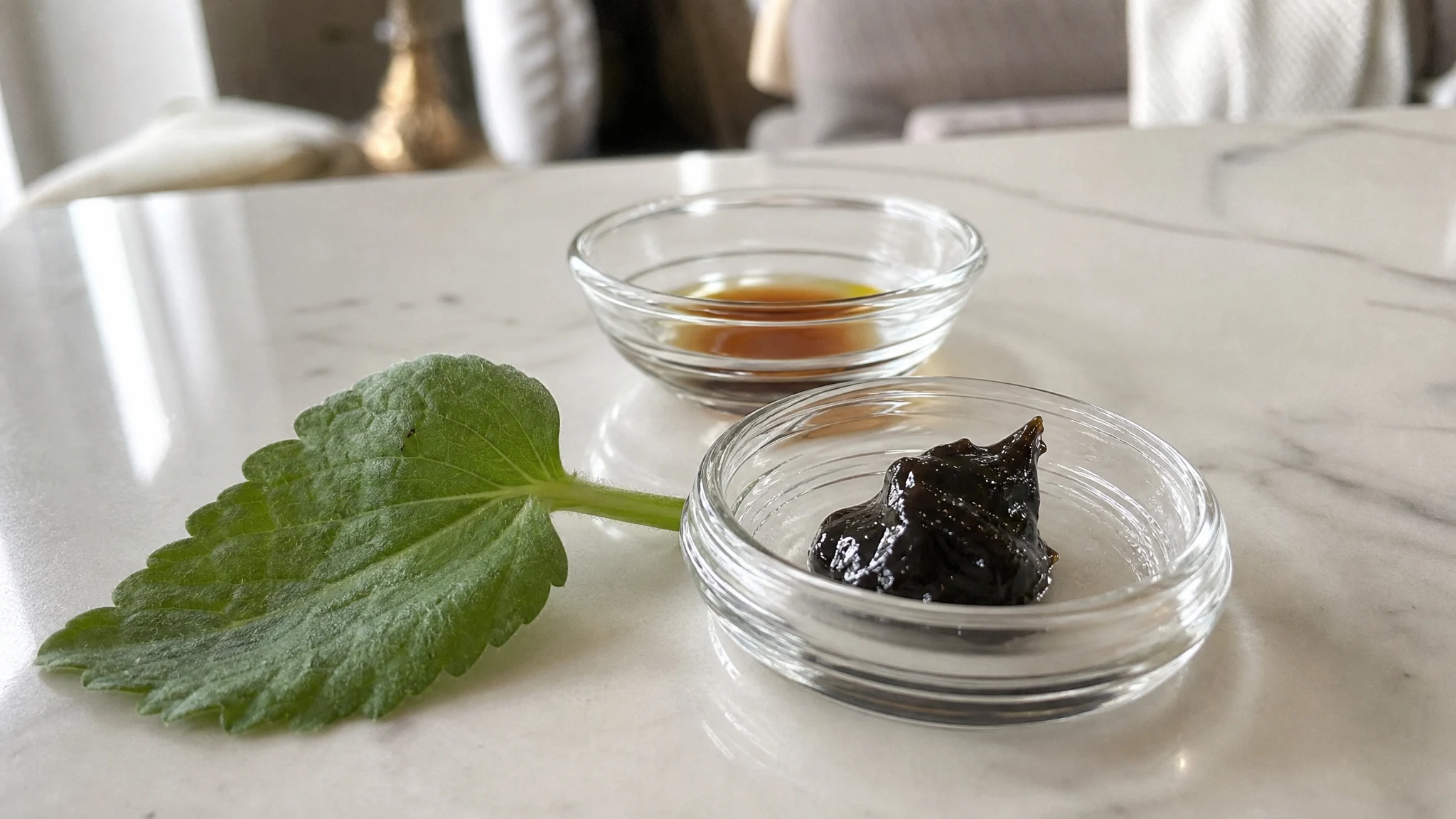
The three materials often show their differences before you read a word of paperwork. A steam-distilled patchouli oil usually pours as a fairly thick but flowing liquid, anywhere from amber to deep reddish-brown. Absolutes, as a family, tend to be thicker and more syrupy, and the scent can seem rounder and sweeter at first. Extracts made with carbon dioxide vary from maker to maker, so the supplier's sheet is the best guide to what you will get.
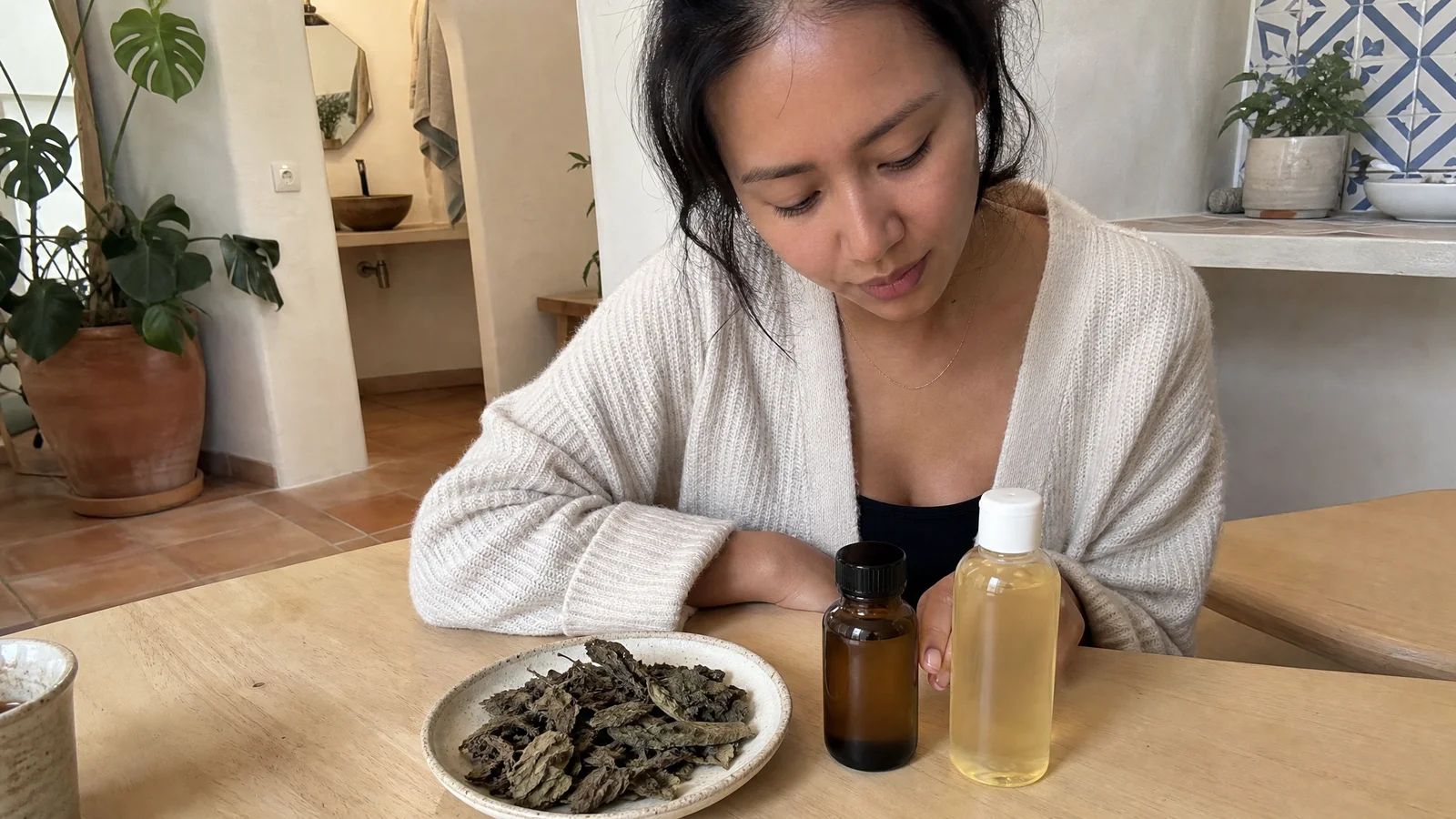
The simplest way to learn the difference is to smell them on separate paper strips, one after the other, then again an hour later. You will notice that patchouli's sweetness and its dark, earthy base are weighted differently in each one.
Read past the name
The word patchouli on a front label does not tell you which of the three you have. The safety data sheet or specification is where the process, the composition, the appearance and the permitted use are spelled out, and reading those lines tells you what you are really holding. If a sheet does not name the extraction method, ask.
Why we stay with the distilled oil
We sell the steam-distilled oil, and for a first project we would suggest starting there. The recipes, drop counts and dilution guidance you will find on our site, including the pages linked below, are all written for it, so you will not have to translate between materials. If you later become curious about an absolute or an extract, treat it as a new ingredient, with its own sheet, its own strength and a fresh round of small test batches.
What this means for a recipe
A dilution figure belongs to a material. The one authority statement we could read concerns the distilled oil: EFSA considers the oil it assessed an irritant to skin and eyes and a dermal and respiratory sensitiser. We recommend diluting our oil to 0.5% to 2% in a carrier oil, patch testing first, and we start at the lower end for anything that stays on the skin. Do not carry that figure over to an absolute or a CO2 extract. They are different concentrations of different mixtures, and their makers' own sheets are the place to find a use level.
For soaps, candles and blends, the practical differences are the ones you can see and handle: colour, viscosity, and how much of the material you need to get the same strength of scent. Our post on room mist and incense and the guide to patchouli dilution are both written around the steam-distilled oil.
A label with a plain statement of what is inside is a pleasure to find, and it is the first thing we would look for in any bottle of patchouli. Keep a note of which material each recipe was built around, so the next time you pick up a bottle you will know whether the numbers still apply.
The Certificate of Analysis we publish for one batch of our oil names the extraction method as steam distilled and the plant part as leaf. Whichever supplier you choose, look for that kind of plain statement before you treat any number as a guide to your own blend.
Patchouli Essential Oil
Patchouli Essential Oil from our own shop, in sizes from 0.5 oz to bulk.
From $20.99
Shop Now →Sources & Further Reading
- Safety and efficacy of a feed additive consisting of an essential oil derived from the leaves of Pogostemon cablin Benth. (patchouli oil) for use in all animal species (FEFANA asbl), EFSA FEEDAP Panel, 2025
- Pogostemon (PROSEA), Pl@ntUse
- Characterization of Bioactive Compounds from Patchouli Extracted via Supercritical Carbon Dioxide (SC-CO2) Extraction, PMC, 2022