Patchouli History: From Perfumed Ink to Sumatra
Ask most people where patchouli comes from and they will say the 1970s. The truth is a good deal older and more interesting: a shrubby plant of uncertain homeland, perfumed ink, folded clothes, shawls that smelled of it long before anyone in Europe had seen a leaf, and an oil industry that hopped from island to island in about a century.
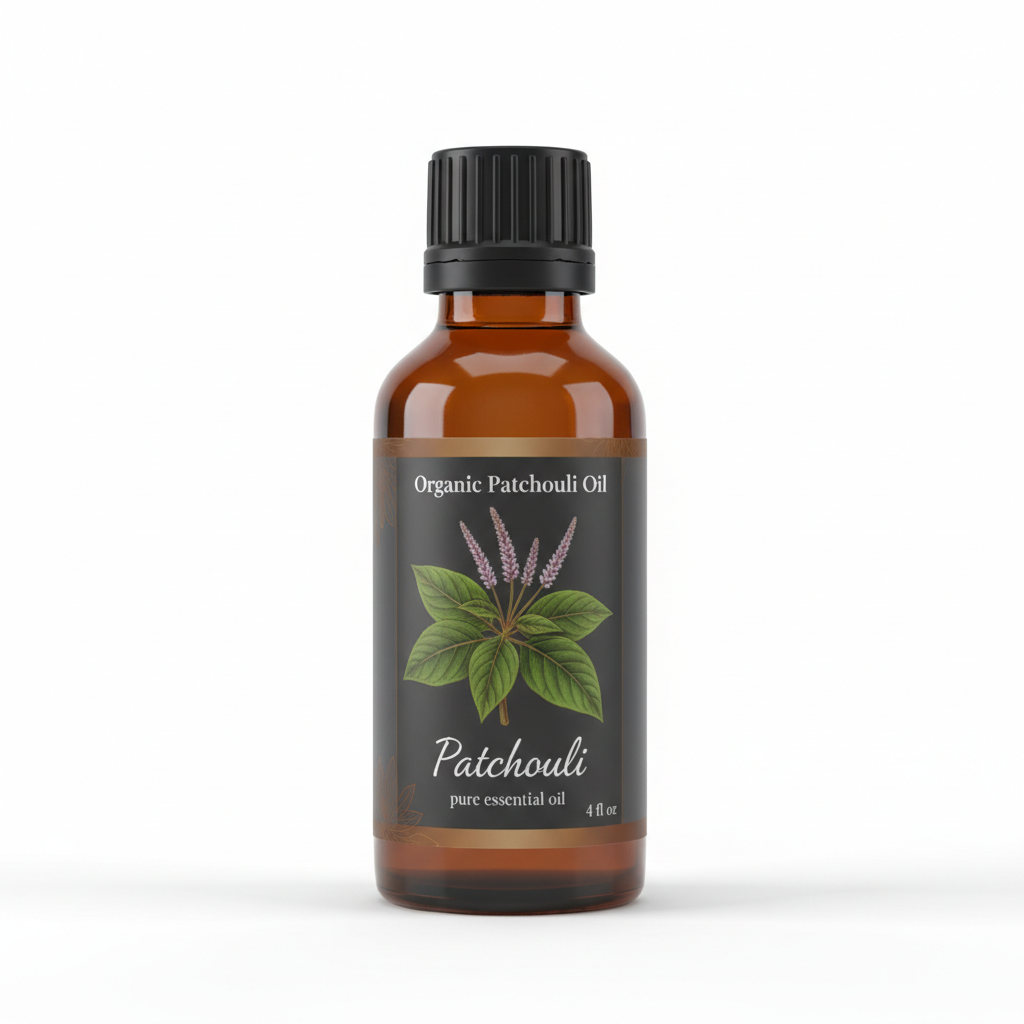
Patchouli Essential Oil
Our own Patchouli Essential Oil, in sizes from 0.5 oz to bulk.
From $20.99
Shop Now →A plant with no certain birthplace
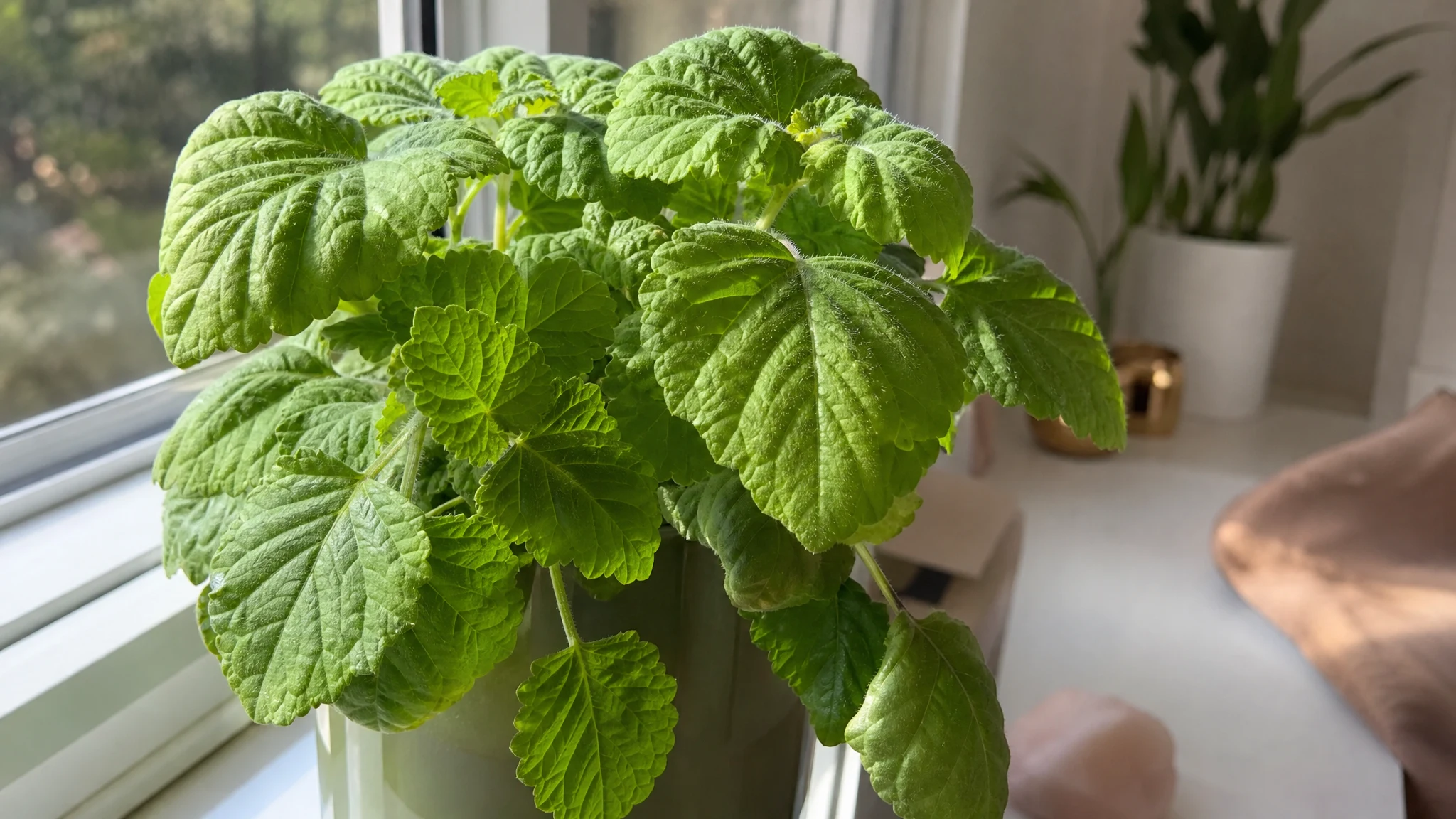
Botanists are candid that nobody knows exactly where Pogostemon cablin began. The plant-resources reference PROSEA says outright that the origin is uncertain, and points to the border region between Southeast Asia and China as one possibility. A 2015 review in the journal Molecules calls it a native of the Philippines and notes that the species name cablin comes from "cabalam", a local Philippine name. Those two statements sit side by side without quite agreeing, which is a fair summary of how plant history often goes: the name has a clear trail and the homeland does not.
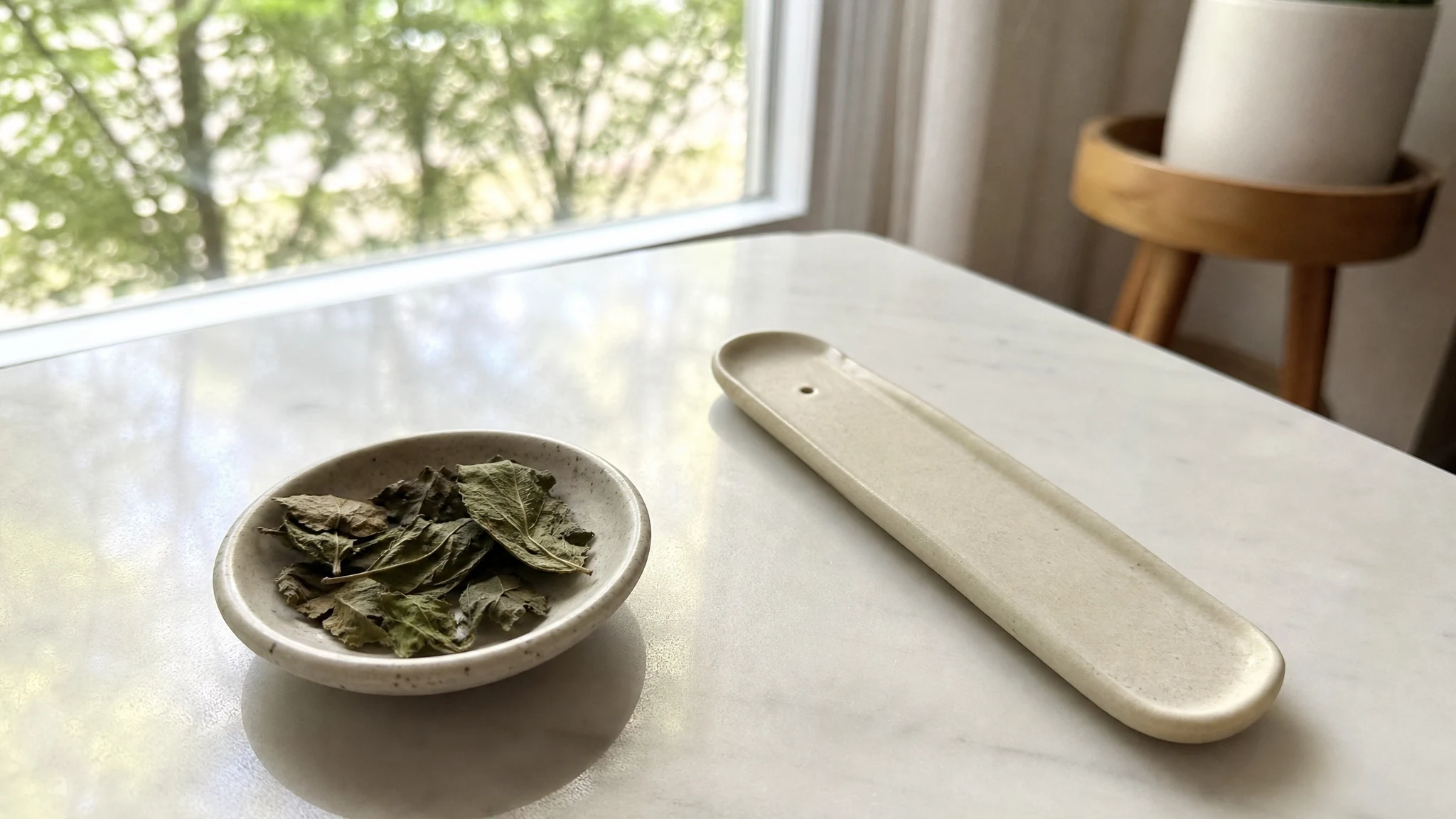
What is clear is that people noticed the smell very early. PROSEA records that in China, where the plant was probably being grown around 2,000 years ago, ink was perfumed with it. Elsewhere, dried leaves of several Pogostemon species were laid between stored clothing to keep insects away. A leaf that scents the cloth and protects the wool is easy to see becoming a household staple.
A scent that travelled before the plant did
This is our favourite part of the story, and it is a very commercial one. According to PROSEA, Indian shawls and clothing carried the fragrance to Europe, so Europeans knew the smell of patchouli on fabric before they could buy the leaf. It was not until 1844 that the first dried leaves reached London, and French cloth makers soon began copying the practice. In other words, patchouli arrived as a smell attached to something beautiful, and the trade in the plant followed the trade in the scent.
If you enjoy that angle, we follow the clothes-closet side of it in our article on patchouli and moths.
From leaves to an oil industry
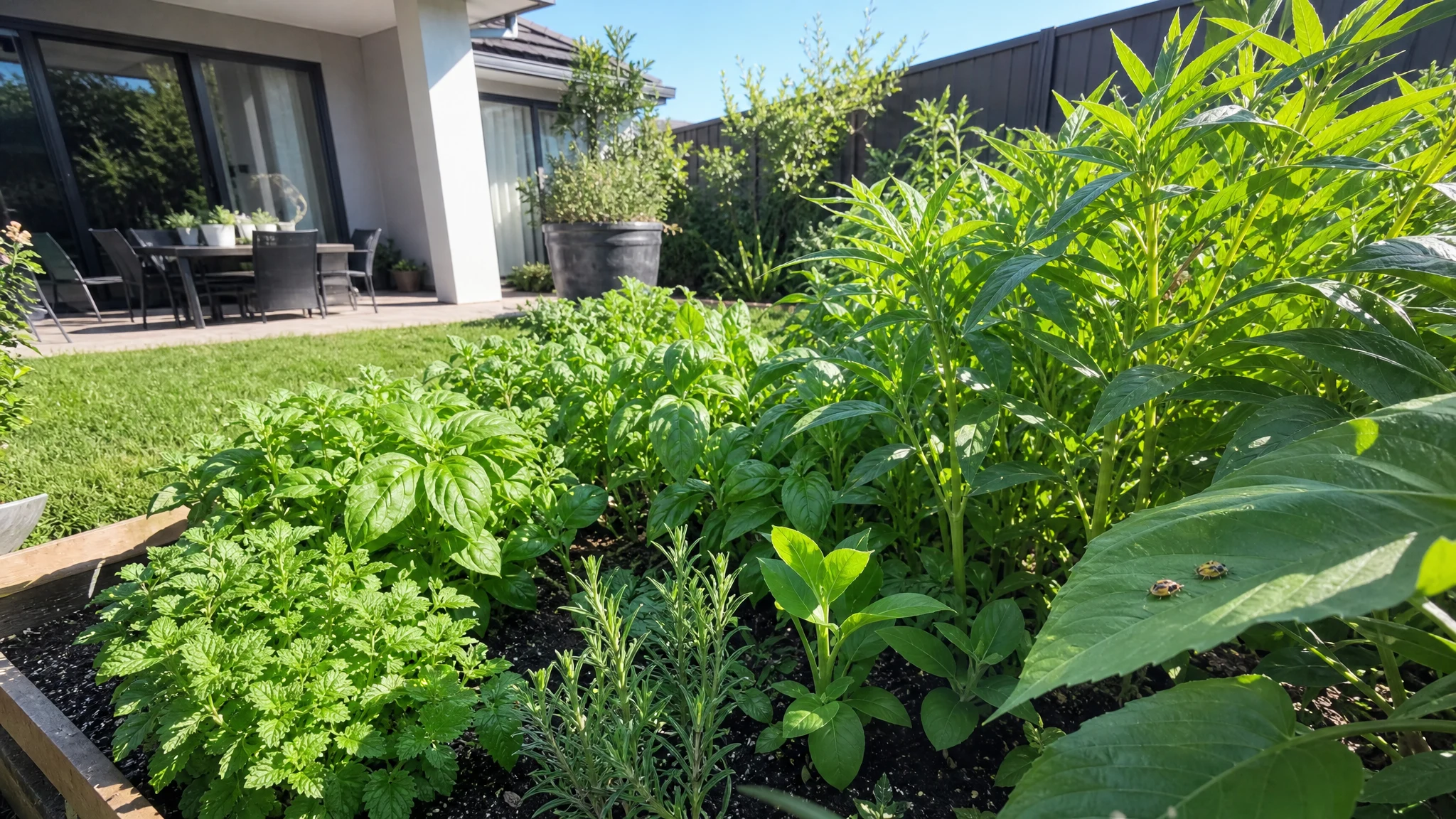
PROSEA gives the oil trade a surprisingly tidy timeline. Growing patchouli for its oil probably began in Penang, Malaysia, in the 19th century, using plants from the Philippines. It reached Java in 1895 and Sumatra in 1910, and by 1920 production was well established in Aceh, in northern Sumatra. By 1995 the world was producing about 1,000 tonnes of oil a year, more than 80% of it from Sumatra. Those are figures from the end of PROSEA's record, so read them as a snapshot of the 1990s and not of today, but they show how concentrated and how mobile the business has been.
The same reference describes how the oil itself differs by where and how it is made. Oil distilled in Indonesia tends to be a dark orange or brownish, viscous liquid, while oil distilled in Europe or the United States is paler, orange or amber. That colour spread is one reason two patchouli oils can look nothing alike and still both be patchouli, a point our dark versus light article explores.
And then there is the counterculture
Yes, patchouli is the scent many people link with the 1960s and 70s, and the association is a real part of its modern identity. It rides on a reputation that, as the record above shows, was already more than a century old: a fragrance with a social meaning, carried on cloth, long before anyone wore it as a statement. What is solidly documented is the ink, the closets, the shawls and the islands, so those are the chapters we like to tell.
A bottle with a long story
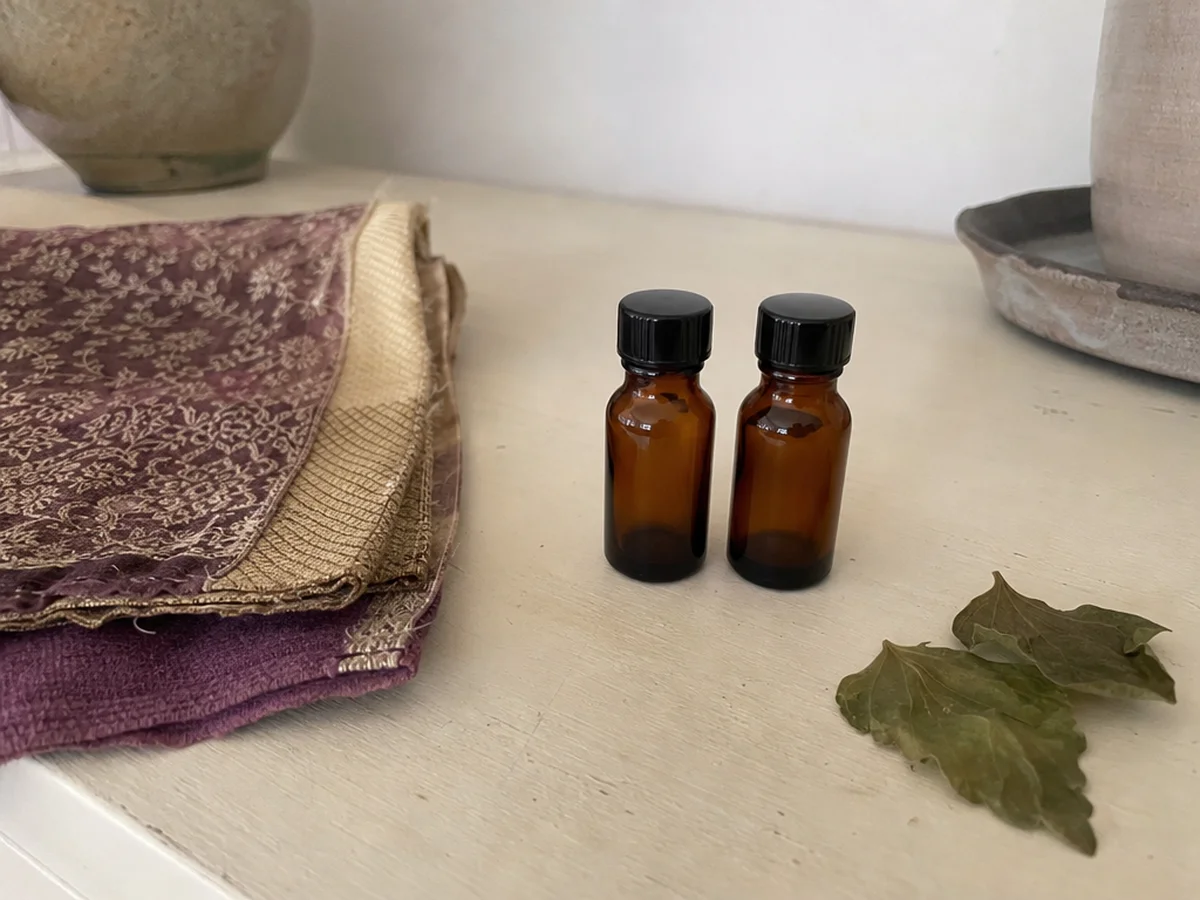
We find it hard to open a bottle of patchouli without thinking of those folded shawls. The next time you open yours, try a small ritual: put a single drop on a cotton pad, set it in a dish, and breathe in the deep, earthy, wine-like scent, with its notes of damp forest floor and aged wood. Think of the ink, the closets and the ships. It is a small pleasure, and it turns a bottle on a shelf into something with a past.
If you want to tell the story to a friend, three facts will carry you a long way: the plant has no certain homeland, the scent reached Europe on cloth before the leaf did, and the oil industry moved across the islands in about a century. Everything else is a bonus.
It is also worth remembering how much of this story is about cloth. A scent clinging to a shawl is a very human thing, and it explains why patchouli has always felt personal. People did not just wear it, they carried it into rooms, trunks and drawers, and that is still how it behaves today.
What the history means when you buy
Two practical threads follow from it. First, supply is concentrated and has moved before, which helps explain why quality and price can swing. A 1980s perfume patent says natural patchouli oil is available only in limited quantity and is often of very variable quality, which is exactly why its inventors went looking for synthetic substitutes. Second, an oil with a long trade history deserves a buyer who reads labels and asks questions; our guide to quality checks before you pay walks through what to look for.
You can also take the history as an invitation. Patchouli has been scenting ink, cloth and perfume for centuries, and a little of that story comes with every bottle, one drop at a time.
Patchouli Essential Oil
Patchouli Essential Oil from our own shop, in sizes from 0.5 oz to bulk.
From $20.99
Shop Now →Sources & Further Reading
- Pl@ntUse. Pogostemon (PROSEA). plantuse.plantnet.org/en/Pogostemon_(PROSEA)
- Swamy MK, Sinniah UR, 2015. A Comprehensive Review on the Phytochemical Constituents and Pharmacological Activities of Pogostemon cablin Benth.: An Aromatic Medicinal Plant of Industrial Importance. Molecules. pmc.ncbi.nlm.nih.gov/articles/PMC6272783/
- Gebauer H, Mehlin H, Regiert M, 1987. Trimethylcyclohexene derivatives, their preparation and use as perfume substances. US Patent 4,704,477. patents.google.com/patent/US4704477A/en