Patchouli Scent for Meditation: Building a Cue
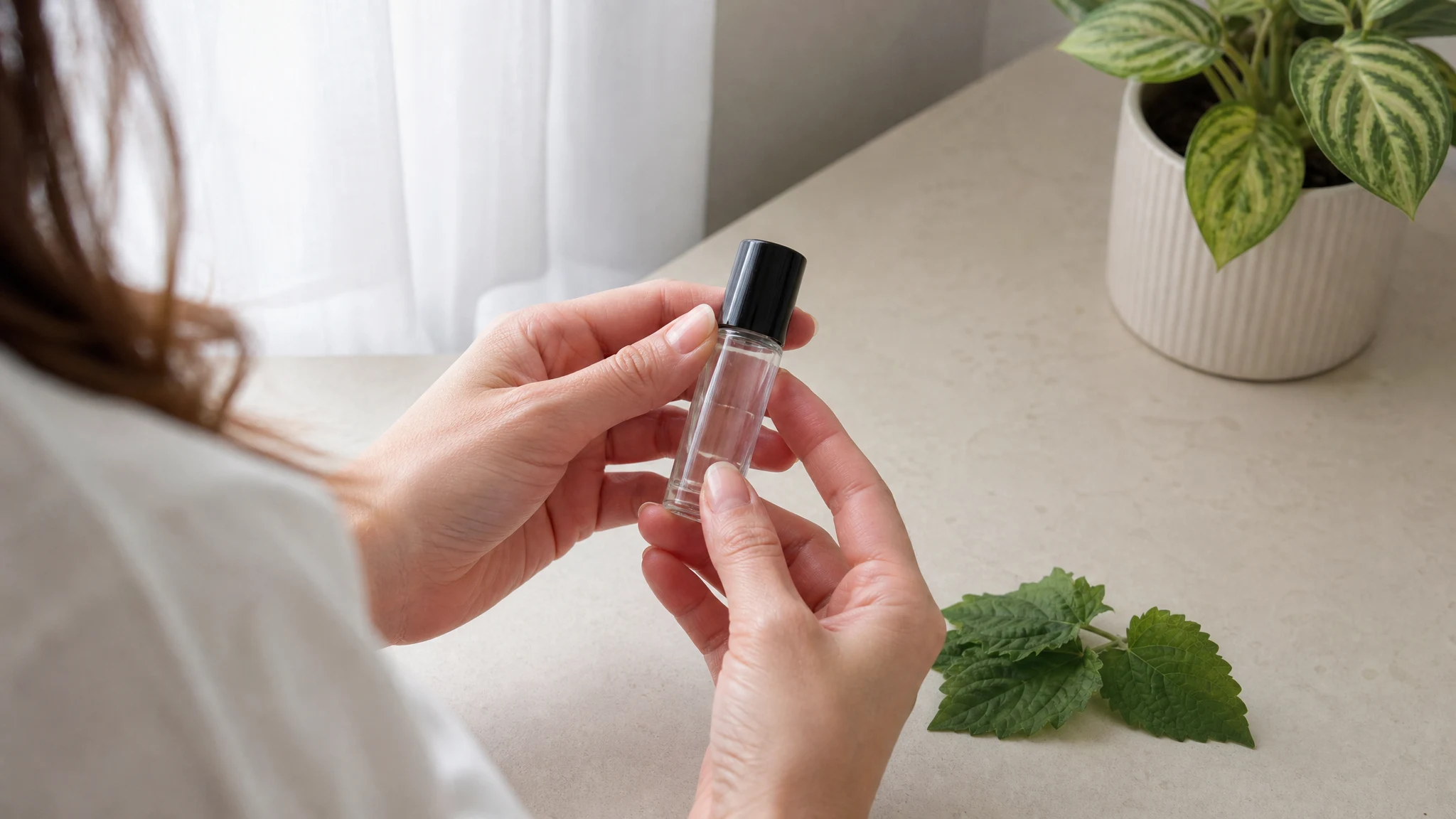
You do not need patchouli to meditate, and no part of the meditation research depends on a scent. But there is a lovely, ordinary idea hiding in the combination: a smell you only ever meet at one cushion, in one corner of the house, can become the cue that says it is time to sit. Patchouli, with its deep, earthy, wine-like aroma and its note of damp forest floor, is a very distinctive choice for that.
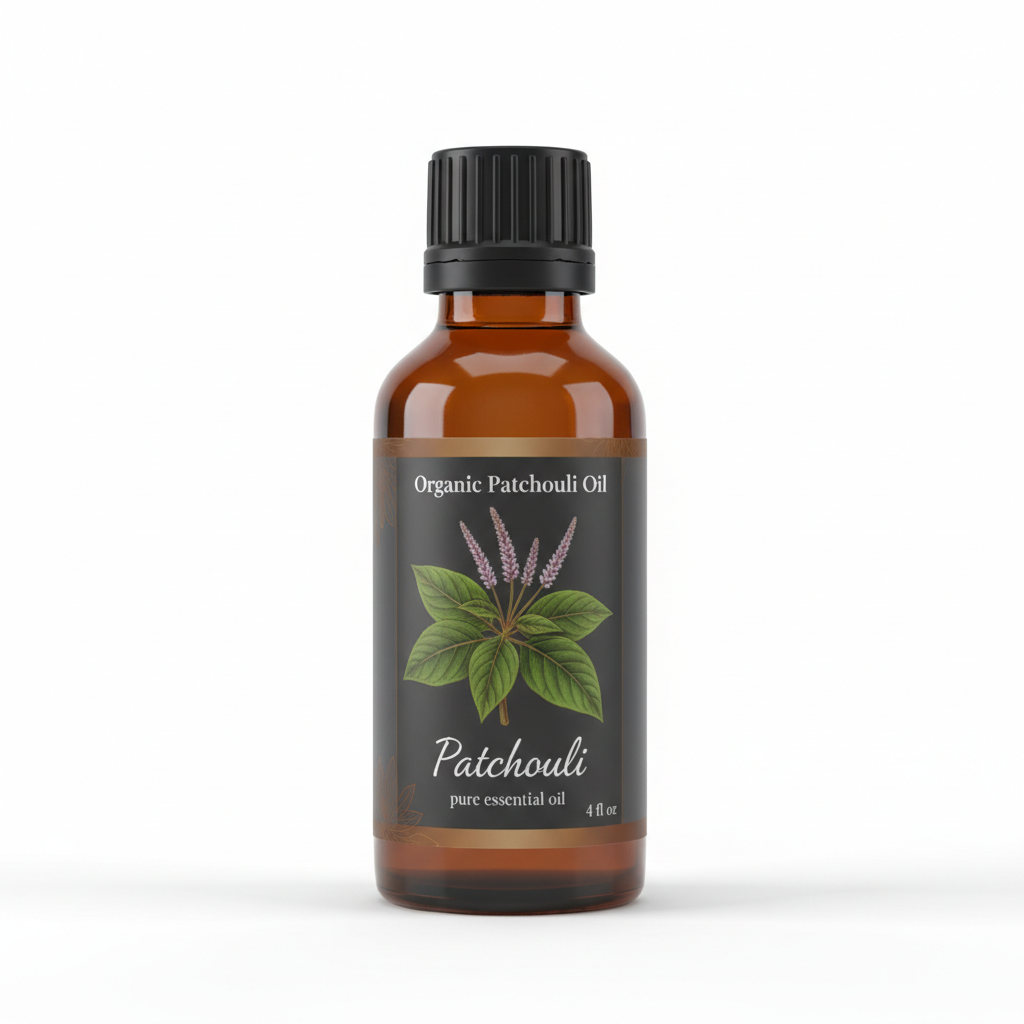
Patchouli Essential Oil
Our own Patchouli Essential Oil, in sizes from 0.5 oz to bulk.
From $20.99
Shop Now →Why a smell makes a good cue
Scent and memory are close neighbours. In experiments by Chu and Downes, people recalling autobiographical events were given a second chance to remember with different prompts, and the memories prompted by the relevant odor came back with more detail than those prompted by other cues. That study is about remembering life events, not meditating, so the leap to habits is our own reasoning. It is a sensible one, though. If the only place you smell patchouli is the five minutes before you sit, the aroma starts to belong to that routine.
The same logic means the scent just needs to be consistent and under your control. Patchouli does that well because a small amount is enough and it stays in the air for a good while. It also means that if you find it distracting, any other aroma you like will do the same job just as well.
What the research on meditation itself says
The largest review of meditation programs, in JAMA Internal Medicine, pooled 47 randomised trials with active controls and 3,515 adults. Scent was not a variable in any of them. The review found moderate evidence that mindfulness programmes were associated with improvements in anxiety, depression and pain, and no evidence that meditation was better than other active treatments. Meditation is something you can enjoy and practise for its own sake; if sitting quietly makes you feel worse, a clinician or an experienced teacher is the right person to talk to. We sell an external cosmetic oil, and we make no claim about mood or stress.
Make the ritual small
The best cue is one you will actually repeat. A single dish, a single cotton ball, one drop and the same corner each time is plenty. Keep the preparation to about a minute, and put the bottle back on its shelf each time so it does not wander around the house. If you skip a day, nothing is lost; the scent will still be waiting when you come back.
Give the scent two minutes before you judge it. Patchouli changes in the first few minutes, with a sharper edge at the start that settles into woody, damp earth. If you like where it lands, you have found your cue. If not, there is no harm in choosing something else.
A word on expectations: the scent is a signal, not a technique. It will not make a session easier or harder, and it does not need to. What it can do is give you a small, pleasant doorway into a habit you already want to keep. Choose a quiet spot, a comfortable cushion and a regular time, and let the aroma be the finishing touch.
Diffuser or incense?
This is where the practical choice matters. Incense is smoke, and smoke has been measured. A study in Indoor Air measured incense burning near a household altar and found particle levels near the altar of 723 micrograms per cubic metre in a closed room against 178 in a ventilated one, well above background in both cases, and still elevated six hours later when the room was closed. The authors' own comparison shows how much a window matters.
We did not find equivalent measurements for a diffuser running patchouli, so we cannot tell you that one is cleaner, and we will not guess. What we can say from the mechanism is that a diffuser makes vapour or mist with no combustion, but it is still an essential oil in the air of a room. That points to the same habits either way: ventilate, keep sessions short, and keep pets and young children out of the room. If you have asthma, check with your physician before diffusing anything.
A quiet setup we would suggest
- Choose a room you can ventilate, and open a window for a few minutes before and after.
- Use one drop on a cotton ball in a saucer, placed away from fabric. Our oil will stain a light surface, so keep it off cushions and rugs. A diffuser works too, with one drop to start.
- Keep sessions short at first. If you cough or get a headache, stop.
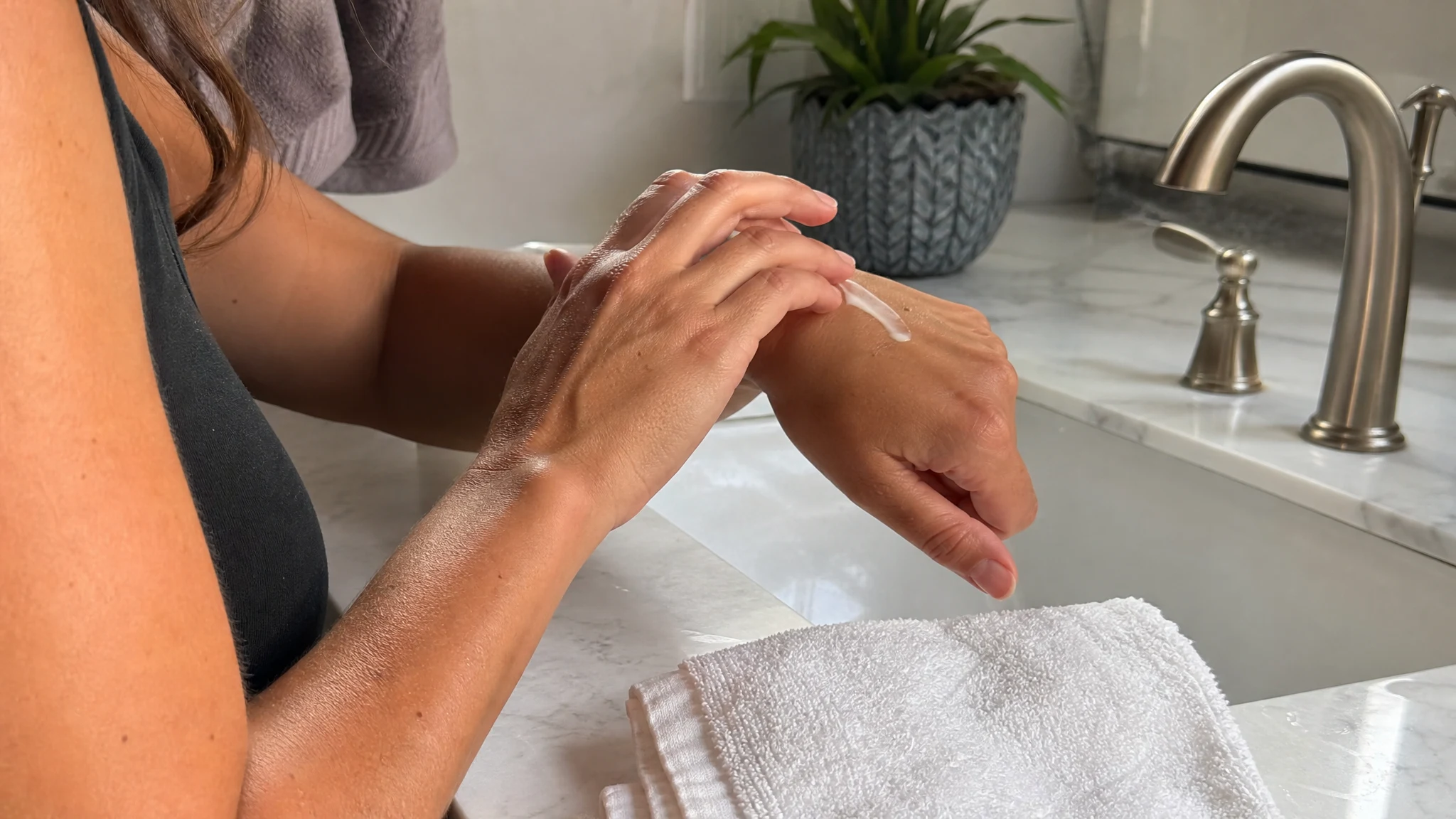
- Never put the neat oil on skin. We recommend diluting to 0.5% to 1% in a carrier oil for leave-on use and patch testing first, and our oil is for aromatic and cosmetic use only, never internal.
- Never leave anything burning unattended.
Keep in mind that patchouli lingers on cloth and skin for days, so a meditation cushion that has met a few drops will carry the smell into every room. A faint trace is the goal. If you would like to go deeper on the plant's history of use, read our piece on traditional uses and spiritual claims. The incense and room mist article covers scenting a space in more detail, and if stress is on your mind, the anxiety article goes through what the studies did and did not measure.
A good practice is built from habit, and a good habit sometimes just needs a pleasant signal that says now. If that signal smells of rain-damp earth and old wood, so much the better.
Patchouli Essential Oil
Patchouli Essential Oil from our own shop, in sizes from 0.5 oz to bulk.
From $20.99
Shop Now →Sources & Further Reading
- Goyal M et al., 2014. Meditation programs for psychological stress and well-being: a systematic review and meta-analysis. JAMA Internal Medicine.
- Chu S, Downes JJ, 2002. Proust nose best: odors are better cues of autobiographical memory. Memory & Cognition.
- Lung SC et al., 2003. Contribution of incense burning to indoor PM10 and particle-bound polycyclic aromatic hydrocarbons under two ventilation conditions. Indoor Air.