Patchouli in Homemade Deodorant: How Much Is Enough?
Patchouli is one of the most assertive scents there is, which makes it a bold choice for a deodorant. Some people want exactly that: an earthy, woody fragrance in a homemade stick or balm, in place of the usual fresh-and-clean. The trick is that the underarm is thin, folded and often freshly shaved, so the amount of oil you add matters more than anything else in the recipe. Here is the arithmetic.
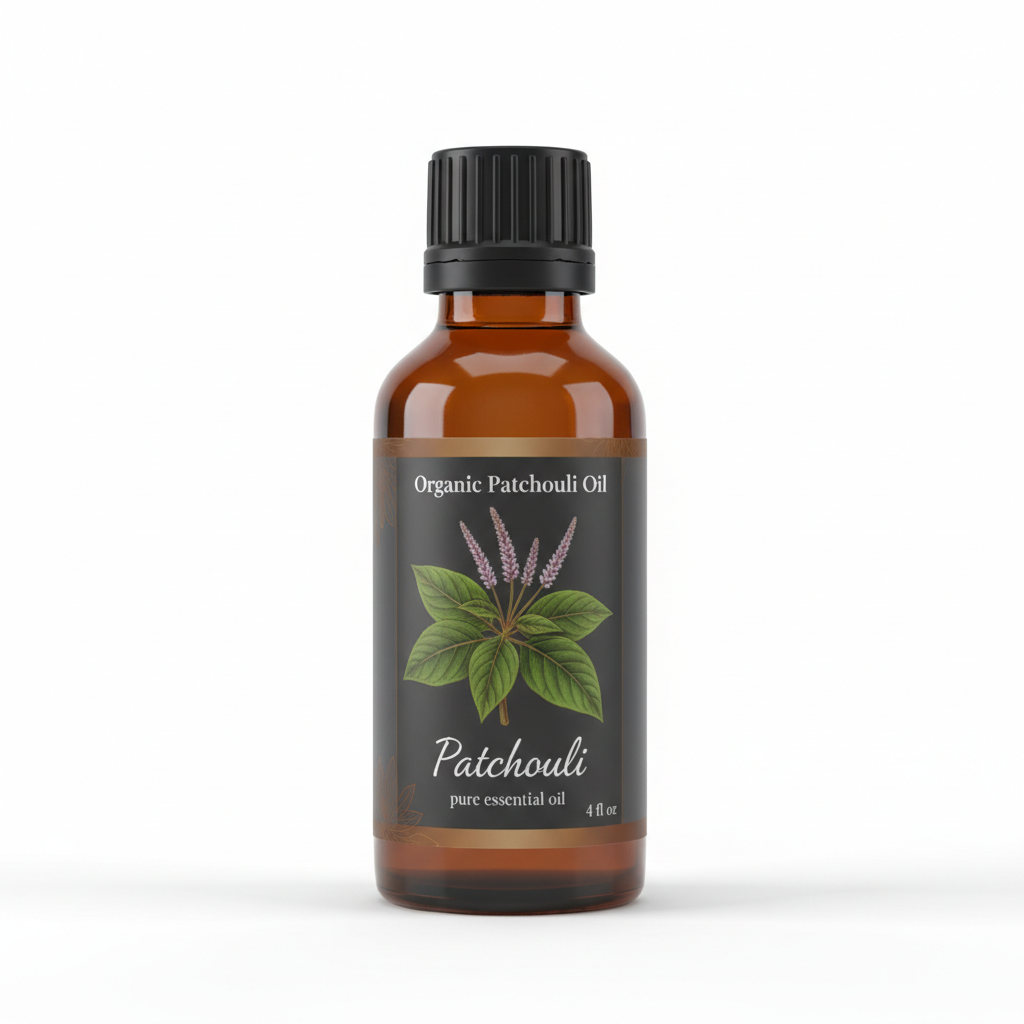
Patchouli Essential Oil
Our own Patchouli Essential Oil, in sizes from 0.5 oz to bulk.
From $20.99
Shop Now →What scent contributes
A fragrance adds a smell to a product. It does not change what sweat does on skin. MedlinePlus explains that when sweat mixes with bacteria on the skin it can cause a smell, and that regular bathing and deodorants or antiperspirants can help control odor (MedlinePlus, Sweat | Perspiration | Anhidrosis | MedlinePlus). So in a homemade deodorant, patchouli is the pleasure and the base does the practical work. We sell one patchouli essential oil, for aromatic and cosmetic use, and we make no claims about odor or sweat.
Labelling is worth a thought too. The FDA treats deodorants as cosmetics, and says a deodorant that is also an antiperspirant must meet the requirements for both cosmetics and drugs (FDA, Is It a Cosmetic, a Drug, or Both? (Or Is It Soap?)). Intended use drives the category, so if you share your product, describe the fragrance and leave out promises about sweat.
How much oil
IFRA puts deodorants and antiperspirants of all types, and any product for use on the underarm, in its Category 2 (IFRA, Guidance for the use of IFRA Standards, 51st Amendment, third-party mirror). We do not have a published patchouli maximum for that category, and we will not invent one. What we do have is the European Food Safety Authority's classification of the patchouli oil it assessed as an irritant to skin and eyes and a skin and respiratory sensitiser (EFSA FEEDAP Panel, 2025), and our own guidance of 0.5% to 2% in a carrier oil with a patch test first. For an area as delicate as the underarm we recommend the bottom of that range, 0.5%, and no more than 1%. If you plan to sell a deodorant, a cosmetic regulatory consultant can check the current IFRA standard for you.
The percentages are by weight. At roughly 20 drops per ml, and a density within the 0.950 to 0.975 range stated on the Certificate of Analysis we publish for one batch (a stated range, not a measured value), a base works out like this:
| Batch of base | 0.5% | 1% |
|---|---|---|
| 50 g | 0.25 g, about 5 drops | 0.5 g, about 10 drops |
| 100 g | 0.5 g, about 10 drops | 1 g, about 20 drops |
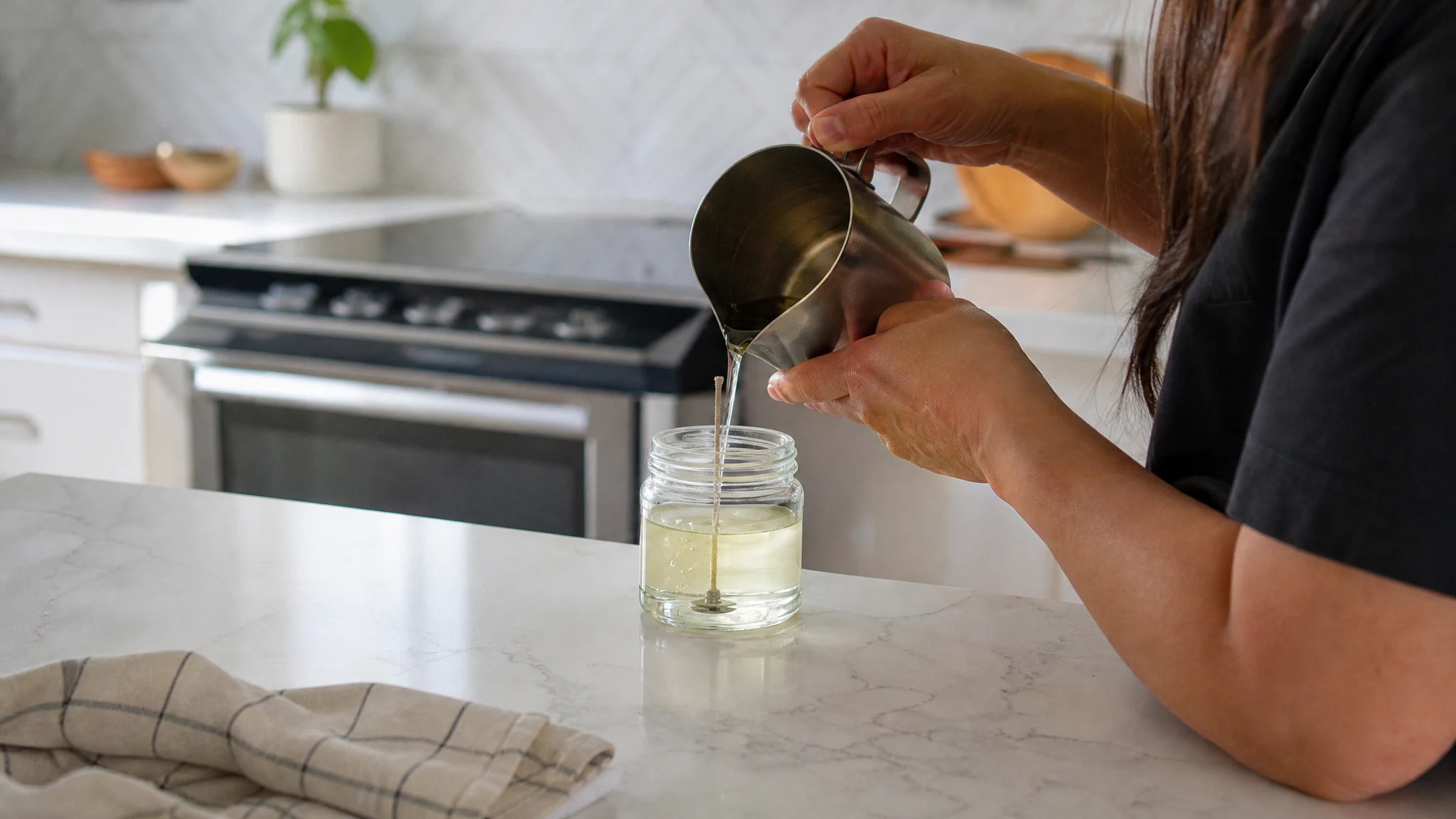
In a 50 g batch a single drop is 0.1 percentage point, so a scale beats an eyeball. We do not sell deodorant bases. A craft or supply shop sells unscented sticks and creams; ask for an unscented one and read its ingredient list for fragrance, essential oils and actives. Soften the base as its maker directs, let it cool until warm rather than hot, stir in the weighed oil, pour and set. Make a small batch first.
A scent you have to live with
Underarm products travel with you all day, close to your nose, so a fragrance that is lovely in the bottle can feel very different by four in the afternoon. Patchouli is deep, earthy and wine-like, and it leaves a long trail. Before you commit to a whole batch, make the smallest amount you can and carry it for a day. Smell it at the start, at lunchtime and in the evening, and decide whether you still like it. If the answer is "a bit much", the fix is fewer drops next time, not more base.
It also helps to think about what else is in the base. Start from an unscented stick and patchouli is the only fragrance, so you will smell it clearly. If the base already carries a scent, the two will mingle and the result can surprise you. Read the ingredient list before you start, as we suggest above.
Laundry and the white shirt
Patchouli lingers, and a product that touches fabric every day will leave it behind. Our oil is naturally dark reddish-brown, it can stain a light surface, and it does not wash out of pale cloth easily. A white shirt is the likeliest place to notice. If you love the scent but want to protect your wardrobe, keep it in a perfume or a body oil, and keep this guide to removing the smell in your back pocket.
Patch test, and when to ask someone
- Test the finished product on the inner forearm first, using the method in our patch testing article, then on a small underarm area before full use.
- Stop and wash if there is stinging, redness, itching or blistering. A rash that persists is a question for a dermatologist.
- Avoid broken or freshly shaved skin, the eyes, children and anywhere pets lick. Never swallow the oil.
Sweat that is heavy or has changed suddenly is a different question from fragrance. The NHS suggests seeing a GP if sweating has gone on for at least six months, interferes with daily activities, happens at least once a week, occurs at night or runs in the family, and notes that a pharmacist can suggest stronger antiperspirants (Excessive sweating (hyperhidrosis) - NHS).
For other strengths and carriers, our dilution chart and carrier oil comparison are good companions. Put the scent where it can be enjoyed, keep the dose small, and a little patchouli goes a long way.
Patchouli Essential Oil
Patchouli Essential Oil from our own shop, in sizes from 0.5 oz to bulk.
From $20.99
Shop Now →Sources & Further Reading
- Sweat | Perspiration | Anhidrosis | MedlinePlus. medlineplus.gov/sweat.html
- FDA. Is It a Cosmetic, a Drug, or Both? (Or Is It Soap?) fda.gov
- IFRA, 2023. Guidance for the use of IFRA Standards, 51st Amendment (third-party mirror). IFRA guidance mirror
- EFSA FEEDAP Panel, 2025. Safety and efficacy of a feed additive consisting of an essential oil derived from the leaves of Pogostemon cablin Benth. (patchouli oil) for use in all animal species (FEFANA asbl). EFSA J. PMC12004087
- Excessive sweating (hyperhidrosis) - NHS. nhs.uk