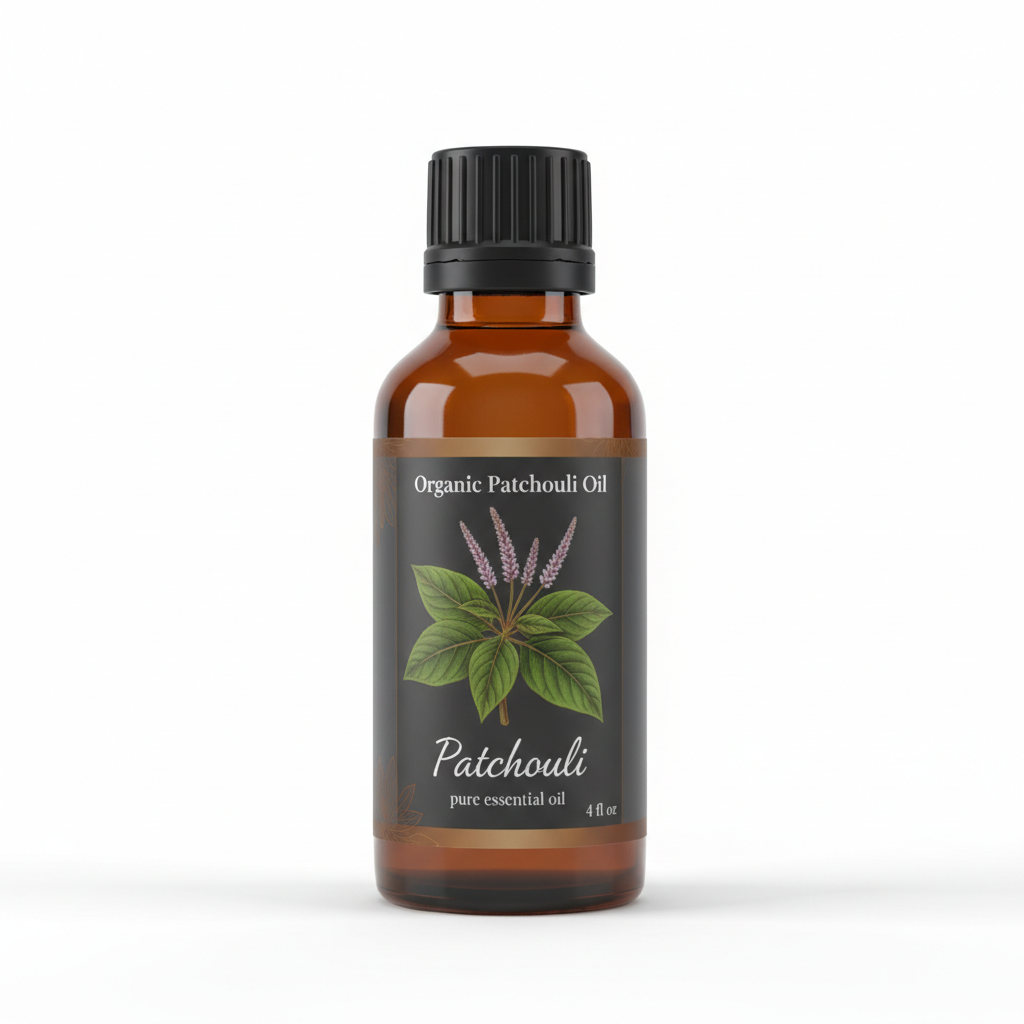
Patchouli vs Vetiver: Leaf Oil or Root Oil?
Both are earthy, both last for hours, but one comes from leaves and one from roots. We compare how they smell, what is in them and which to reach for.
Patchouli vs Sandalwood: Earthy Base or Sweet Wood?
Two classic base notes, two very different moods: dark and earthy against soft and woody. We compare scent, chemistry and the sandalwood labelling trap.

Patchouli vs Cedarwood Oil: Which Base Note?
One smells of forest floor, the other of fresh pencil shavings. We compare patchouli and cedarwood on scent, chemistry and how to blend them.

Indonesian vs Indian Patchouli: Does Origin Matter?
Most patchouli oil is Indonesian, and India buys more than it sells. Here is what an origin on the label really tells you about the oil in the bottle.
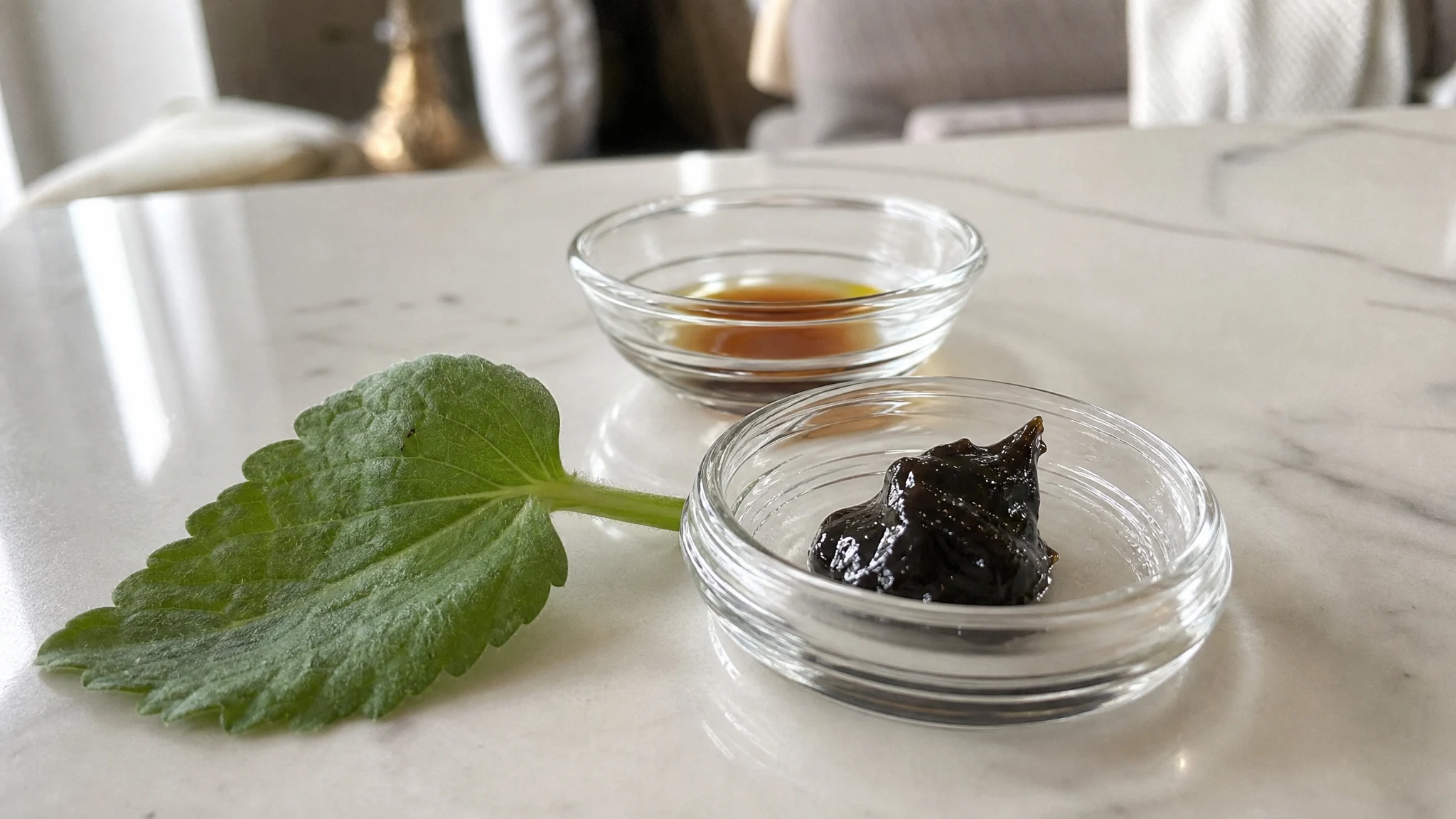
Patchouli Absolute vs CO2 Extract vs Essential Oil
Steam-distilled oil, absolute and CO2 extract all come from patchouli leaf but behave differently. How each is made and why recipes do not transfer.
Best Carrier Oils for Patchouli: Jojoba, Almond, Coconut
Jojoba, sweet almond or fractionated coconut? Pick a carrier for patchouli by how long it will sit and who will use it, with drops per dilution.
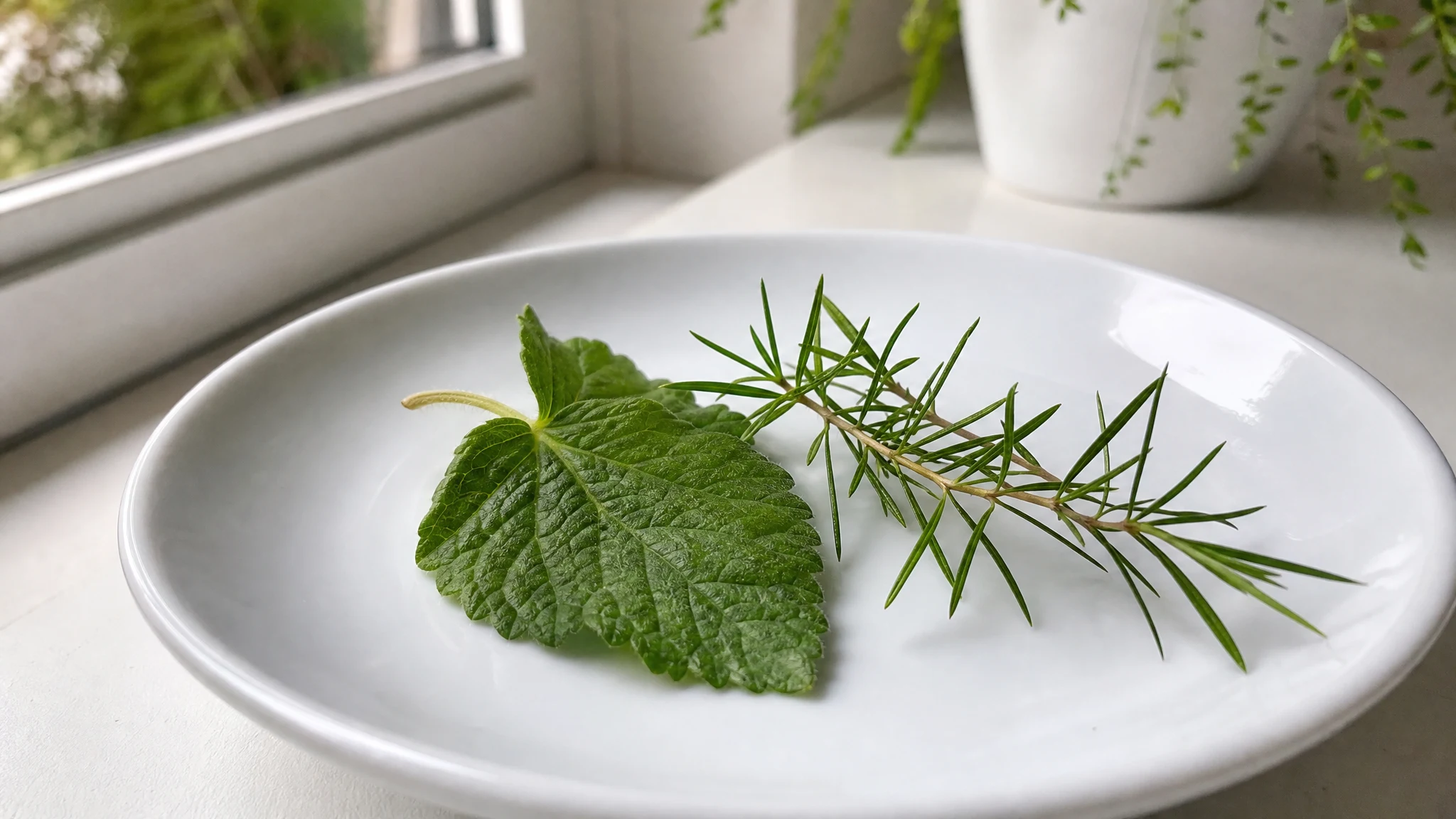
Patchouli vs Tea Tree Oil: Which One Is for You?
Patchouli is earthy and slow; tea tree is sharp and medicinal. How the two oils differ in scent, research record and handling around skin.
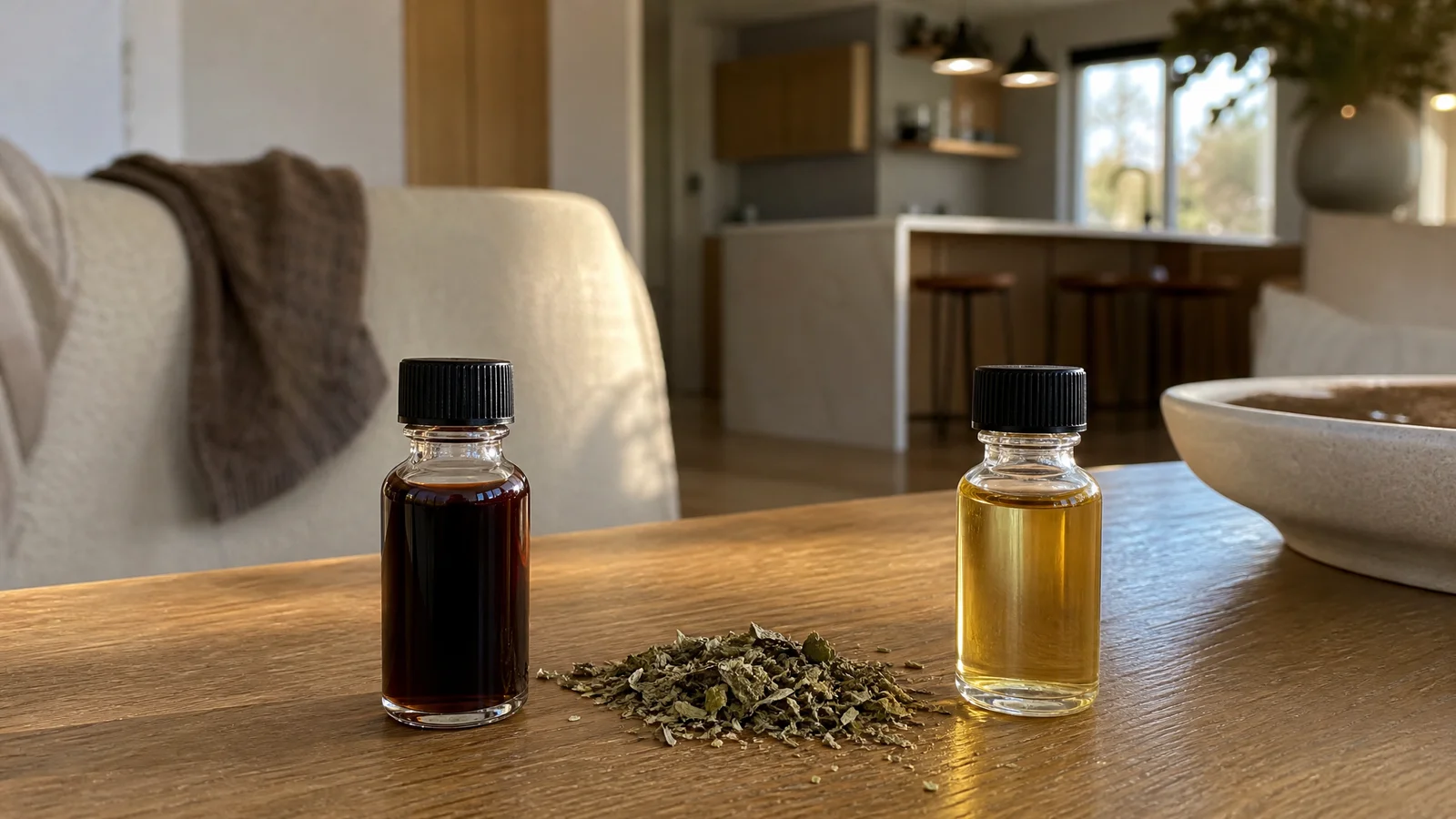
Dark vs Light Patchouli Oil: Does Colour Matter?
Dark and light patchouli oil differ in colour, and iron stills are one reason. What the colour does and does not say about the oil you are buying.
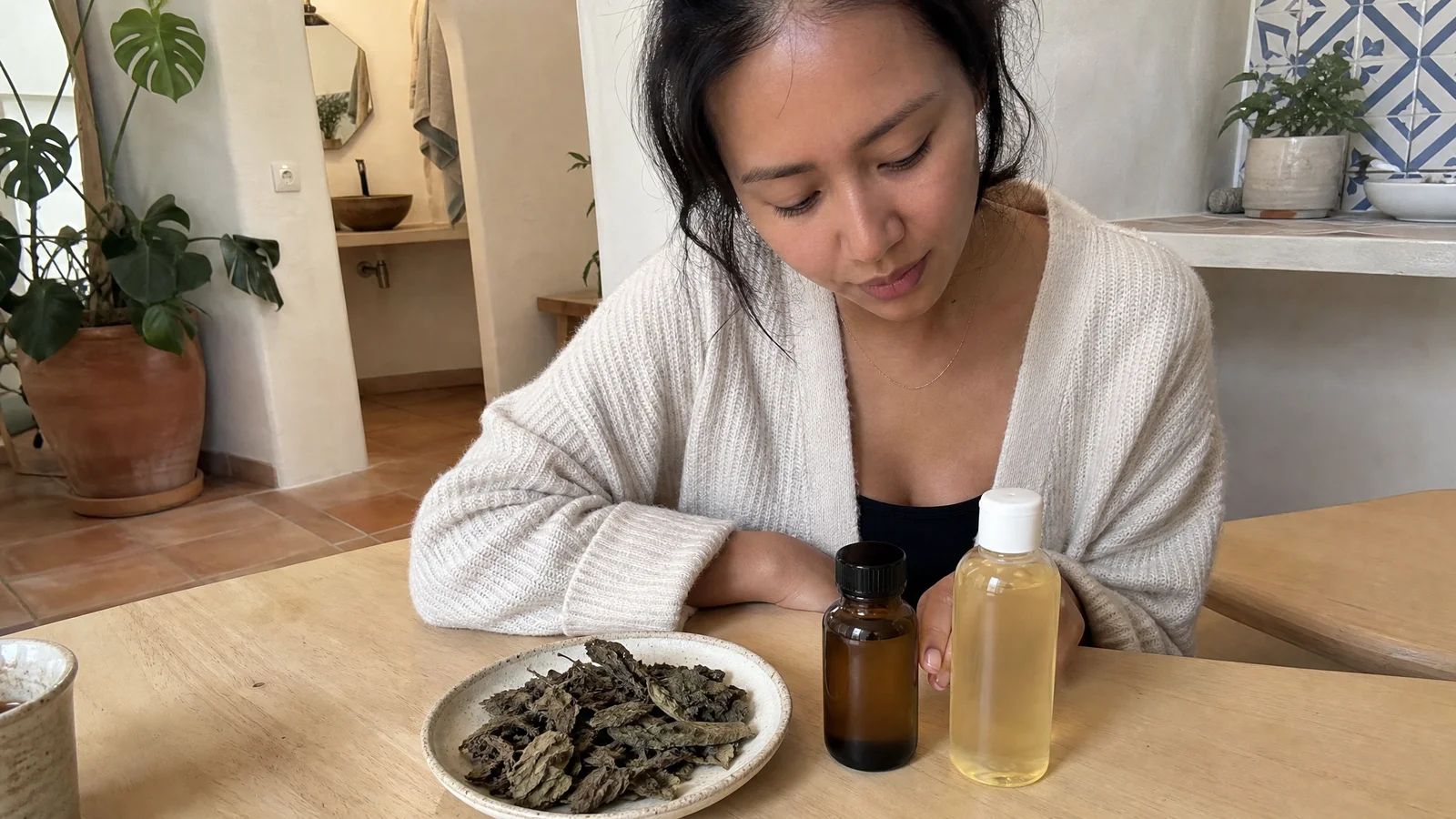
Patchouli Essential Oil vs Fragrance Oil: Read the Label
A bottle that says patchouli may hold leaf oil or a made fragrance. How to tell which one you have and which suits a skin product, candle or diffuser.
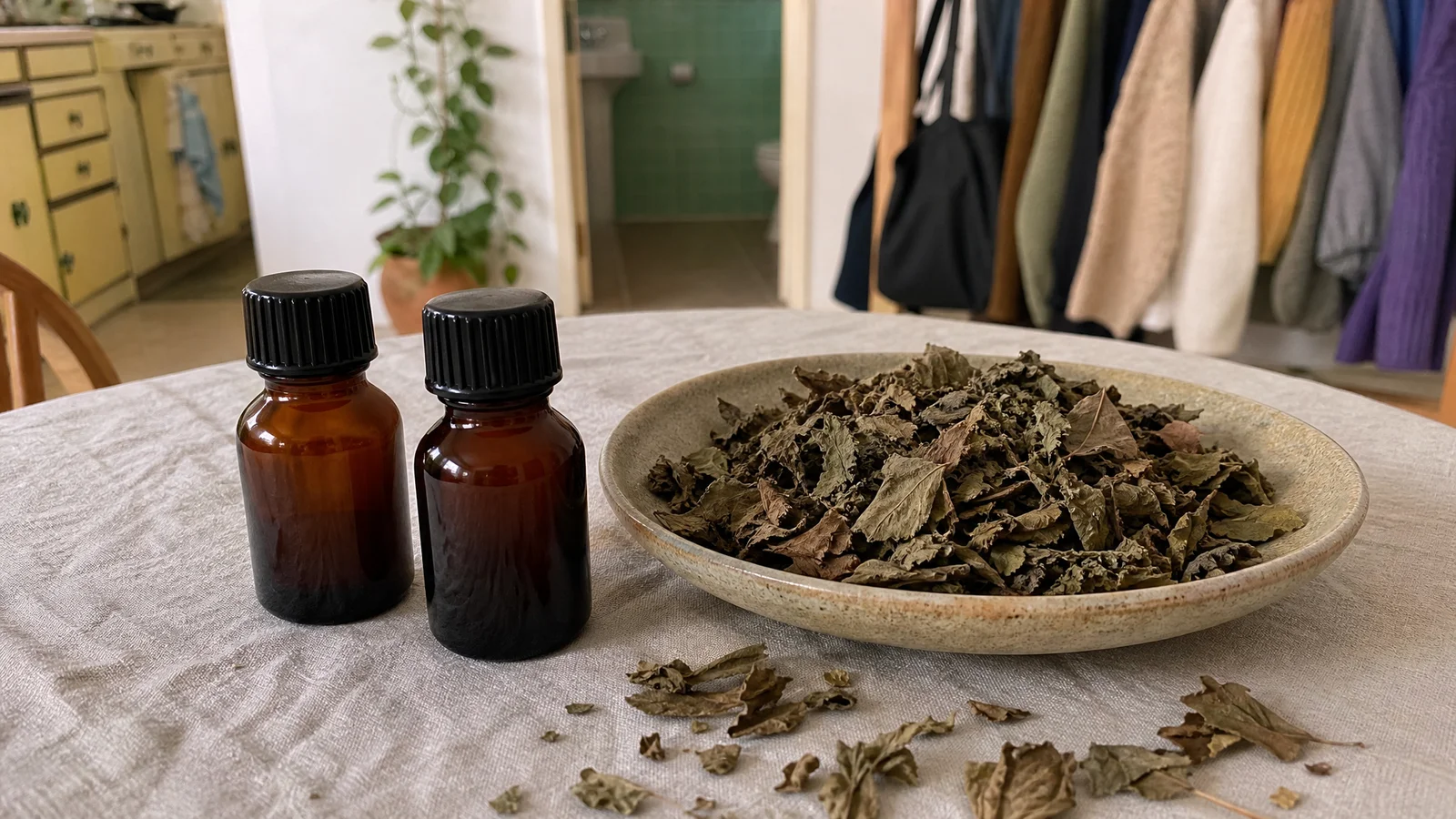
Organic Patchouli Oil: What the Certificate Tells You
An organic certificate tells you how the leaf was grown, not how the oil smells. What it covers, what shapes patchouli, and how to check a seller.