Patchouli Body Oil vs Solid Perfume: Make Either
There are two classic ways to wear patchouli, and they are quite different. A body oil is smoothed over a large area and lets the scent drift softly. A solid perfume is dabbed on a few warm spots and holds the scent close. Because the two put patchouli on skin in different ways, each deserves its own strength, and we have worked both out below.
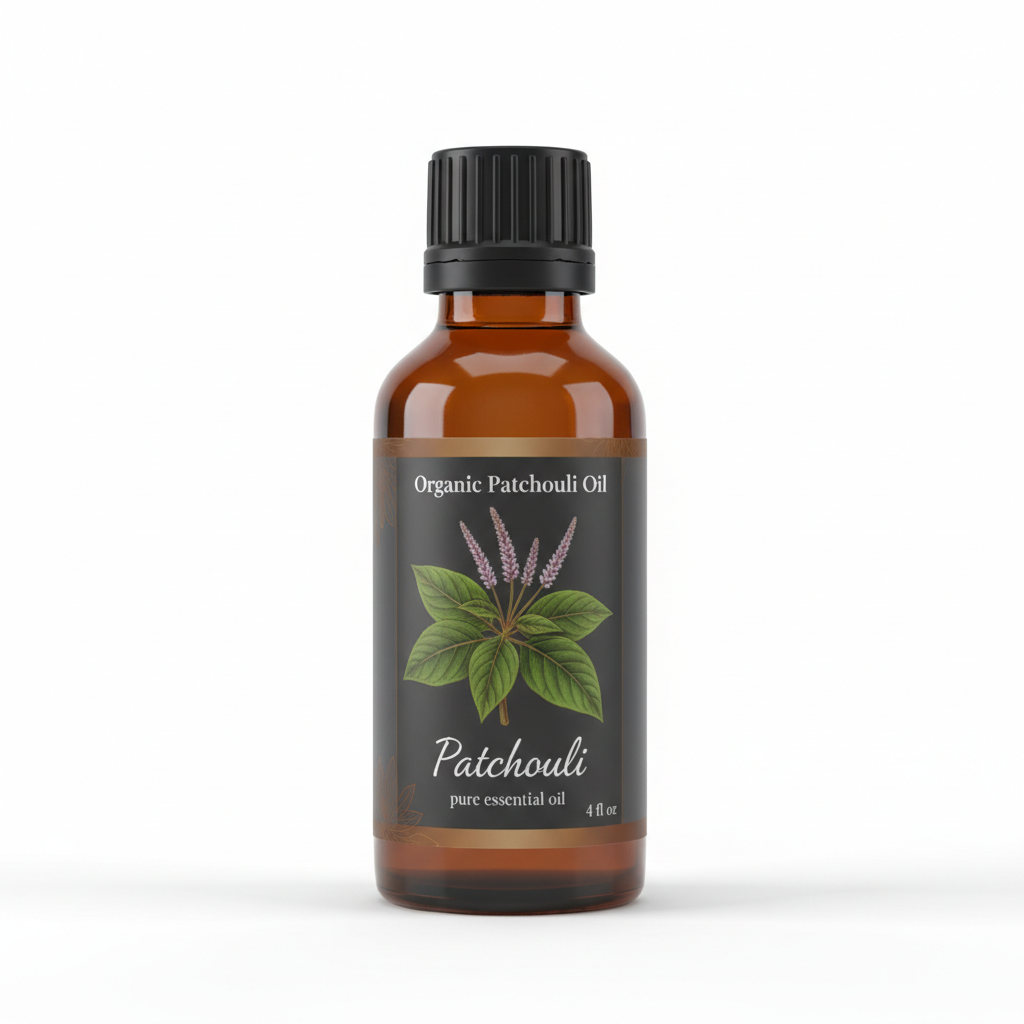
Patchouli Essential Oil
Our own Patchouli Essential Oil, in sizes from 0.5 oz to bulk.
From $20.99
Shop Now →How IFRA sorts them
IFRA's guidance groups finished products into use categories. In its table of attar-style oils, a body-oil use falls in Category 5A and a fine-fragrance use in Category 4. Solid perfume is named in Category 4 beside eau de toilette, parfum and cologne, and that category covers products generally applied to the neck, face and wrists (IFRA, Guidance for the use of IFRA Standards, 51st Amendment, third-party mirror). So a solid perfume is treated as a fine fragrance and a body oil as a body product, and each category carries its own assumptions.
Choosing a strength
For essential oils in general, the Tisserand Institute lists 1% to 3% for body oils and lotions, 0.5% to 1.2% for facial cosmetics, and 0.2% to 1% for sensitive skin, and calls them guidelines (Tisserand Institute, Dilution for essential oils). Our own guidance is 0.5% to 2% in a carrier oil with a patch test first. We suggest working inside our range and starting at 1%, because the European Food Safety Authority classes the patchouli oil it assessed as a skin and respiratory sensitiser (EFSA FEEDAP Panel, 2025). That is a statement about what the oil can do, and it is the reason we begin low and treat 2% as a ceiling, not a target.
Body oil
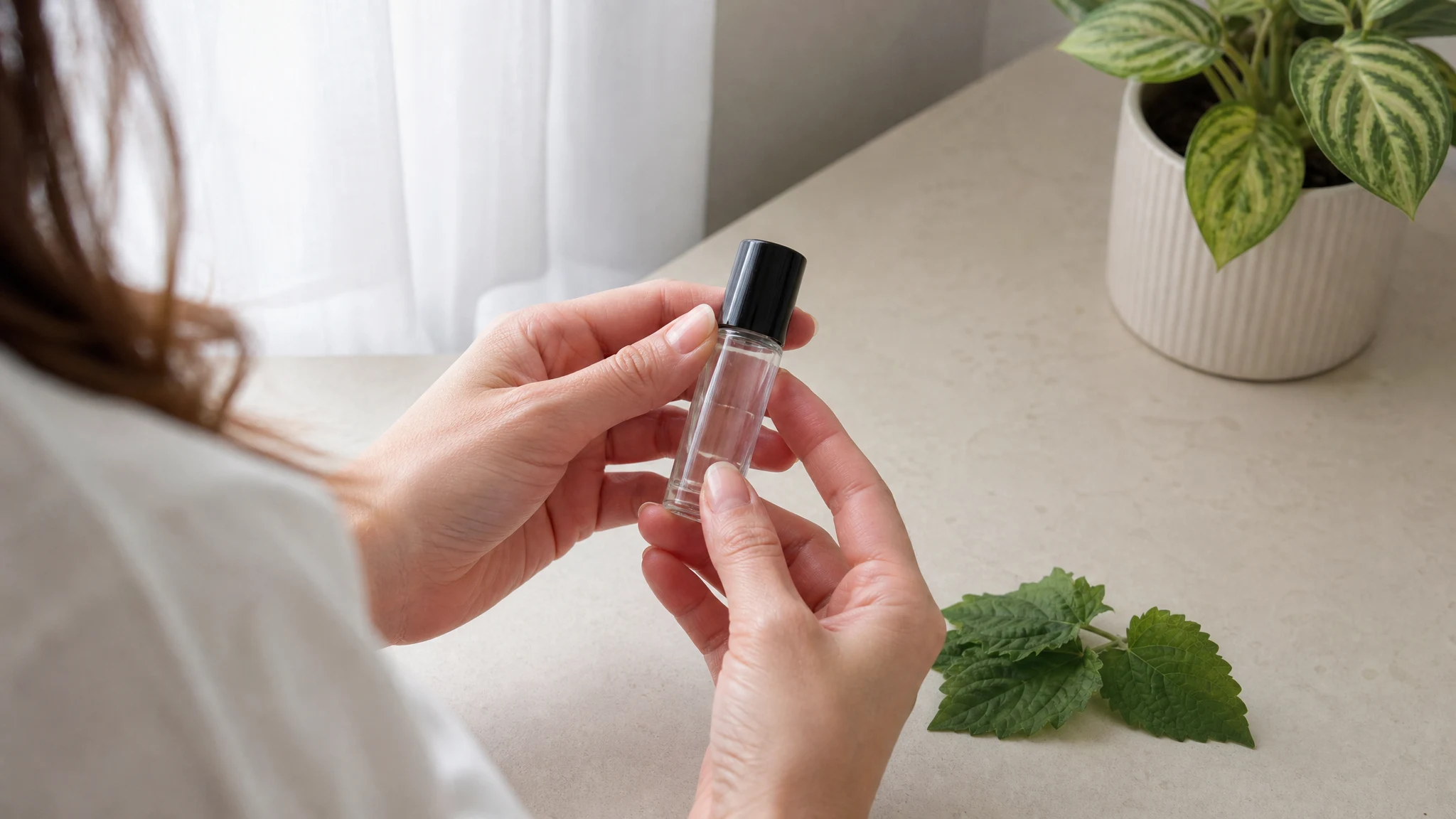
Body oil is the simple one: patchouli in a liquid carrier, no heat required. Carriers come from a craft or supply shop, a pharmacy or a grocery, and our carrier oil comparison covers the usual choices. At roughly 20 drops per ml (droppers vary):
- 30 ml (1 oz) at 1%: 0.3 ml, about 6 drops. At 2%: about 12 drops.
- 100 ml at 1%: 1 ml, about 20 drops. At 2%: about 40 drops.
Keep it for the body, not the face, where the ranges above run lower. A small first bottle is a good idea, since patchouli lingers: one drop too many stays on skin and cloth for days, and a body oil covers a lot of surface.
Solid perfume, by weight
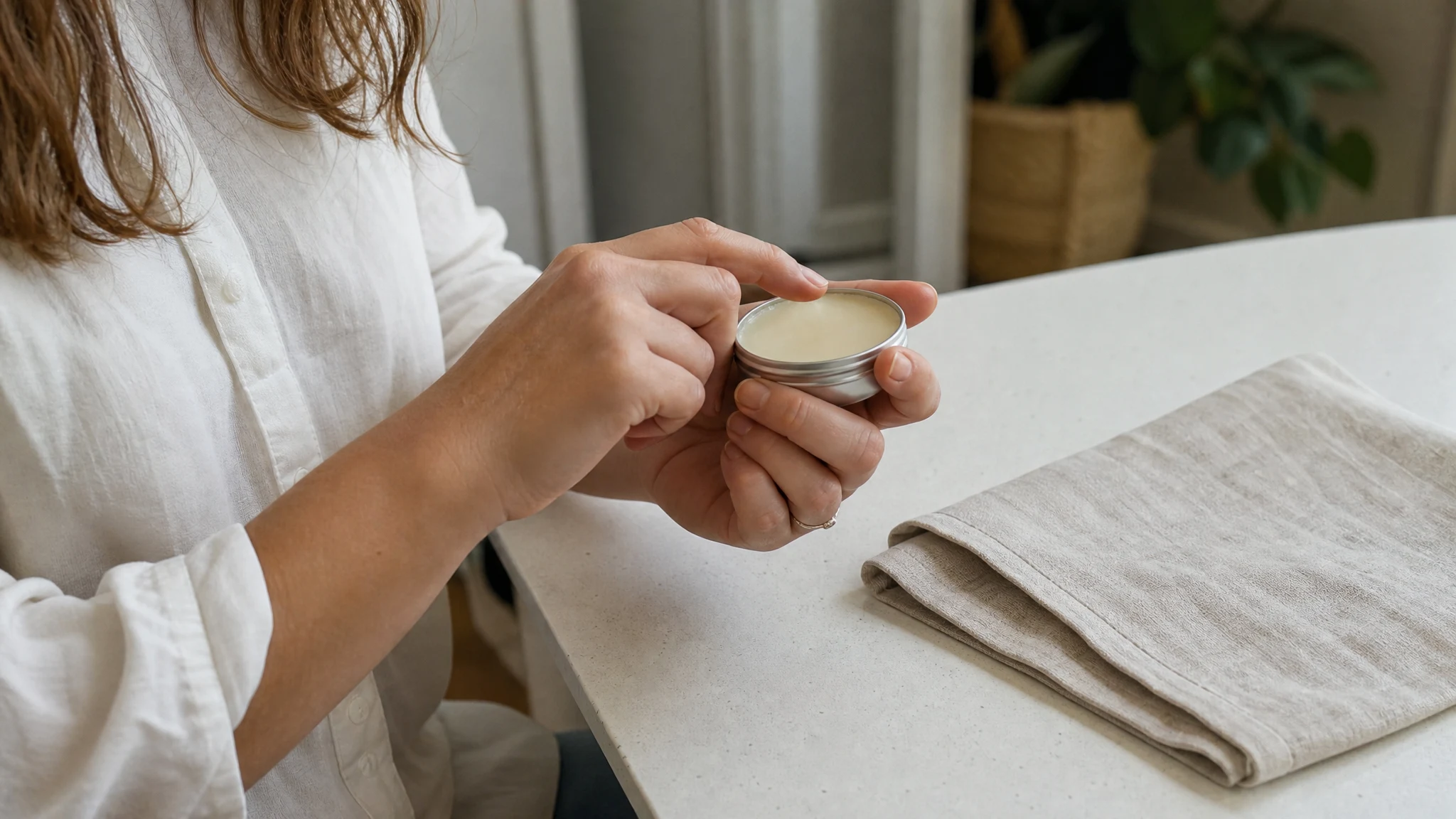
Solid perfume is wax and carrier oil with the patchouli stirred in. The ratio is a matter of craft, and 1 part wax to 3 parts carrier is a suggested starting point, not a standard. More wax makes a firmer balm and more carrier makes a softer one. Weigh in grams for a 20 g batch:
| 20 g batch | At 1% | At 2% |
|---|---|---|
| Patchouli oil | 0.2 g (about 4 drops) | 0.4 g (about 8 drops) |
| Wax | about 4.95 g | about 4.9 g |
| Carrier oil | about 14.85 g | about 14.7 g |
The drop counts assume a density within 0.950 to 0.975 g/ml, the standard range printed on the Certificate of Analysis we publish for one batch. Weigh the oil if the drops and the grams disagree. Because a solid perfume goes on the neck and wrists, stay at 1% if you apply near your face.
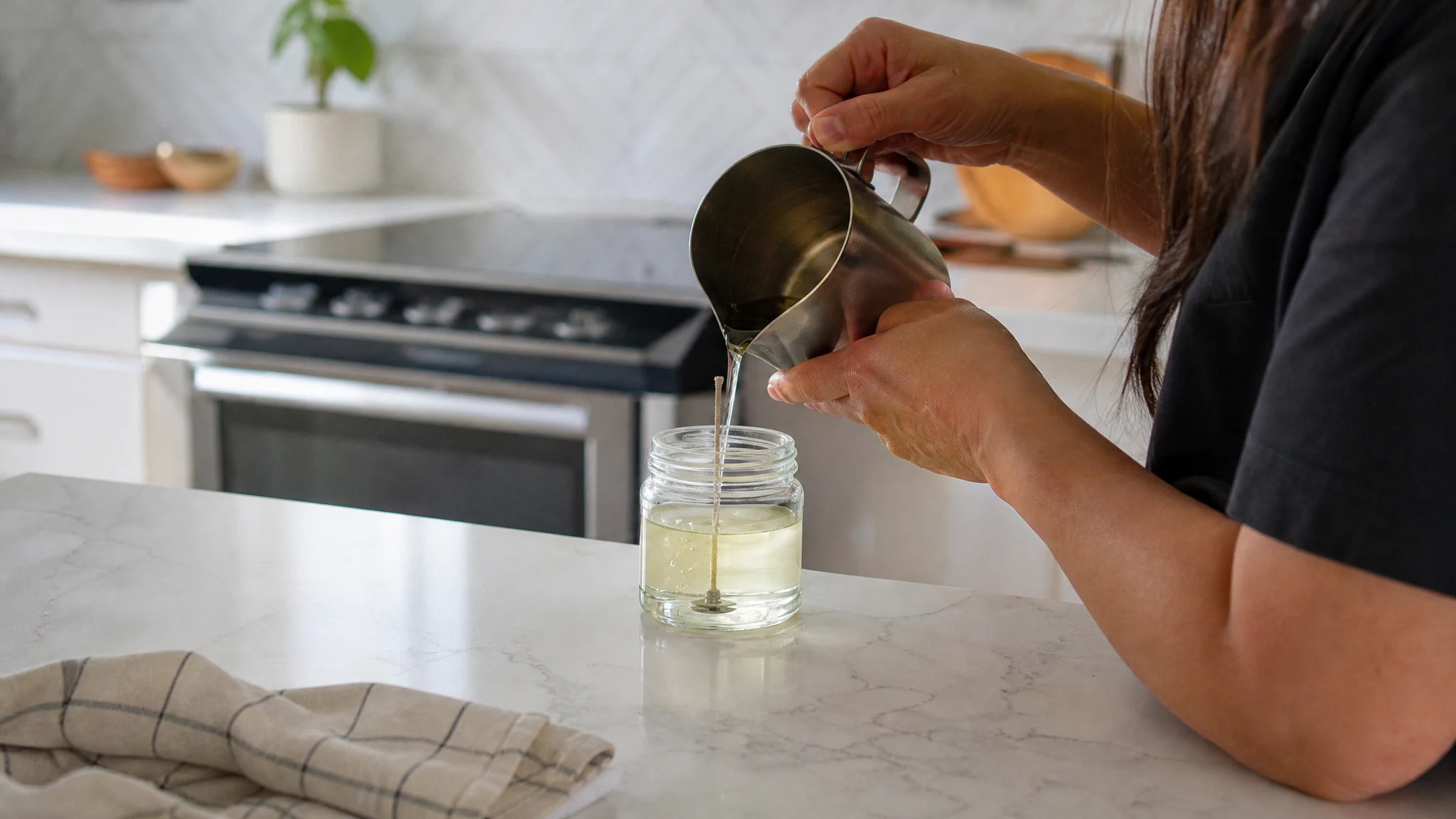
To make it, melt the wax and carrier together in a heat-proof container set in hot water, take it off the heat for a minute or two, then stir in the patchouli. Adding the scent to warm rather than hot wax keeps more of it in the balm, which is common-sense reasoning and a good habit. Pour into a small tin, let it set undisturbed, and label it with the percentage and date.
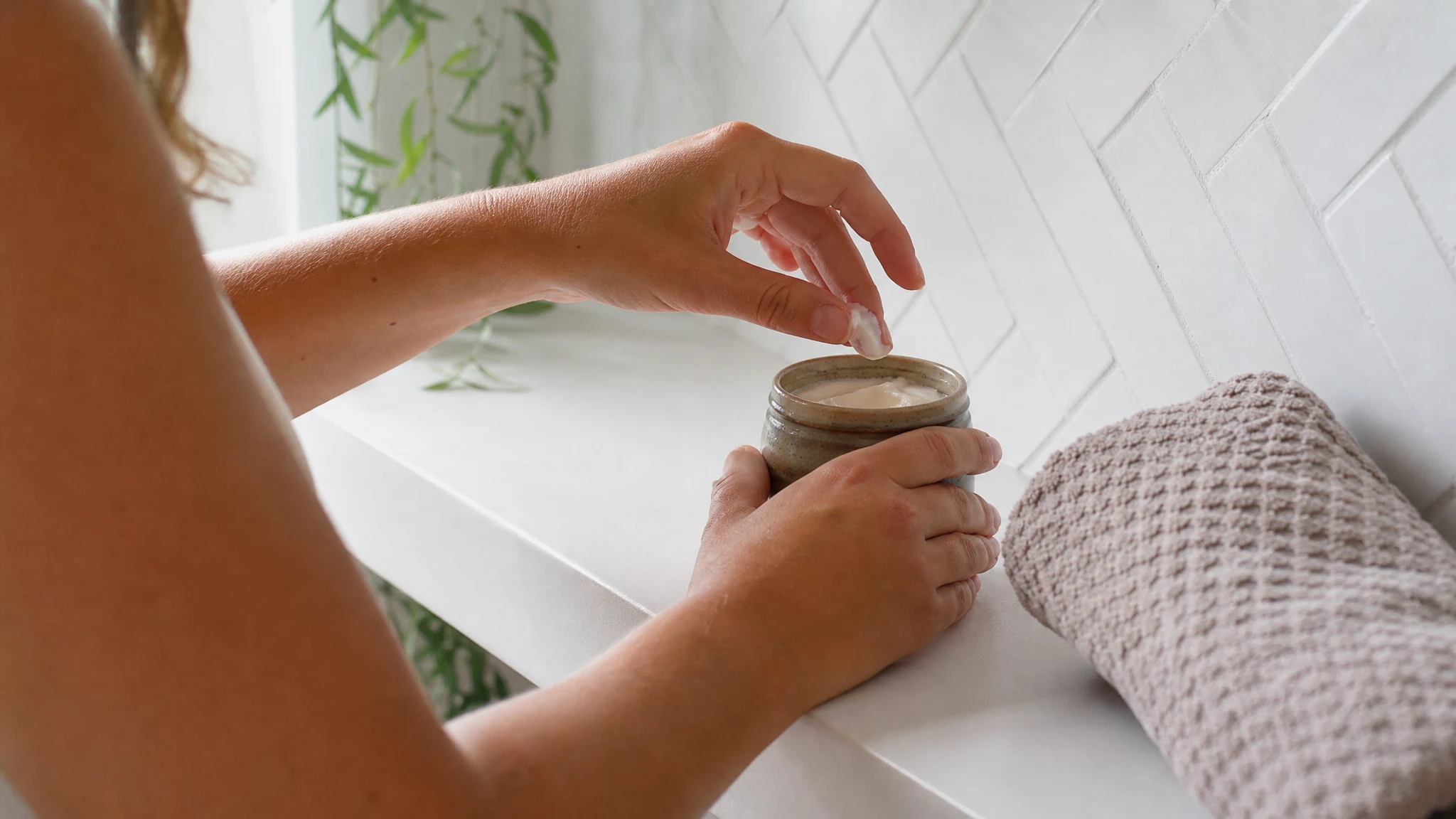
The two feel different in daily life. A body oil goes on in a thin layer after a wash, and you will notice the scent most in the first hour, before it settles into a faint background. A solid perfume sits close to the skin, so you will mostly notice it when you lift a wrist or turn your head. Either one finds its way onto cuffs and collars, which is one more reason to start light and make a small first batch.
Little things worth knowing
Our oil is naturally dark reddish-brown, so a dab on a white collar is visible, and it does not wash out of pale cloth easily. Try a first batch on a hidden patch of fabric, and keep our guide to removing the smell handy. If the scent seems strong, wait a week before adding drops, because a fresh blend is rougher than a settled one. Our patchouli oil mellows noticeably after about a year in the bottle, and a blend tends to follow suit.
Patch test the finished product on a small area first (our patch test article explains what a home test can miss). Poison Control says to stop and wash with soap and water if a rash appears, to keep essential oils out of sight and reach of children and pets, and to call 1-800-222-1222 if one is swallowed (Poison Control, Essential oils: Poisonous when misused). Keep these off broken skin, eyes and babies. Anyone with eczema-prone skin should read our caution article first, and if you are pregnant or nursing, check with your physician before use.
Whichever you make, think of it as a quiet, earthy signature that rewards a light hand.
Patchouli Essential Oil
Patchouli Essential Oil from our own shop, in sizes from 0.5 oz to bulk.
From $20.99
Shop Now →Sources & Further Reading
- IFRA, 2023. Guidance for the use of IFRA Standards, 51st Amendment (third-party mirror). IFRA guidance mirror
- Tisserand Institute. Dilution for essential oils. tisserandinstitute.org/safety/dilution
- EFSA FEEDAP Panel, 2025. Safety and efficacy of a feed additive consisting of an essential oil derived from the leaves of Pogostemon cablin Benth. (patchouli oil) for use in all animal species (FEFANA asbl). EFSA J. PMC12004087
- Poison Control. Essential oils: Poisonous when misused. poison.org/articles/essential-oils