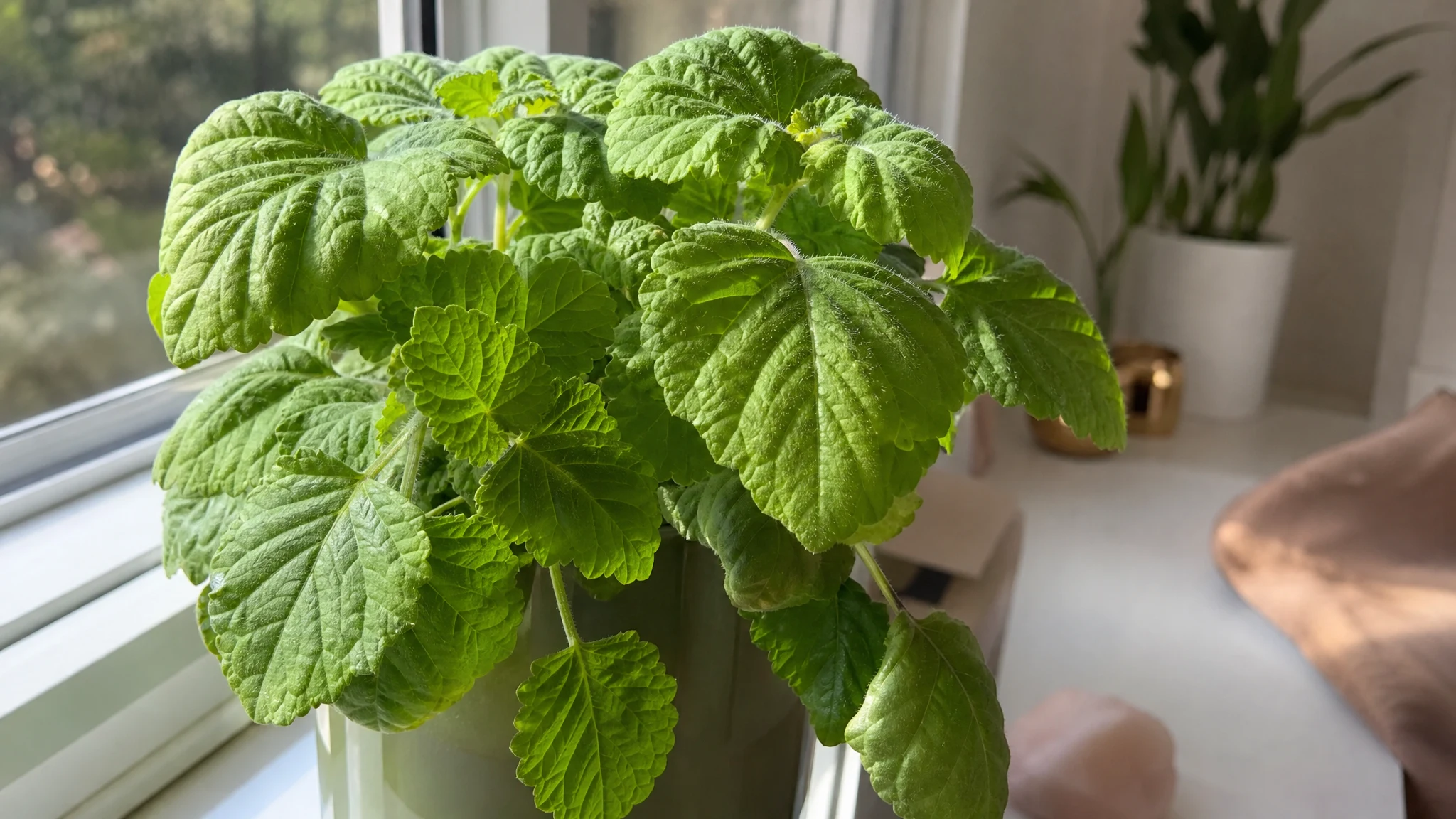
What Does USDA Organic Mean on an Essential Oil Label?
The word "organic" on a bottle of essential oil is a statement about how the plant was grown and handled, backed by records and an inspector. It says nothing about scent, strength or how the oil was distilled, and that is exactly why it is worth reading properly. The good news is that the label gives you everything you need to check it in about five minutes.
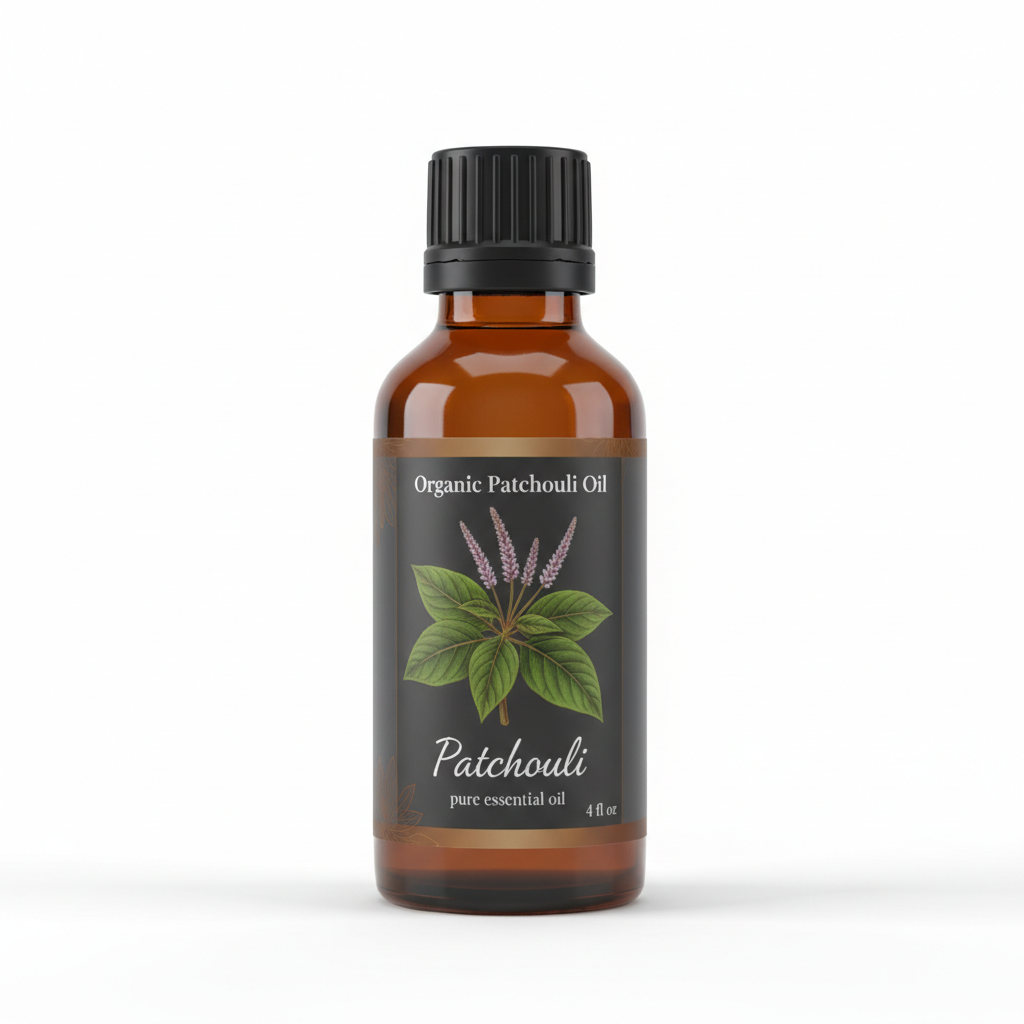
Patchouli Essential Oil
Our own Patchouli Essential Oil, in sizes from 0.5 oz to bulk.
From $20.99
Shop Now →Start with the wording
Federal rules sort organic labels into tiers by how much of the product is organically produced, not counting water and salt. A product called "100 percent organic" must be entirely organic, and one simply called "organic" must be at least 95 percent organic (7 CFR § 205.301 - Product composition. | Electronic Code of Federal Regulations (e-CFR) | US Law | LII / Legal Information Institute). Below those sit "made with organic" claims for products with at least 70 percent organic content.
For a single-ingredient oil the math is simple, because there is only one ingredient. That is our reasoning from the percentages rather than a rule written for essential oils, but it means "organic" or "100 percent organic" is the wording to expect on a one-ingredient bottle, and a "made with organic" line on one is a fair thing to ask about.
Find the certifier line
The most useful words on the label are often the smallest. A packaged product labeled "organic" or "100 percent organic" and sold with a certifier statement should show, on the information panel under the handler's details, a line such as "Certified organic by" followed by the name of the certifying agent (7 CFR § 205.303 - Packaged products labeled “100 percent organic” or “organic.” | Electronic Code of Federal Regulations (e-CFR) | US Law | LII / Legal Information Institute). That line names an accredited certifier, not the seller, and it is the thread you pull to confirm everything else.
When a seller holds no certificate of its own
Not every organic seller is certified itself, and that is not automatically a red flag. The federal exemptions cover very small operations, with organic sales of five thousand dollars or less a year, and retail businesses that do not process organic products. Exempt operations still have to follow the organic production, handling and labeling rules, but they are excused from formal certification (7 CFR § 205.101 - Exemptions from certification. | Electronic Code of Federal Regulations (e-CFR) | US Law | LII / Legal Information Institute). A shop that resells sealed, already-labeled bottles is in a different position from one that fills bottles from bulk, because filling bottles is handling, and the regulations define a handler as any person who handles agricultural products apart from final retailers that do not process them (7 CFR § 205.2 - Terms defined. | Electronic Code of Federal Regulations (e-CFR) | US Law | LII / Legal Information Institute). Whether an essential oil counts as an agricultural product is our reading of a broad definition, so it is a good thing to confirm with the certifier you are asking.
The practical question to put to any seller is this one: who is the handler for the bottle in my hand, and what is their certificate?
Imports leave a paper trail
Patchouli is a tropical crop, so organic oil sold in the United States has most likely crossed a border, which is our inference from where the plant grows. A 2023 USDA final rule made National Organic Program import certificates mandatory for organic products entering the country, with compliance required from 19 March 2024, and it brought importers and brokers handling organic products under certification too (Federal Register, Volume 88 Issue 12 (Thursday, January 19, 2023)). For you, that means organic oil that arrived after that date should have a certified chain behind it, and a seller can usually tell you who its importer is.
Take two minutes with the database
USDA keeps a public record of certified operations, the Organic Integrity Database (Organic Integrity Database). Search for the operation and the certifier on the label, and check four things: the name matches, the status is current, the scope covers what is being sold, and the product category fits the ingredient. It takes less time than reading a product description, and it tells you more.
Making it a habit
Checking a label sounds like homework, but it quickly becomes routine. Keep a note on your phone with the name of the product, the certifier line and the date you looked it up. When you reorder, you have a record, and you can see at a glance whether anything has changed. It takes a minute and it is a comfortable way to shop.
It also pays to be friendly about it. Most small sellers are glad to hear from someone who reads labels, and a clear, quick reply is a good sign. We would rather answer a careful question than have a customer guess.
Asking us
We sell a patchouli leaf oil and describe it as organically grown. If organic status is a requirement for your purchase, ask us through the contact page for the certifier name, certificate number and scope in writing, and then run them through the database as above. Do the same with anyone you buy from. Our companion pieces on organic versus conventional patchouli and on reading a patchouli label cover the rest of what a label can and cannot say.
An organic label is a good starting point. The certifier line and a quick lookup are what turn it into something you can rely on.
Patchouli Essential Oil
Patchouli Essential Oil from our own shop, in sizes from 0.5 oz to bulk.
From $20.99
Shop Now →Sources & Further Reading
- 7 CFR § 205.301 - Product composition. | Electronic Code of Federal Regulations (e-CFR) | US Law | LII / Legal Information Institute
- 7 CFR § 205.303 - Packaged products labeled “100 percent organic” or “organic.” | Electronic Code of Federal Regulations (e-CFR) | US Law | LII / Legal Information Institute
- 7 CFR § 205.101 - Exemptions from certification. | Electronic Code of Federal Regulations (e-CFR) | US Law | LII / Legal Information Institute
- 7 CFR § 205.2 - Terms defined. | Electronic Code of Federal Regulations (e-CFR) | US Law | LII / Legal Information Institute
- Federal Register, Volume 88 Issue 12 (Thursday, January 19, 2023)
- Organic Integrity Database, USDA Agricultural Marketing Service