How to Read a Patchouli Oil Label, Line by Line
A patchouli label is a small piece of writing with a big job. Some of its lines you can check, some you can only take on trust, and some are an invitation to ask the seller for a document. Learning which is which makes the shelf a lot easier to read, so let's go through a label line by line.
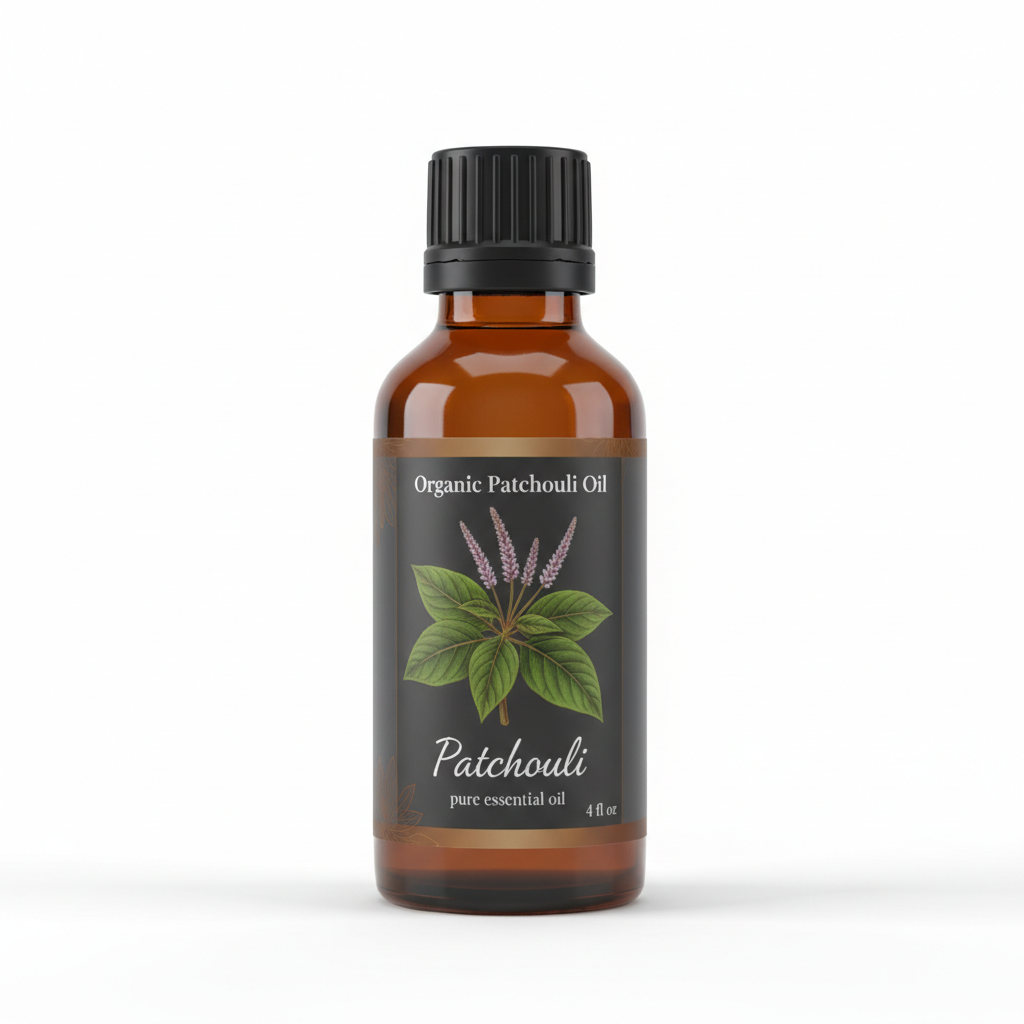
Patchouli Essential Oil
Our own Patchouli Essential Oil, in sizes from 0.5 oz to bulk.
From $20.99
Shop Now →The ingredient line
For a cosmetic product sold in the US, 21 CFR 701.3 requires each ingredient to be declared in descending order of predominance, and lets a fragrance be declared simply as "fragrance". The section sets out which names to use, starting with the established cosmetic-ingredient name, but the text does not mention botanical names. That is why a label reading "patchouli" tells you less than one naming Pogostemon cablin leaf oil, and one that says only "fragrance" may not contain the plant's oil at all. The FDA's own page on fragrances adds that the term can cover a mix of natural and synthetic ingredients. If a carrier oil is listed first, the bottle is mostly carrier, and the price comparison changes; our price guide shows how.
The process matters as much as the plant. Steam distillation gives the essential oil, while solvent and supercritical CO2 routes give an absolute or extract with a different composition, as our comparison explains. Our bottle label carries the product name, the botanical name and the size, and the Certificate of Analysis we publish names a steam-distilled leaf oil.
The origin line
A country on a label can mean where the plant grew, where the leaf was distilled or where the oil was bottled, and the label rarely says which. PROSEA reports that over 80% of the world's roughly 1,000 tonnes in 1995 came from Sumatra, which is why Indonesia appears on so many bottles. That is a dated number, and the plant itself complicates the story: a 2015 review describes two chemical types of Pogostemon cablin, so variety and plant part shape the oil as much as geography does. Our Indonesian versus Indian article looks at the numbers.
The practical move is to ask in writing where the leaf was grown and where it was distilled, and for the document that records it. The same goes for ours: if origin matters to your product, ask us in writing through the contact page and keep the reply.
The metal and the age statement
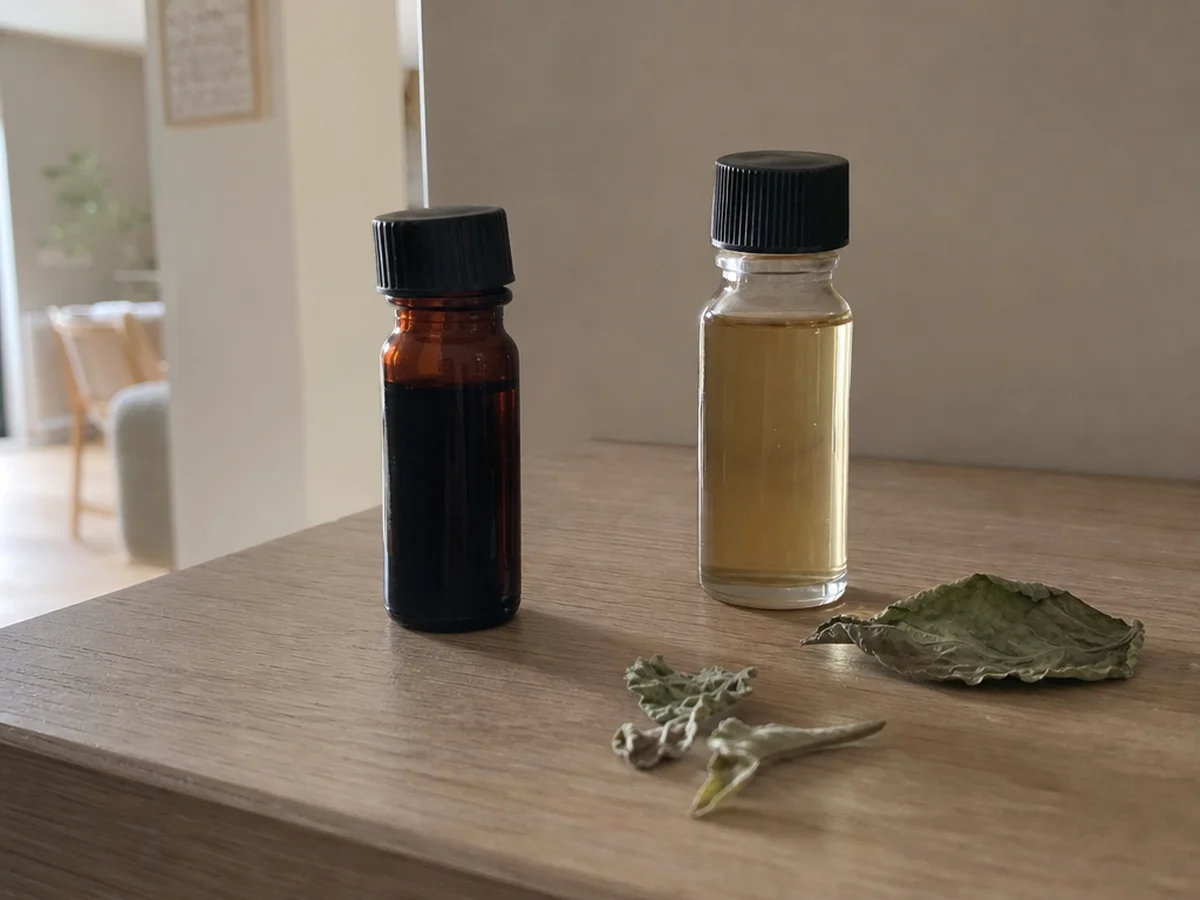
Still material is a favourite talking point among patchouli sellers, and it is a lovely subject for conversation, but a bottle cannot demonstrate it. Treat "iron still" or "stainless" as a question about process, not a mark of quality. PROSEA does say something useful about colour: Indonesian-distilled oil is dark orange or brownish and oil distilled in Europe or the US is pale orange or amber, so colour tracks where an oil was made. Our dark versus light article covers the cases.
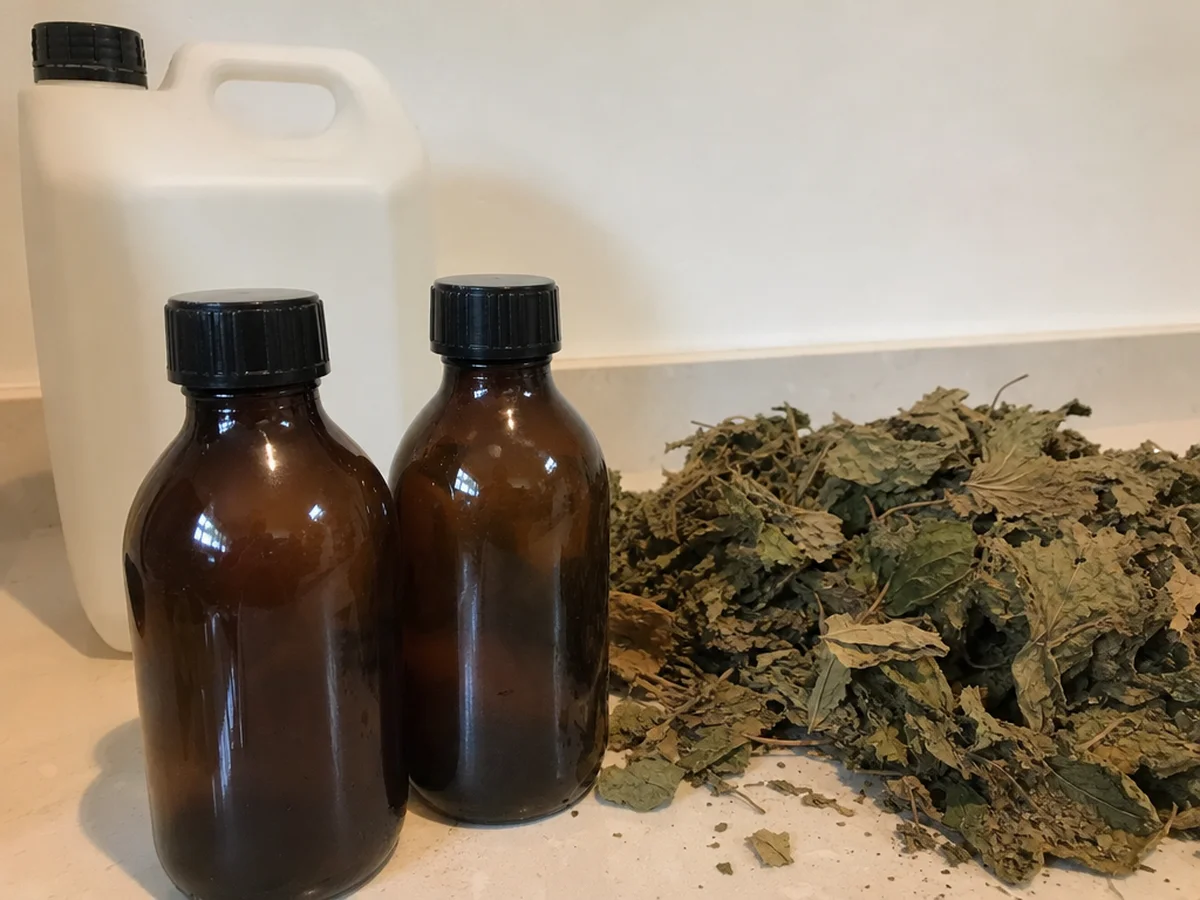
Age is more interesting. PROSEA says patchouli oil is stored after distillation to mature, so an age statement can mean something. Look for a date, though, not an adjective: "aged", "vintage" and "mature" without a distillation or bottling date tied to a batch number cannot be checked. A bottle that says a number of years with no batch record offers the same lack of detail. We make no age claim for any individual bottle, only the general point that patchouli mellows and rounds out with time.
The organic line
An organic claim describes how a crop was grown and handled, and it should come with paperwork. Federal rules define organic production as a system "managed in accordance with the Act and regulations", and they define an agricultural product as one marketed for human or livestock consumption. Whether the National Organic Program label rules apply to an oil sold for aroma and skin use is a question for the seller. What you can always ask for is the certifier's name, the certificate number and the scope, in writing, and verify it in the USDA Organic Integrity Database. Ask us the same questions about ours. Our decoder article shows the lookup.
Purity words and safety lines
Slogans such as "lab tested" or a grade name have no fixed meaning on a bottle. Their worth is whatever document sits behind them: which test, which laboratory, which batch. The Certificate of Analysis we publish is for one batch, and our GC-MS guide shows what a full report would add.
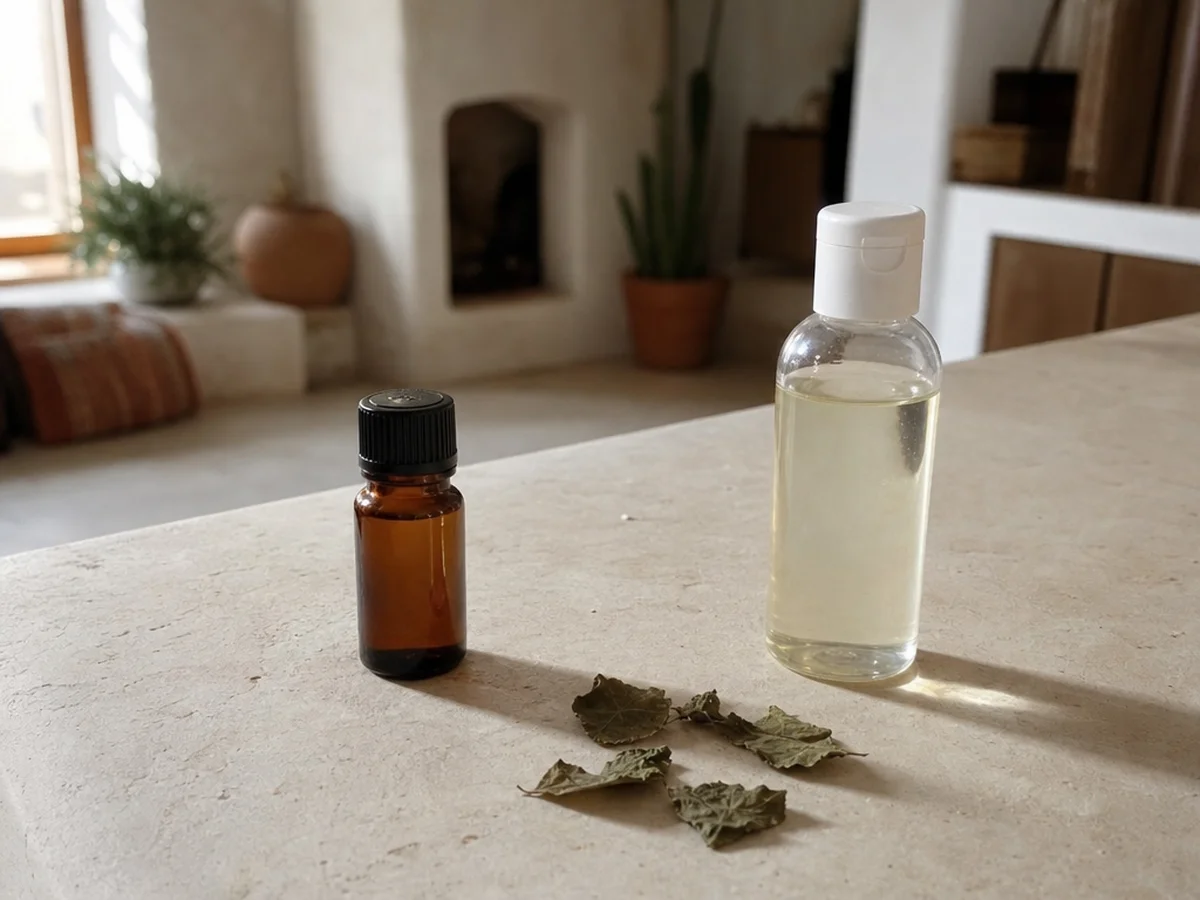
Finally, read the safety lines. A good label says the oil is for external use only and is not for use undiluted. We recommend diluting to 0.5% to 2% in a carrier oil, patch testing first, and keeping the oil away from eyes, children and pets. We would start at the lower end, since the European Food Safety Authority describes the patchouli oil it assessed as an irritant to skin and eyes and a dermal and respiratory sensitiser. That is an opinion about a feed additive and not a cosmetic limit, but it is a reason for care, and our dilution chart has the drops.
One last thing we like to tell people: read the label the way you would taste a wine list, slowly and with the bottle in your hand. Turn it over, find the small print, and notice what is missing as well as what is there. A label that tells you plenty in a calm, plain way is usually from someone who expects you to read it.
A quick checklist
- Botanical name and plant part shown?
- One ingredient, with no unexplained "fragrance" or carrier?
- Process named (steam distilled, absolute, CO2)?
- A batch number and date you can match to a document?
- Any organic claim backed by a named certifier and number?
- External-use warning and dilution guidance?
Whatever the label leaves out, a seller can usually answer by email, so ask politely and keep the reply.
Patchouli Essential Oil
Patchouli Essential Oil from our own shop, in sizes from 0.5 oz to bulk.
From $20.99
Shop Now →Sources & Further Reading
- 21 CFR 701.3 - Designation of ingredients. (Legal Information Institute). law.cornell.edu/cfr/text/21/701.3
- 7 CFR 205.2 - Terms defined. (Legal Information Institute). law.cornell.edu/cfr/text/7/205.2
- Fragrances in Cosmetics | FDA. fda.gov/cosmetics/cosmetic-ingredients/fragrances-cosmetics
- Pogostemon (PROSEA) - Pl@ntUse. plantuse.plantnet.org/en/Pogostemon_(PROSEA)
- A Comprehensive Review on the Phytochemical Constituents and Pharmacological Activities of Pogostemon cablin Benth.: An Aromatic Medicinal Plant of Industrial Importance. Molecules, 2015. pmc.ncbi.nlm.nih.gov/articles/PMC6272783
- Safety and efficacy of a feed additive consisting of an essential oil derived from the leaves of Pogostemon cablin Benth. (patchouli oil) for use in all animal species (FEFANA asbl). EFSA Journal, 2025. pmc.ncbi.nlm.nih.gov/articles/PMC12004087