Patchouli Traditions: What History Actually Records
Ask what patchouli means and you will hear many answers: grounding, sacred, protective, a symbol of an era. Some of those are old, some are new, and some are a matter of personal belief. It is worth sorting out which is which, because the well-documented history is richer than the slogans.
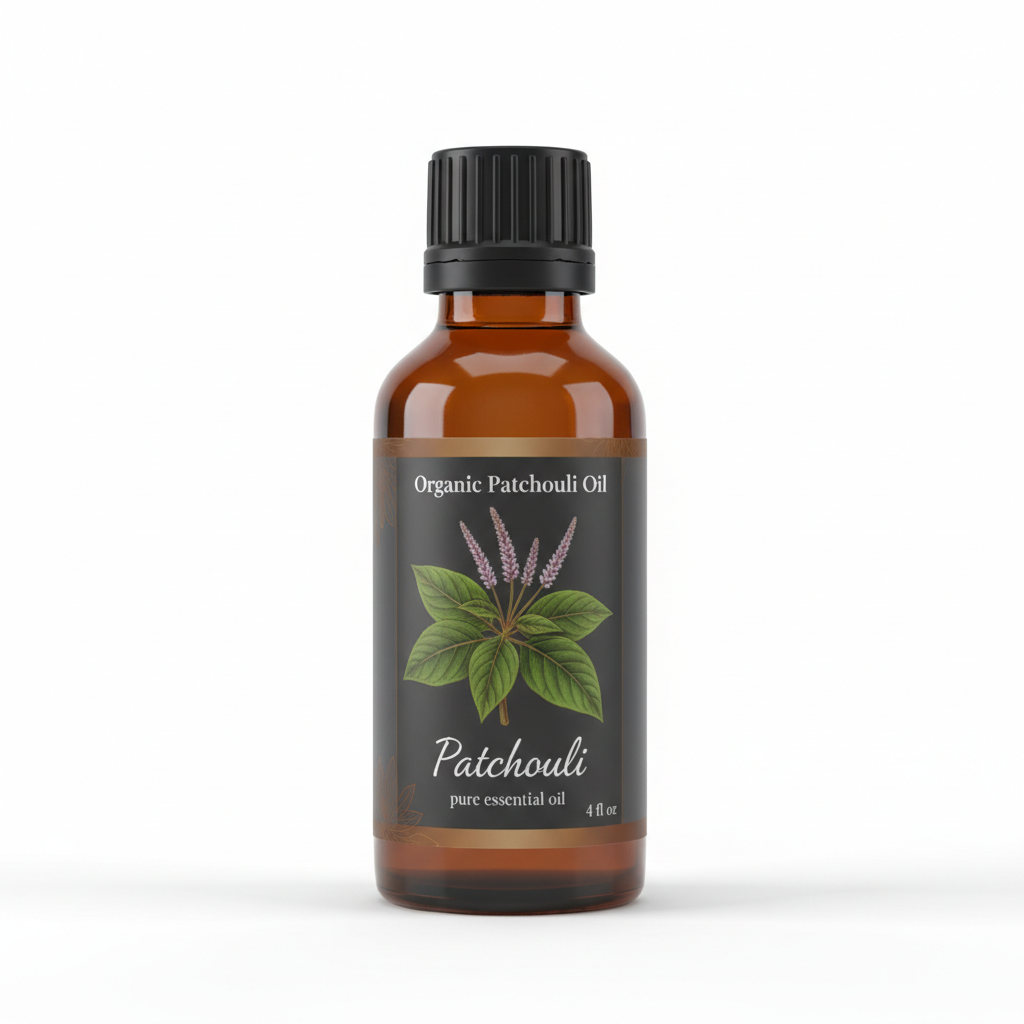
Patchouli Essential Oil
Our own Patchouli Essential Oil, in sizes from 0.5 oz to bulk.
From $20.99
Shop Now →A herb with a long record
Two reviews give a good picture. Swamy and Sinniah (Molecules, 2015) say patchouli is part of traditional Chinese medicine, where the herb, called Pogostemoni Herba, is used in ways described as removing dampness and relieving summer heat, and that it appears in Ayurvedic, Unani and Siddha preparations. They add that in China, Japan and Malaysia it has been used for colds, headaches, nausea, stomach upsets and insect and snake bites.
Chen and colleagues (Chinese Medicine, 2021) say the herb, known as Guanghuoxiang, has been used in traditional Chinese medicine since the Eastern Han dynasty, and name two patent medicines that contain it. They also make a point we think is wise: despite more than 2,000 years of use in China, current understanding of its systemic safety remains inadequate.
We report those traditions as history, not as advice. They concern the dried herb, usually taken as decoctions or oral preparations. Our oil is for aromatic and cosmetic use only, never for internal use, and we do not suggest copying any oral tradition. Anyone considering one should speak to a licensed clinician.
Why we like the old stories anyway
We love a good origin story, and patchouli has more than most. A leaf that perfumed ink, slipped between folded clothes and travelled in the folds of cloth across continents is a lovely thing to picture. Whenever we pick up the bottle, that long journey is part of the pleasure, even though a bottle of oil is a very different thing from a bundle of dried leaves.
If the history interests you, a gentle way in is to read it as a story about people and trade: who grew the plant, who carried it, and what they used it for. Medicine is one thread in that story, and fragrance and cloth are others. Keeping the threads separate makes the whole picture clearer.
The herb is not the oil
This is the distinction most "traditional use" pages blur. The oil is a separate, concentrated product made by steam distillation of the shade-dried leaves, as Swamy and Sinniah describe. A decoction of dried herb in a medical system tells you nothing about a bottle of oil, which is why we keep the two apart.
Where the plant came from
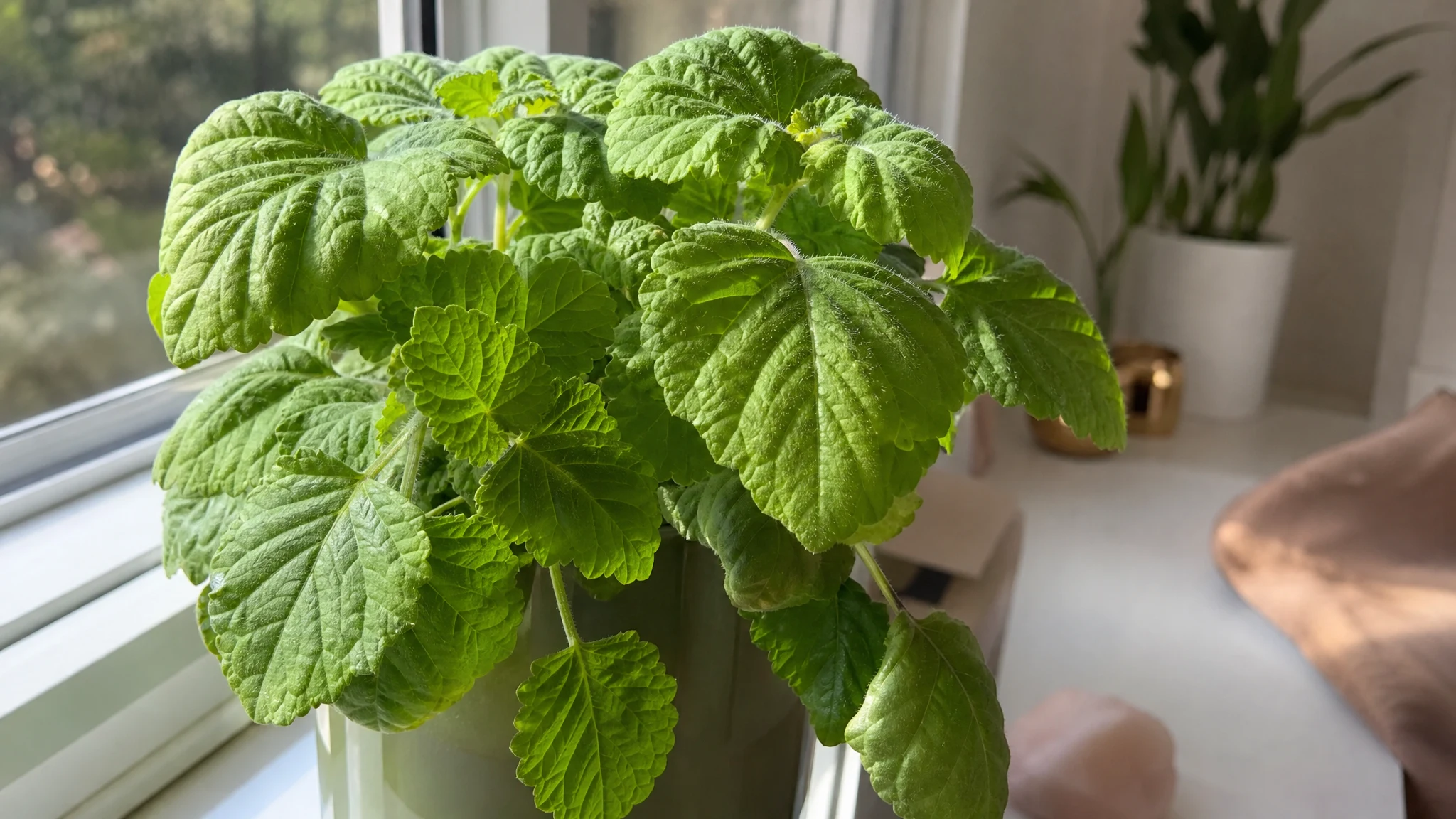
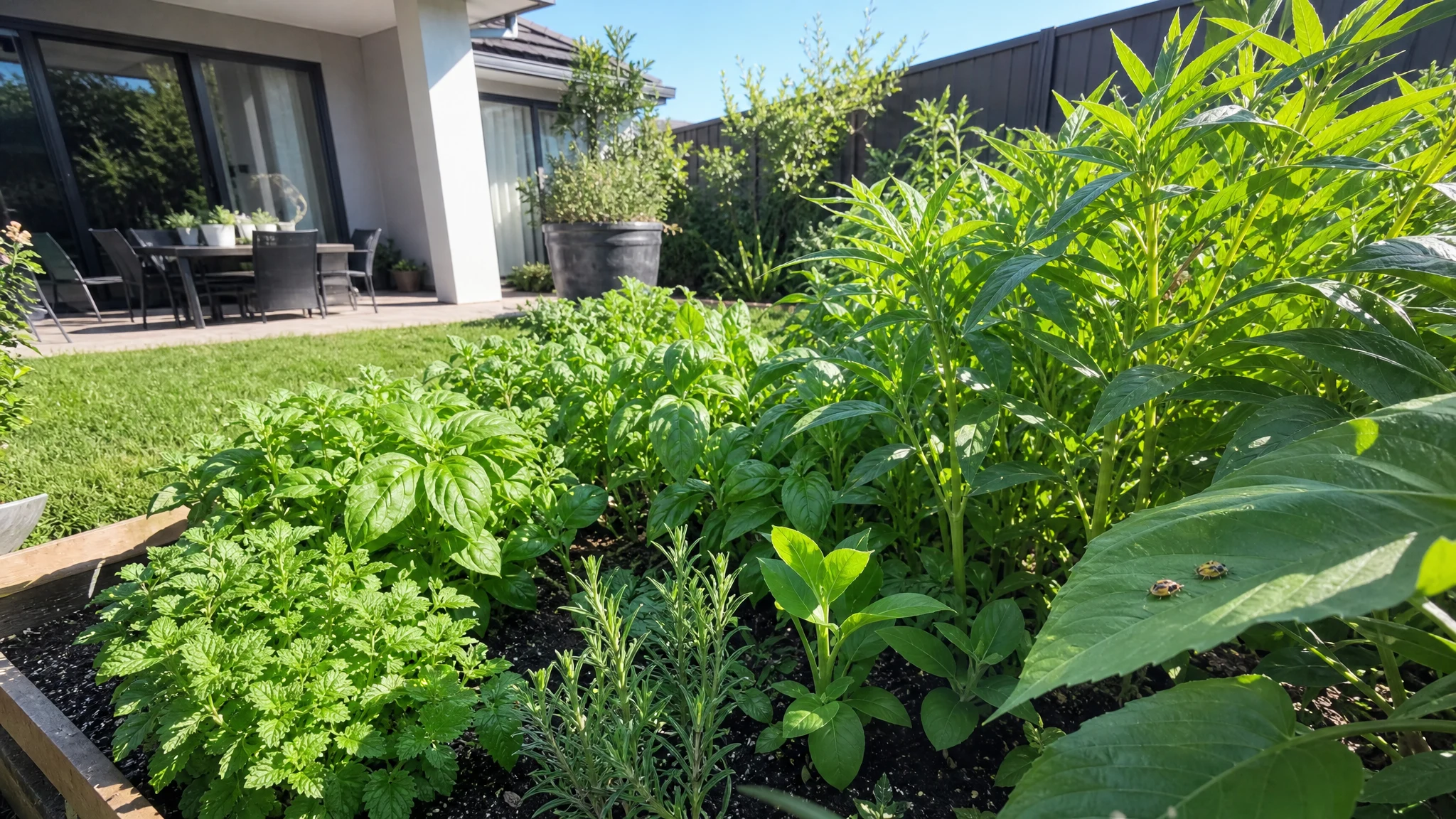
Swamy and Sinniah give the plant as native to the Philippines, with the name cablin coming from a local name, cabalam, and commercial growing today in India, Indonesia, Malaysia, China and several other countries. PROSEA adds that patchouli was probably grown in China some 2,000 years ago and used to perfume ink, and that dried leaves were tucked between stored clothing. That is a story of trade, cloth and fragrance as much as medicine. The shawls that carried the scent to Europe are part of it, and our history article follows that thread.
Where modern meaning begins
In the reviews we read, the cultural references are medicinal and botanical. We did not find a source in them for ritual, religious or temple use, so we will not repeat the line that patchouli has been burned in temples for centuries, which appears online without a citation. That does not mean the plant has no meaning for anyone. Modern aromatherapy and wellness writing often calls patchouli grounding, and for many people it is. The sense is easy to understand: it is a heavy, slow-fading base note, and we describe it that way, as a base note and natural fixative. How a scent makes you feel, or what it stands for in your own practice, is personal and worth respecting. We simply do not present it as documented history.
A useful habit when you meet a claim is to ask who wrote it down, when, and about which material: herb or oil? A line in a pharmacopoeia is a record of how a herb is used in a medical system. A line in a review summarises other people's work. A line on a retail page needs a source of its own before it counts as history.
A small exercise for the curious
Next time you read a line about what patchouli "has always been used for," try a quick three-part check. Who wrote it down? When? And was it about the leaf, a preparation made from it, or the oil? Most of the confusion online comes from skipping one of those questions. You will find that the answers are often more interesting than the slogans, and that honest history is usually happy to say "we do not know" about the parts it cannot support.
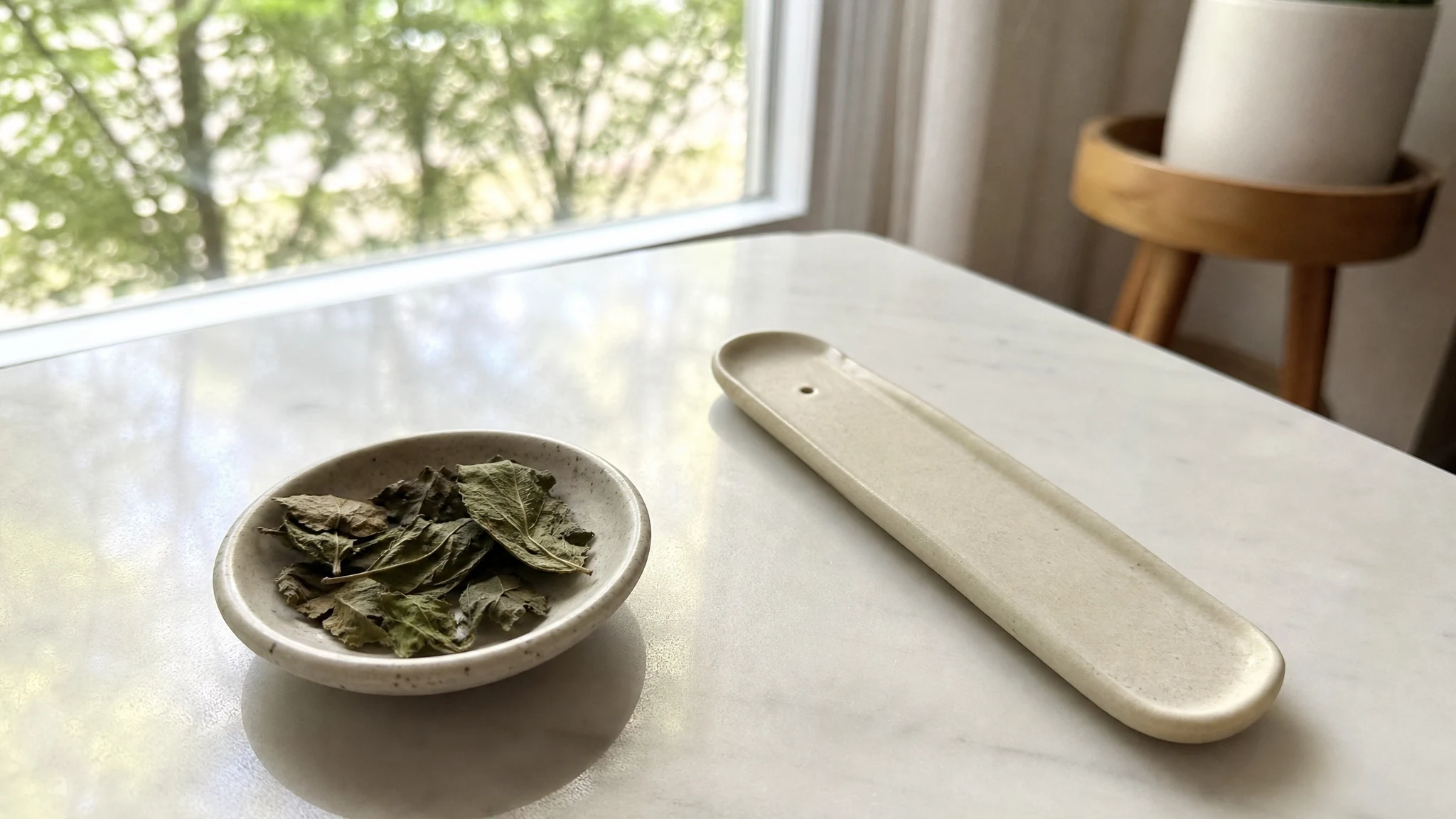
It also helps to hold an old tradition and a modern habit side by side without forcing them to agree. A sachet of dried leaf in a drawer, a drop of diluted oil in a cosmetic blend and a stick of incense in a temple are three different objects, with three different stories behind them.
If you use it in your own practice
If patchouli has a place in your routine, you do not need our permission or a historical pedigree, only a little care. Keep the oil away from children and pets, dilute it before it touches skin, and remember how far it travels: it lingers on cloth for days. Where a tradition belongs to someone else, say where the knowledge comes from. We explore the quiet side of the scent in our meditation article, and the folklore around attraction in is patchouli an aphrodisiac.
Patchouli's recorded history is a good story all by itself, and its modern meaning is yours to find.
Patchouli Essential Oil
Patchouli Essential Oil from our own shop, in sizes from 0.5 oz to bulk.
From $20.99
Shop Now →Sources & Further Reading
- Swamy MK, Sinniah UR, 2015. A Comprehensive Review on the Phytochemical Constituents and Pharmacological Activities of Pogostemon cablin Benth.: An Aromatic Medicinal Plant of Industrial Importance. Molecules. PMC6272783
- Chen J et al., 2021. Pharmacological activities and mechanisms of action of Pogostemon cablin Benth: a review. Chinese Medicine. PMC7791836
- Pogostemon (PROSEA) - Pl@ntUse. plantuse.plantnet.org