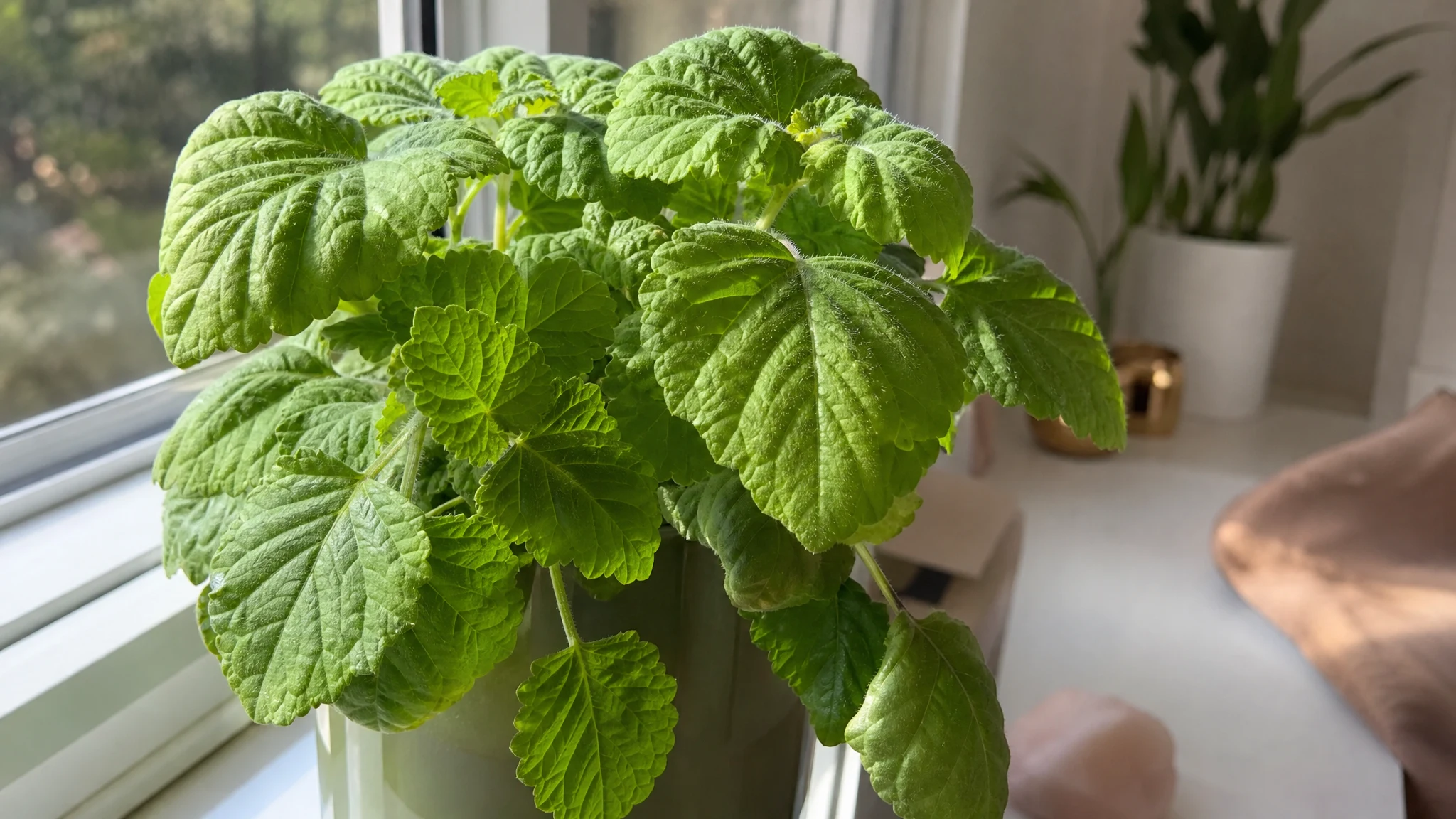
Where to Buy Patchouli Oil: Online, Local and Specialist
The best place to buy patchouli oil depends less on the shop than on what you want it for. A soap maker, a perfume hobbyist and someone who simply likes the smell of a diffuser blend are all shopping for slightly different things, and the same shelf can hold a plain leaf oil right next to a fragrance blend in a similar-looking bottle. Here is how we would size up each kind of seller.
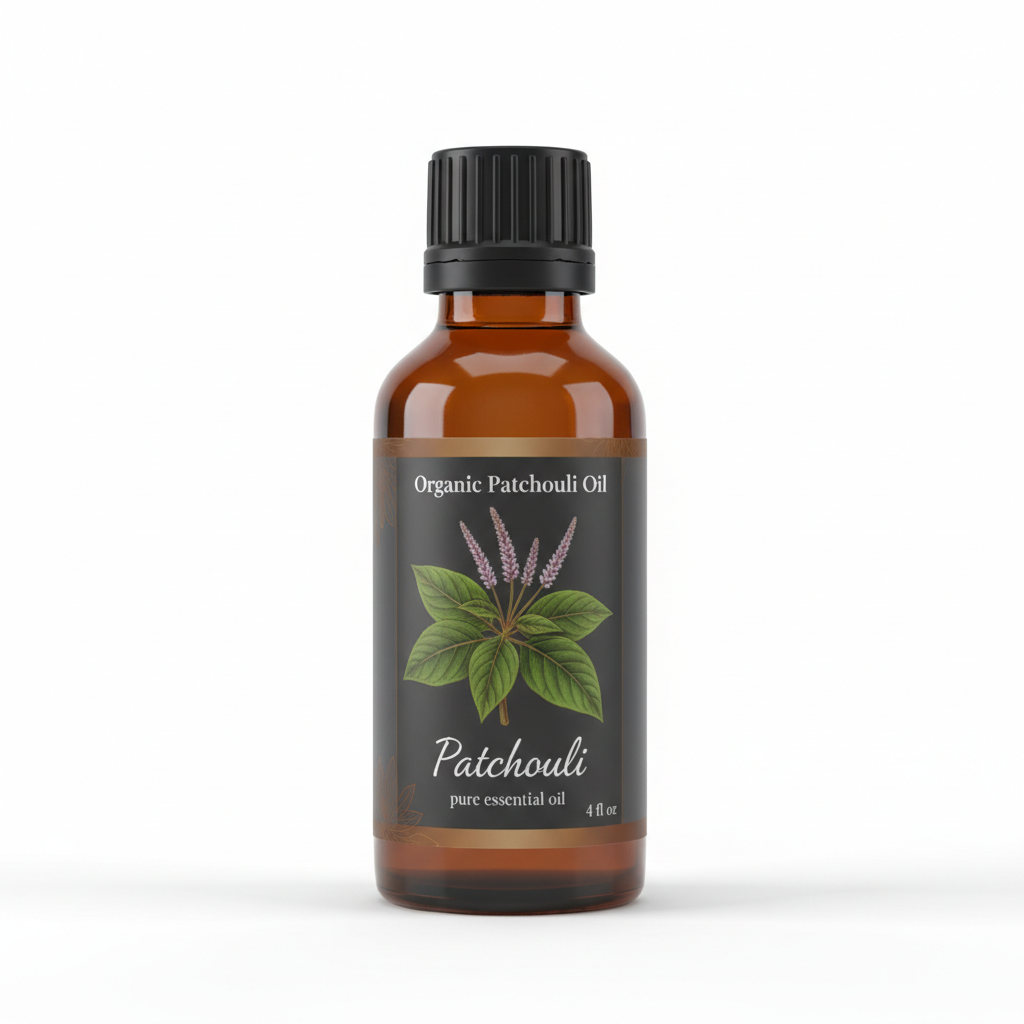
Patchouli Essential Oil
Our own Patchouli Essential Oil, in sizes from 0.5 oz to bulk.
From $20.99
Shop Now →First decide which patchouli you mean
"Patchouli" on a label can mean four things. A steam-distilled essential oil is what perfumers, soap makers and most home blenders have in mind. An absolute or CO2 extract is made by other routes and has a different composition, which our comparison of the three explains. A fragrance oil is a manufactured scent that may contain no plant oil at all; see essential oil versus fragrance oil. And a roll-on is a little patchouli already diluted in a carrier. Pick your type first and the shopping gets easier. We sell the first only: one steam-distilled patchouli leaf oil, neat.
Specialist online shops
A specialist can tell you the plant, the part, the process and the batch, and answer follow-up questions in writing. That is a real advantage, because patchouli has a long history of stretching. PROSEA, the plant-resources reference, notes that oils from other plants have been sold as patchouli oil and that heavy solvents such as benzyl benzoate and propylene glycol have been used as extenders. None of that means a given seller does it. It means one good question is worth asking everywhere: what analysis exists, on which batch, and who ran it?
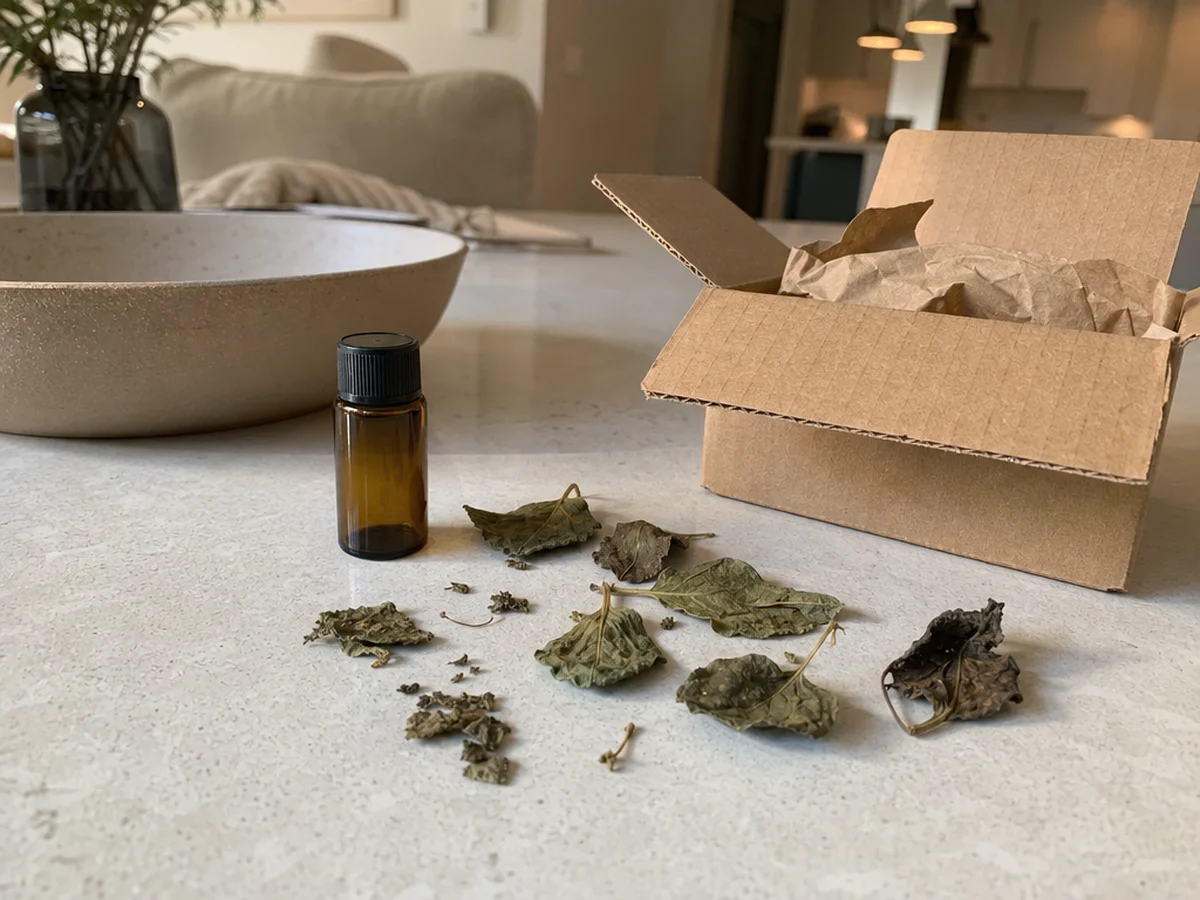
Method matters too. A 2018 study put genuine patchouli oils and a set of 17 adulterants through low-field NMR and found it caught most of them easily, while gurjun and copaiba balsams proved difficult. The authors present it as a complement to GC-MS, not a replacement. The takeaway for a buyer is simple: a seller who tells you which method they used is giving you the means to judge it. Our guide to reading a GC-MS report shows what to look for.
Marketplaces and local shops
A marketplace listing is a window onto whoever happens to be selling, and the bottle that arrives may differ from the one pictured. Use the strictest version of the checks there: Pogostemon cablin on the label, a single ingredient, and a batch number you can quote back if you need to.
In a local shop you cannot usually smell a sealed bottle, but you can read it. US cosmetic labelling rules require ingredients in descending order of predominance and allow the word "fragrance" to cover a scent blend, so turn the bottle round. A botanical name and one ingredient is what you want. The FDA adds that "fragrance" may stand for a mix of natural and synthetic ingredients. Natural food stores, craft shops and pharmacies are good places to read labels and compare, even if you buy elsewhere.
Soap, craft and perfumery suppliers
These sellers weigh and pour by the ounce, pound or kilogram, and they carry the rest of what you are making: carrier oils, wax, lye, containers. If you are scaling up, ask whether each order is the same material as the last, whether they will hold a batch for you, and whether they supply the analysis for the batch you receive. Our carrier oil guide covers the other half of a leave-on oil, and our buying guide goes further into matching a specification to a job.
Six questions that work anywhere
- Is it only patchouli leaf oil, Pogostemon cablin, steam distilled, with nothing added?
- Which batch is in the bottle I will receive?
- Can you send a GC-MS report for that batch, with the laboratory named?
- What did the report screen for, and by which method?
- If the listing says organic, who is the certifier, what is the certificate number and what does it cover?
- What happens if the contents differ from the document?
Ask for answers in writing and keep them. A clear, quick reply tells you a lot about the seller, and so does a vague one.
If you are considering us
We sell one patchouli oil in ten sizes, from 0.5 oz up to 400 lb. We bottle and ship every order from our US-based facility, and orders go out within one to two business days (bulk sizes of 5 lb and up may need a little extra handling time). If you want to smell it before committing to a large size, our wholesale page offers sample bottles, and we typically reply to messages sent through our contact page within one business day.
The Certificate of Analysis we publish is for one batch. It lists appearance, smell and stated standard ranges for density, refractive index and optical rotation, and if you need GC-MS data or an organic certificate with the certifier's name and number, ask us in writing before you order and keep the reply. We would give the same advice about any seller.
Whatever you buy, patchouli oil is concentrated and meant for aromatic and cosmetic use. We recommend diluting to 0.5% to 2% in a carrier oil and patch testing first, never swallowing it, and storing it out of reach of children and pets, as Poison Control advises for all essential oils.
Take your time, ask your questions and smell before you commit. A bottle you chose carefully is one you will enjoy for a long time.
Patchouli Essential Oil
Patchouli Essential Oil from our own shop, in sizes from 0.5 oz to bulk.
From $20.99
Shop Now →Sources & Further Reading
- Pogostemon (PROSEA) - Pl@ntUse. plantuse.plantnet.org/en/Pogostemon_(PROSEA)
- 64. Is Low-field NMR a Complementary Tool to GC-MS in Quality Control of Essential Oils? A Case Study: Patchouli Essential Oil - Magritek. magritek.com/?p=8538
- 21 CFR 701.3 - Designation of ingredients. (Legal Information Institute). law.cornell.edu/cfr/text/21/701.3
- Fragrances in Cosmetics | FDA. fda.gov/cosmetics/cosmetic-ingredients/fragrances-cosmetics
- Essential oils: Poisonous when misused | Poison Control. poison.org/articles/essential-oils