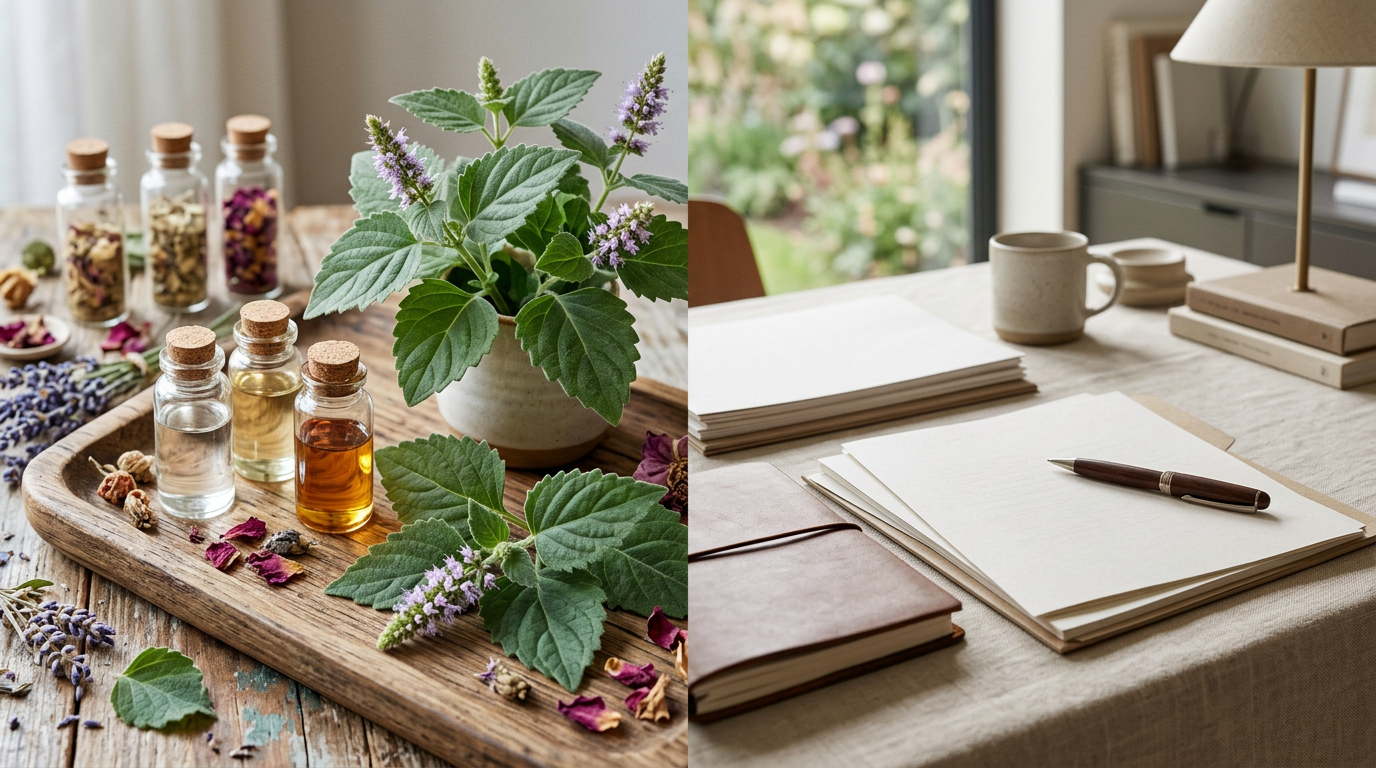
Patchouli in Autumn and Winter: Deep Earthy Blends for Cold Months
Something shifts in the air around late September. The light softens, the mornings cool, and suddenly the bright citrus and green herb scents of summer feel slightly out of place. This is the season when patchouli comes fully into its own. Its deep, damp-earth character mirrors the smell of fallen leaves and dark soil, and its natural richness pairs beautifully with the warming spices and resins that feel so right once the days grow short.
If you have been curious about fall diffuser blends or want to build a more intentional cold-weather scent ritual, this guide is a practical starting point. We will cover why patchouli is such a natural fit for autumn and winter atmospheres, which oil families blend best with it in cooler months, and a set of specific recipes you can put to use right away.
Why Patchouli Belongs to the Cold Months
Patchouli (Pogostemon cablin) is extracted by steam-distilling the dried, fermented leaves of a plant native to tropical Asia. The oil that results is dense and dark, with a scent that perfumers describe as earthy, musty, balsamic, and faintly sweet. It is a base note in the truest sense: it sits at the foundation of a blend, evolves slowly over hours, and lingers long after lighter top notes have lifted away.
That staying power is exactly what makes it so well suited to cooler weather use. In summer, a heavy base note can feel oppressive in a warm room. In winter, when windows stay closed and ambient temperatures drop, patchouli's slow, grounding diffusion creates a quality of warmth that lighter oils simply cannot match.
There is also an emotional dimension worth noting. Cold months often bring longer evenings, quieter routines, and a natural pull toward nesting indoors. Earthy, resinous scents have long been associated with grounded, settled atmospheres. Patchouli fits that mood intuitively.
If you want to understand this oil more deeply before you start blending, our guide on how to use patchouli oil covers sourcing, quality markers, dilution, and the many ways this one ingredient can move through a beauty and fragrance practice.
The Flavor Families That Work Best in Cold-Weather Blends
Good blending starts with understanding categories. Patchouli is versatile, but not every oil family performs equally well alongside it in a seasonal context. Here are the groups that tend to shine in patchouli winter blends.
Warm Spices
Cinnamon bark, clove bud, cardamom, and black pepper all share a common quality: they project warmth without sweetness becoming the dominant impression. Patchouli grounds these spices and keeps them from reading as purely culinary. The combination is rich without being heavy.
Resins and Balsams
Frankincense, benzoin, labdanum, and myrrh belong to this family. They share patchouli's slow volatility and deep character, and blending them together creates layers that unfold over an entire evening rather than dissipating in thirty minutes. These are the oils that give a room a genuinely atmospheric quality.
Sweet Woods
Cedarwood (especially Virginian and Atlas varieties), sandalwood, and vetiver all sit close to patchouli on the scent spectrum. They add dimension without competing. Vetiver in particular is worth exploring: it has a smoky, rootsy character that many people find deeply satisfying during cold months.
Citrus (Used Thoughtfully)
This might seem counterintuitive, but a small proportion of sweet orange, blood orange, or mandarin can lift an otherwise very heavy autumnal blend without lightening it entirely. The trick is proportion. Citrus should be a whisper in a cold-weather patchouli blend, not a shout.
Conifer Notes
Siberian fir, black spruce, pine, and juniper berry bring a cold, forest quality that reads as deeply seasonal from October through February. Combined with patchouli, they create an impression of walking through a damp, wooded landscape on a grey afternoon. Atmospheric in the best possible way.
Six Seasonal Blend Recipes
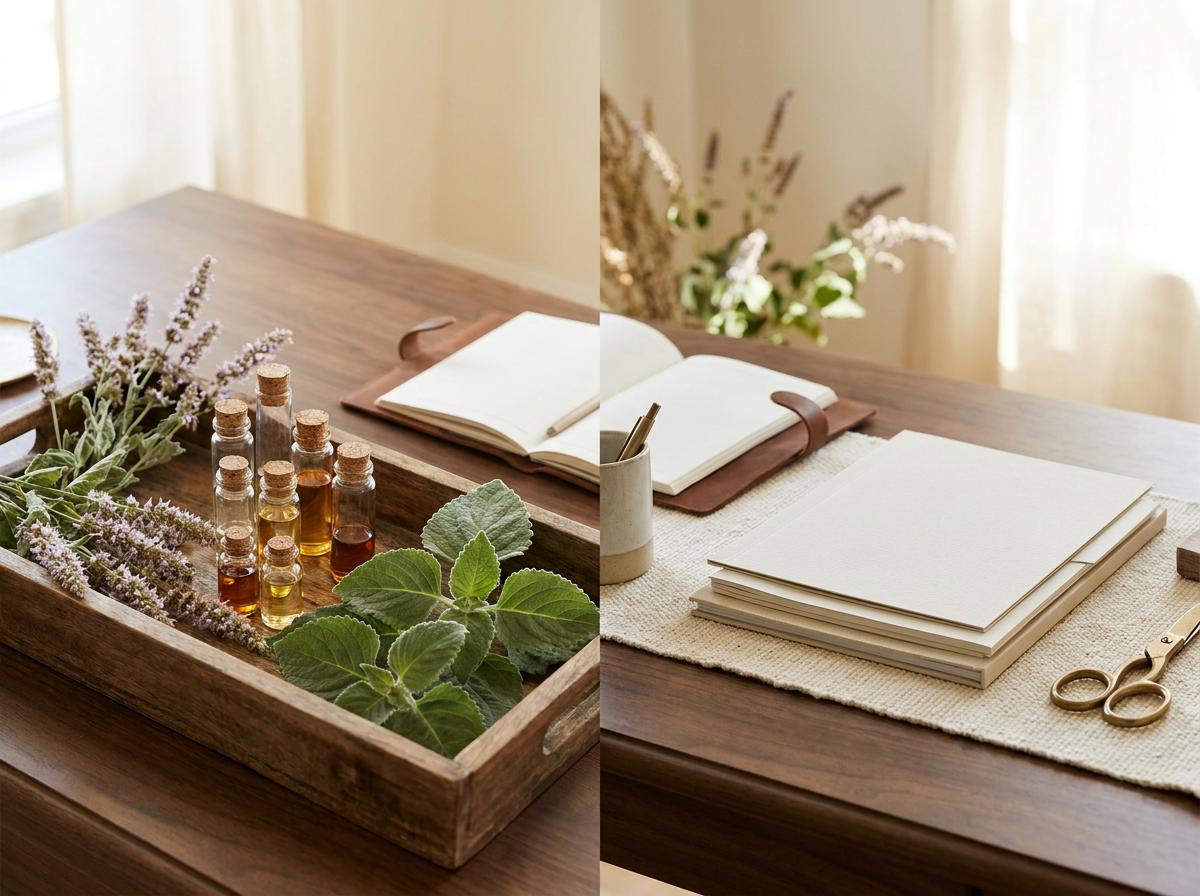
The recipes below are written for a standard 100 ml ultrasonic diffuser. Adjust proportions proportionally for smaller or larger units. Always use organic, properly stored oils for the best aromatic result, and keep the diffuser clean between blends so residual oils do not muddy the scent profile.
1. Autumn Forest Floor
This is a classic fall diffuser blend. Earthy, cool, and a little smoky. It works well in living rooms during evening hours.
- 4 drops patchouli
- 3 drops Siberian fir
- 2 drops cedarwood (Atlas)
- 1 drop vetiver
2. Warm Spice Market
Rich and festive without veering into holiday cliche. Good for kitchens and dining spaces during autumn gatherings.
- 3 drops patchouli
- 3 drops sweet orange
- 2 drops cardamom
- 1 drop clove bud
- 1 drop black pepper
3. Winter Incense
One of the most contemplative cozy essential oil blends in this collection. Resinous, deep, and slow-burning. Suited to reading rooms, studios, and quiet winter evenings.
- 4 drops frankincense
- 3 drops patchouli
- 2 drops benzoin (or labdanum if available)
- 1 drop sandalwood
4. Frost and Earth
A cooler, more austere blend for those who prefer their winter scents on the brisk side. This one reads almost architectural in its clarity.
- 3 drops patchouli
- 3 drops black spruce
- 2 drops juniper berry
- 2 drops cedarwood (Virginian)
5. Dark Amber Evening
A luxurious, long-lasting blend well suited to bedrooms during bedtime wind-down routines. The combination of patchouli and ylang ylang gives it a faintly floral depth that keeps it from feeling heavy.
- 4 drops patchouli
- 2 drops ylang ylang
- 2 drops frankincense
- 1 drop vanilla (CO2 or absolute, if diffuser compatible)
- 1 drop vetiver
6. Cold Morning Ritual
Designed for the diffuser in a bathroom or dressing area during early winter mornings. Grounding but not heavy, with enough brightness to suit the start of a day.
- 3 drops patchouli
- 3 drops bergamot
- 2 drops cedarwood
- 2 drops black pepper
Using Patchouli Beyond the Diffuser in Cold Months
Diffusing is the most convenient way to explore patchouli winter blends, but it is not the only option. Cold months invite a slower, more tactile approach to scent.
Personal Fragrance
Patchouli's tenacity makes it one of the best oils to incorporate into a cold-weather personal scent. Diluted properly in a carrier oil (typically 2 to 3 percent for most skin applications), it can be worn on pulse points as a simple, natural perfume. It layers beautifully over commercially made fragrances too, deepening and grounding whatever you are already wearing.
For those interested in building a more complete personal scent around patchouli, the guide on building your own patchouli signature perfume at home is a thorough resource covering accord construction, fixatives, and blending ratios.
Body Oil and Skin Care
Winter months often call for richer moisturizing routines. A few drops of patchouli added to a base of jojoba, sweet almond, or rosehip oil creates a scented body oil that has both a beautiful fragrance and the nourishing properties associated with those carrier oils. Always dilute properly and perform a patch test before applying to a larger skin area. Patchouli is generally well tolerated, but individual responses vary.
Candle and Wax Melt Pairings
If you burn scented candles or use wax melts during autumn and winter, try running a patchouli-forward diffuser blend in the same room to deepen the overall atmosphere. When the aromatic environments layer rather than compete, the effect is notably richer than either source alone would achieve.
A Note on Oil Quality for Seasonal Blending
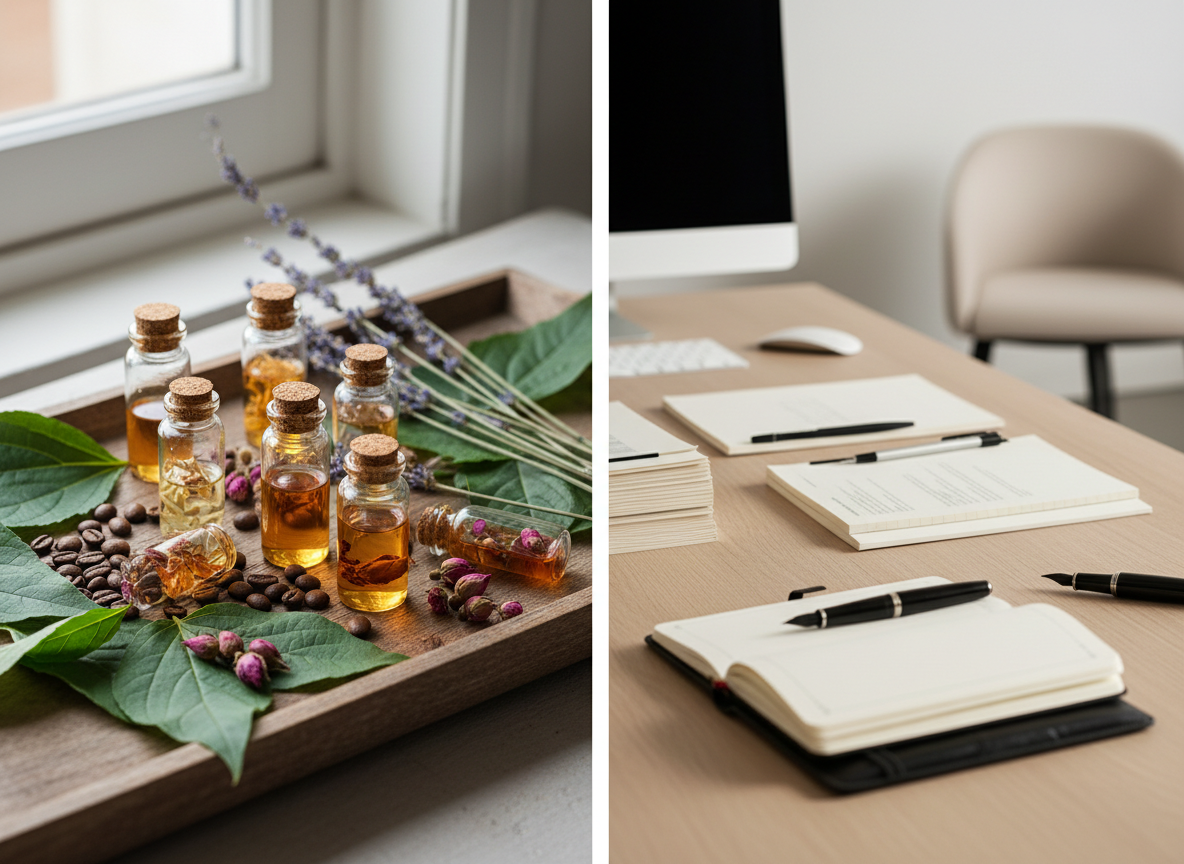
Patchouli varies considerably by origin, distillation method, and age. For seasonal atmospheric blending, look for dark (not light or redistilled) organic patchouli with a GC/MS report that confirms its composition. Aged patchouli, which has been stored for one to several years after distillation, often develops a smoother, more rounded quality that reads especially well in complex winter blends. Young patchouli can have a sharper, more medicinal edge that some find less appealing in a home diffusion context.
Patchouli's role in the broader history of modern fragrance is worth understanding if you want to use it with real confidence. Our piece on patchouli in modern perfumery traces how this once-polarizing ingredient became a cornerstone of fine fragrance, and why perfumers reach for it so consistently when they want depth and longevity.
Seasonal Variations: Adjusting Through the Cold Months
Autumn and winter are not a single uniform season. The atmosphere of a rainy October afternoon differs meaningfully from a bright, cold January morning, and your blends can reflect that.
| Period | Atmospheric Quality | Recommended Blend Emphasis |
|---|---|---|
| Early Autumn (Sept-Oct) | Earthy, transitional, still warm | Spice-forward, citrus accent, lighter patchouli ratios |
| Mid Autumn (Oct-Nov) | Darker, wetter, leaf-damp | Forest floor profiles, vetiver, conifer additions |
| Early Winter (Dec) | Festive, resinous, candlelit | Resin-heavy blends, frankincense, labdanum emphasis |
| Deep Winter (Jan-Feb) | Cold, still, interior-focused | Austere wood blends, higher patchouli ratios, minimal citrus |
This framework is a starting point rather than a rigid system. Your own space, your own preferences, and even the weather outside your window on a given day should all guide what you reach for.
Safety Notes for Cold-Weather Essential Oil Use
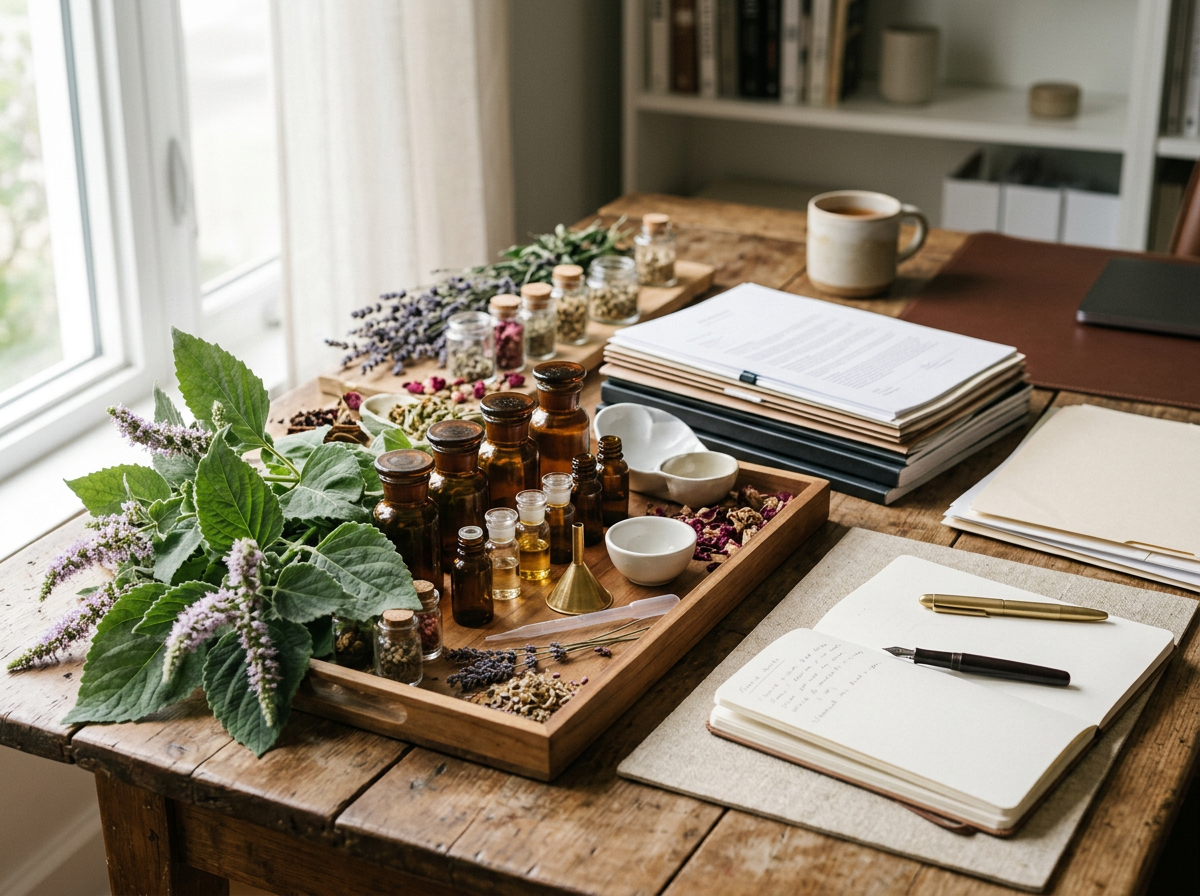
A few practical reminders as you build out your seasonal ritual. When diffusing, ventilate rooms periodically and avoid continuous diffusion for more than 30 to 60 minutes at a time. In smaller, closed winter spaces, diffusers can quickly become overpowering. Patchouli in particular has a high persistence: a little goes further than you might expect.
For any topical application, always dilute in an appropriate carrier oil and perform a patch test first. Avoid application near eyes or mucous membranes. Patchouli is not recommended for use around young children without guidance from a qualified professional, and individuals who are pregnant or nursing should consult a healthcare provider before incorporating essential oils into their routine.
Keep your oil collection stored away from heat and light during winter, even though ambient temperatures are lower. Central heating can create warm, dry storage conditions that accelerate oxidation. A cool, dark cupboard is ideal.
Building Your Cold-Weather Scent Ritual
The real satisfaction of working with patchouli in autumn and winter is the cumulative effect over a whole season. Start with one or two of the blends above, keep notes on what you enjoy, and gradually begin to adjust ratios based on your own preferences. You may find that you consistently add more frankincense, or that the vetiver-forward blends suit your space better than the spice profiles.
This is a slow, seasonal practice. Patchouli rewards that kind of attention. By the time spring arrives, you will have a set of blends that feel genuinely personal rather than borrowed from someone else's preferences.
The cold months are long enough to explore this thoroughly. Start this week, while the season is still fresh, and let the deep earth note of patchouli settle into your home in its own time.