Patchouli Dark Oil vs Light Patchouli: Iron Stills, Aging, and Aroma Compared
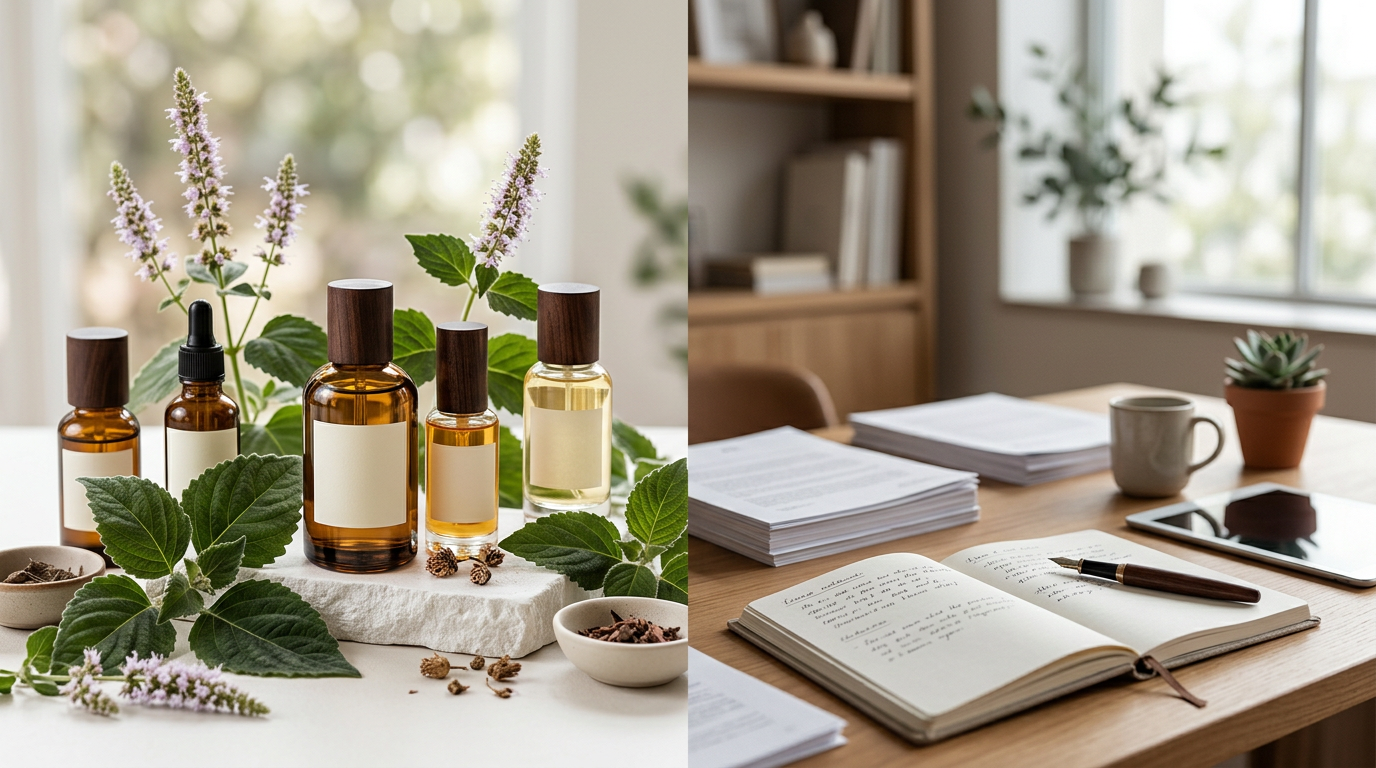
Walk into any serious perfumery supply room and you will likely find both types sitting side by side: one bottle the color of dark amber, the other a pale golden straw. Both are genuine patchouli. Both come from the same botanical species, Pogostemon cablin. Yet the differences in how they are distilled, how they age, and how they smell are significant enough to matter enormously depending on what you are making.
This guide gives an honest, side-by-side look at patchouli dark essential oil and its lighter counterpart. No hype, no oversimplification. Just the sourcing realities, the aromatic facts, and practical guidance on which version earns a place in your formulation or collection.
Where the Difference Begins: The Still
The single biggest factor separating patchouli dark oil from light patchouli is the material of the distillation vessel. It is not a minor technical detail. It shapes everything that follows.
Iron Still Distillation
Traditional Indonesian and Indian distilleries have used iron (or cast-iron) stills for generations. During steam distillation, the slightly acidic condensate from the plant material reacts with the iron vessel walls. That reaction generates iron compounds, primarily iron(II) and iron(III) species, that bind with certain sesquiterpene constituents in the oil. The result is that characteristic dark amber to reddish-brown hue, and a significantly altered aromatic profile.
Patchouli dark oil distilled this way carries naturally elevated iron content, sometimes measured in the hundreds of parts per million. That sounds like a contaminant, but in practice it is considered a defining quality marker by many buyers and perfumers. Reputable suppliers will disclose iron content in a certificate of analysis.
Stainless Steel Still Distillation
Light patchouli is distilled in stainless steel vessels. No iron interaction occurs. The oil emerges cleaner, lighter in color, and with a brighter aromatic character. The sesquiterpene profile remains largely intact without iron-induced modifications. For formulators who want patchouli's distinctive earthiness without the heavier, almost ferrous undertones of the dark variety, stainless steel distillate is the natural choice.
For a broader look at how distillation method and origin affect quality grades, the ultimate guide to buying patchouli oil by grade and origin covers the topic in depth.
Aging: How Time Changes Both Oils
Patchouli is one of the few essential oils that genuinely improves with age. Fresh distillate of either type can smell harsh, green, or camphoraceous. Aging softens those rough edges through slow oxidation and ester formation.
The two types age differently, though. Patchouli dark oil, already rich and complex from the iron interaction, becomes progressively rounder and more balsamic over time. Some collectors age dark patchouli for five to ten years, and the results can be extraordinary: a depth that approaches leather, incense, and dark wood simultaneously.
Light patchouli also improves with age, but the trajectory is different. It moves toward a sweeter, softer earthiness rather than the heavier balsamic direction of the dark variety. One-year-old light patchouli typically smells noticeably more refined than freshly distilled stock. Three-year-old light patchouli can be exceptionally smooth for applications where a subtler base note is needed.
Pricing reflects these aging realities. Older stock of either type commands a premium. If you want to understand what fair value looks like across grades and aging levels, the patchouli oil price guide covering grades, aging, and fair value is a useful reference before purchasing.
Aroma Profile Comparison
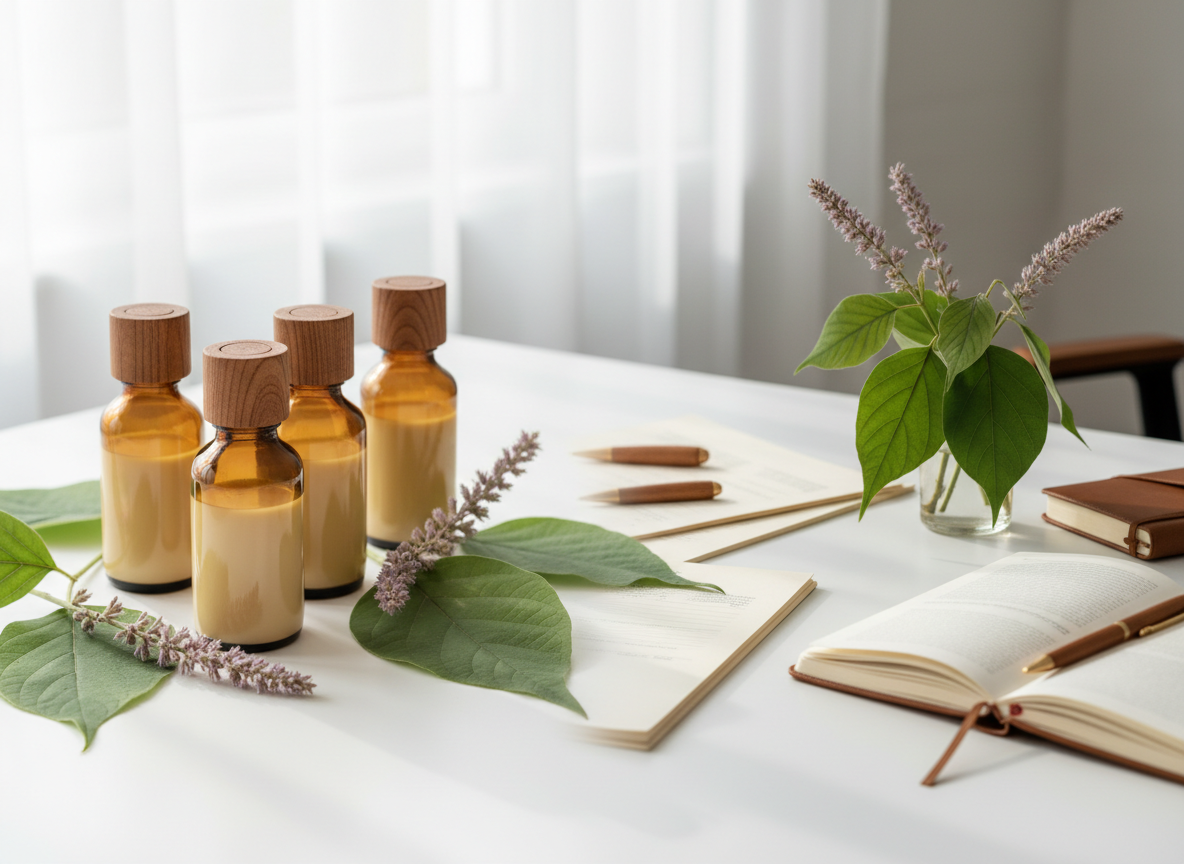
Describing the smell difference clearly is worth doing carefully, because marketers often blur the line between these two types.
Patchouli Dark Essential Oil
The scent opens with an earthy, woody depth that has an almost mineral or metallic quality in some batches. As it dries down, rich balsamic, dark woody, and faintly smoky facets emerge. There can be a leathery quality in well-aged dark patchouli that is genuinely striking. The overall impression is heavy, complex, and persistent. Longevity on skin and in wax is exceptional.
This is the version that matches the classic vintage patchouli associations: heavy base notes, persistent sillage, the scent that lingers for hours.
Light Patchouli
The opening is brighter. There is still clear earthiness, but it is accompanied by greener, almost herbaceous facets, and a lighter woody character. As it dries down, a gentle sweetness appears. The overall profile is warmer and more approachable to people who find traditional patchouli overwhelming. Longevity is still strong for an essential oil, but the projection is softer.
Light patchouli often blends more easily in fine fragrance work because its aroma does not dominate a composition as aggressively.
Side-by-Side Comparison Table
| Attribute | Patchouli Dark Oil | Light Patchouli |
|---|---|---|
| Still material | Iron or cast iron | Stainless steel |
| Color | Dark amber to reddish-brown | Pale yellow to golden straw |
| Iron content | High (often 100+ ppm) | Very low to trace |
| Aroma character | Heavy, balsamic, leathery, smoky | Earthy, herbaceous, softer, slightly sweet |
| Aroma intensity | Very strong | Strong but more approachable |
| Aging potential | Exceptional (5 to 10+ years) | Good (1 to 5 years) |
| Blending behavior | Dominant base note; use with restraint | More flexible, easier to balance |
| Skin application color risk | Can discolor light formulations | Low discoloration risk |
| Candle and wax use | May color wax amber to brown | Minimal wax discoloration |
| Typical price point | Moderate to premium (higher for aged) | Moderate (lower than equivalent aged dark) |
| Preferred by | Perfumers, vintage collectors, incense makers | Cosmetic formulators, candle makers, blenders |
Pros and Cons
Patchouli Dark Essential Oil
- Pro: Extraordinary aromatic depth and complexity, especially in aged stock
- Pro: Long-lasting projection in perfume, soap, and candle applications
- Pro: Authentic to traditional patchouli character that fragrance collectors expect
- Pro: Ages beautifully into something genuinely rare over several years
- Con: High iron content can discolor light-colored cosmetic products
- Con: Heavy aroma requires careful measurement in blends (a little goes a long way)
- Con: Can be harder to source with reliable iron content disclosure and third-party testing
- Con: Some regulatory frameworks for cosmetics specify limits on iron content in finished products; formulators should verify compliance
Light Patchouli
- Pro: Versatile and easier to work with in multi-note blends
- Pro: Minimal discoloration risk in white or light-colored products
- Pro: More accessible scent profile for customers new to patchouli
- Pro: Generally lower price point for equivalent freshness
- Con: Lacks the depth and balsamic complexity of well-aged dark patchouli
- Con: Ages to a good but less dramatic aromatic destination
- Con: Some purists consider it a compromise on classic patchouli character
- Con: The lighter profile can be overwhelmed by stronger florals or resins in complex blends
A Note on Quality Regardless of Type
Neither dark nor light patchouli is automatically better. Both can be excellent or poor depending on sourcing, distillation care, storage, and age. The relevant question is always about documentation. A good supplier provides a full certificate of analysis showing GC/MS data, iron content (for dark), specific gravity, refractive index, and ideally the distillation date and country of origin.
Watch for red flags: vague origin labeling, no GC/MS data available, unusually low pricing on supposedly aged stock, or descriptions that mix up dark and light terminology. If you are uncertain about the difference between genuine essential oil and a fragrance oil blended to smell like patchouli, the comparison of patchouli essential oil versus patchouli fragrance oil clarifies that distinction clearly.
Best For: Use-Case Recommendations

Choose Patchouli Dark Essential Oil If You Are:
- Formulating fine fragrances or eau de parfum where bold base notes are essential
- Creating incense, resins, or solid perfume balms where a heavy, lasting character is the goal
- Making cold-process soap where amber coloration in the bar is acceptable or desirable
- Building a collection of aged patchouli as a long-term aromatic investment
- Working on blends that specifically reference vintage or retro fragrance aesthetics
- Diffusing in large spaces where you want a deep, persistent scent presence
Choose Light Patchouli If You Are:
- Formulating lotions, creams, or serums where product color needs to stay pale
- Making soy or coconut wax candles where a clear or lightly tinted finish matters
- Blending complex accords where you want patchouli present without it taking over
- Creating products for customers who find traditional heavy patchouli off-putting
- Working on fresh, green, or citrus-forward compositions that need an earthy anchor
- Diffusing in smaller, intimate spaces where a gentler presence is preferred
Blending Tips for Each Type
Working with Patchouli Dark Oil
Start with a usage rate of 1 to 3 percent in most formulations. Because the aroma is so persistent, it is easy to overuse in a blend and difficult to dial back once added. Dark patchouli pairs particularly well with labdanum, vetiver, sandalwood, rose absolute, and frankincense. In citrus blends, it adds unexpected grounding depth without necessarily clashing, but test carefully at low percentages.
Working with Light Patchouli
You can generally use light patchouli at slightly higher rates, typically 3 to 6 percent, before it becomes the dominant note. It works well alongside bergamot, clary sage, cedarwood, lavender, and ylang ylang. In woody oriental compositions, it can serve as the connective tissue between lighter top notes and heavier resins without announcing itself loudly.
The Verdict
Patchouli dark essential oil delivers unmatched depth, complexity, and aging potential. For perfumers and collectors who want the full classic patchouli experience, there is no real substitute. The iron-still process produces something genuinely distinctive, and well-aged dark patchouli occupies a category of its own in the aromatic world.
Light patchouli is not a lesser product. It is a different product, optimized for different purposes. Its versatility, cosmetic compatibility, and approachable aroma profile make it the practical choice for the majority of product formulation work where patchouli serves as a background base note rather than the star.
Most serious formulators eventually keep both on hand. They are not interchangeable, and knowing which to reach for in a given situation is the kind of knowledge that comes from working with both over time. Start with the use case, identify which characteristics matter most, and let those requirements drive the choice.
Both types deserve sourcing attention and third-party documentation. Dark vs light patchouli is a meaningful distinction, but quality within each category varies just as much as the variation between them.