Best Patchouli Oil Bottle Sizes: Which One Should You Order First?
Patchouli oil is one of those purchases where bottle size matters more than people expect. Order too small and you run out mid-project. Order too large before you know a supplier's quality, and you're committed to something that might not meet your standards. Getting the size right the first time saves money and frustration.
This guide walks through the most common patchouli oil sizes on the market, explains what to look for in each, and helps you match the right bottle to your actual needs, whether you're a first-time buyer or scaling up a soap or perfume operation.
Why Bottle Size Is a Quality Signal (Not Just a Quantity Choice)
Most shoppers focus on price per milliliter when comparing patchouli oil sizes. That's a reasonable starting point, but it misses something important. The container itself tells you a lot about how seriously a supplier takes quality preservation.
Patchouli essential oil is photosensitive. UV light degrades volatile aromatic compounds over time, which flattens that signature deep, earthy character you're paying for. A quality supplier will package their oil in amber or dark violet glass regardless of bottle size. Clear glass is a red flag at any volume.
Plastic bottles are another concern, particularly for undiluted essential oil at full concentration. Some plastics leach into the oil or degrade on contact. UV-resistant aluminum tins or HDPE plastic are acceptable for larger bulk volumes, but glass remains the gold standard for anything under one liter.
Orifice reducers (the small plastic inserts inside the bottle cap) are a practical quality indicator too. They allow controlled, drop-by-drop dispensing and reduce oxidation by limiting air contact. Their presence suggests the supplier understands how essential oils should be stored and used.
Patchouli Oil Sizes: A Practical Breakdown
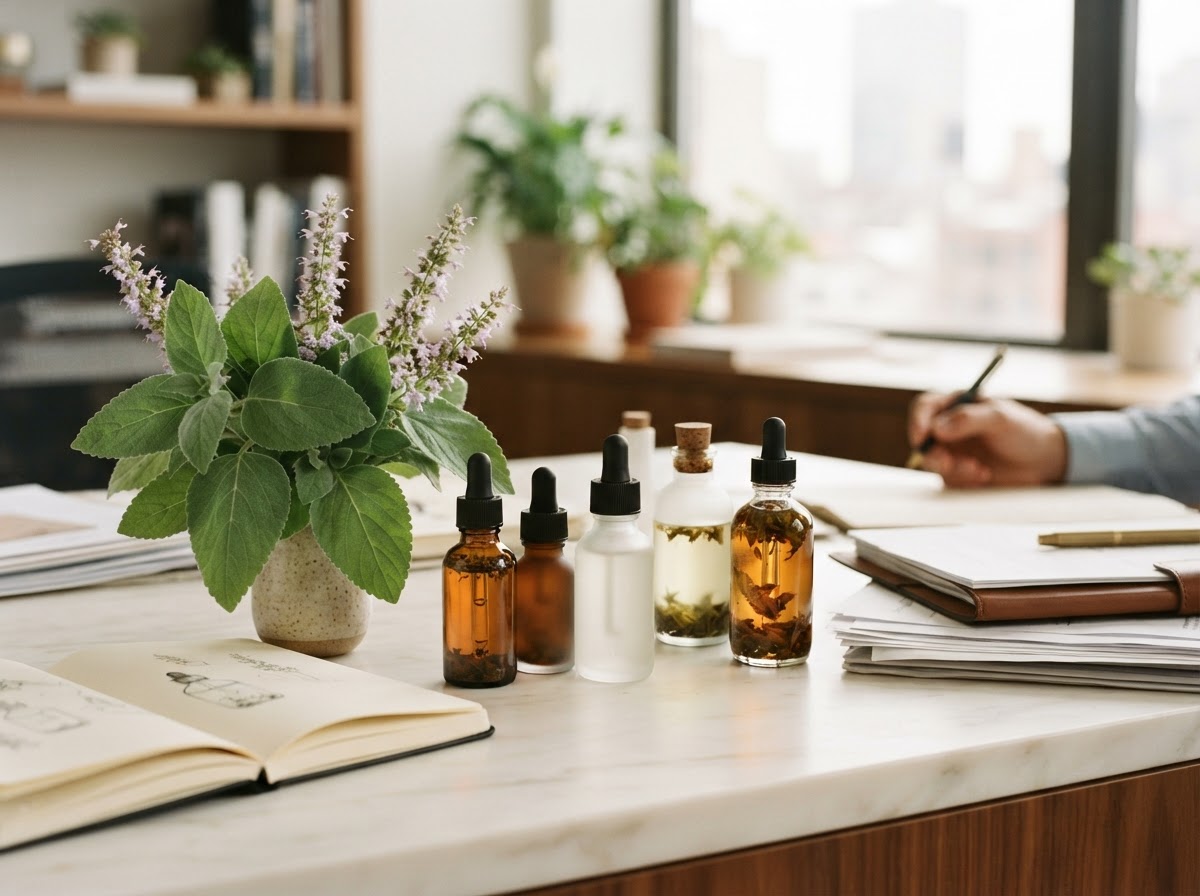
5 ml and 10 ml: The Sampler Tier
These small bottles are ideal for first-time buyers who want to evaluate a supplier's oil before committing to a larger volume. At 5 ml, you get roughly 100 drops, which is enough for a month or two of personal fragrance blending or a handful of small candle or soap batches.
The value-per-milliliter ratio at this size is the lowest you'll find. You're paying a premium for the small packaging and the flexibility of low commitment. That's a fair trade when you're assessing quality for the first time.
Look for: a properly fitted orifice reducer, a tight-sealing cap, and labeling that includes the botanical name (Pogostemon cablin), country of origin, and whether the oil is certified organic. Suppliers who omit this information at any size are worth questioning. For a deeper look at label standards and sourcing language, see our guide on how to buy patchouli oil: the ultimate guide to grade and origin.
15 ml and 30 ml: The Everyday Use Range
This is the sweet spot for most personal and small-batch users. A 30 ml bottle (about one fluid ounce) provides enough oil for several months of consistent use in diffuser blends, personal perfume projects, or small skincare formulations.
At this size, price-per-milliliter starts to improve meaningfully. Many reputable suppliers offer their best value in the 30 ml range because it moves well and doesn't require the storage considerations that come with larger volumes.
Patchouli oil's natural viscosity is worth mentioning here. It's thicker than most essential oils, especially aged varieties, and at cooler temperatures it can become sluggish. A 30 ml bottle with a wide enough neck and a good orifice reducer handles this better than a narrow-neck 5 ml vial.
50 ml and 100 ml: The Craft and Small Batch Tier
Hobbyist soap makers, candle crafters, and natural perfumers who work with patchouli regularly will find the 50 ml to 100 ml range more economical. These sizes reduce cost per milliliter significantly without requiring the storage infrastructure of bulk purchasing.
At 100 ml, you're typically crossing into a pricing tier where suppliers may offer slight discounts or free shipping thresholds. The tradeoff is a larger upfront spend, which makes supplier vetting more important before committing.
Before ordering at this volume from a new source, order the smallest available size first. Evaluate the scent profile (genuine aged patchouli should have depth, a slight sweetness, and earthy richness without smelling sharp or chemical), check the color (dark amber to deep brown is normal for aged oil), and assess viscosity. Only then scale up your order.
250 ml and 500 ml: Small Wholesale Territory
At a quarter-liter and above, you're entering territory that suits small businesses, professional formulators, and serious hobbyists with consistent, high-volume use. The price-per-milliliter advantage becomes substantial here, often 30 to 50 percent lower than small retail sizes.
Storage becomes a genuine consideration. Patchouli oil should be kept away from heat and direct light, with caps tightly sealed between uses. At 250 ml or more, some buyers decant the oil into smaller working bottles and keep the main supply sealed to minimize oxidation.
Suppliers at this tier should be able to provide a Certificate of Analysis (COA) and, for organic oil, a valid organic certification document. If a supplier can't or won't provide these for bulk orders, walk away. For businesses exploring volume pricing structures, our bulk and wholesale patchouli oil guide for soap makers covers supplier negotiation, COA requirements, and minimum order considerations in detail.
1 Liter and Above: Commercial Scale
One-liter and larger volumes are typically used by cosmetic manufacturers, commercial soap producers, and fragrance houses. At this scale, oil is often shipped in aluminum cans or HDPE containers with tamper-evident seals.
Quality verification is non-negotiable here. A gas chromatography/mass spectrometry (GC/MS) report from a third-party lab is the standard. This report shows the chemical composition of the oil and confirms it hasn't been adulterated with synthetic patchoulol, cedarwood oil, or cheaper carrier oils, all of which are common forms of adulteration in commercial patchouli sourcing.
Key Features to Compare Across All Sizes

| Feature | What to Look For | Red Flag |
|---|---|---|
| Bottle material | Amber or dark violet glass | Clear glass, thin plastic |
| Labeling | Botanical name, origin, organic cert | No botanical name or country of origin |
| Orifice reducer | Present and properly fitted | Absent; loose or poorly fitted |
| Scent profile | Rich, deep, earthy, slightly sweet | Sharp, chemical, or thin scent |
| Color | Dark amber to rich brown | Pale yellow or unusually light |
| Documentation | COA and GC/MS available on request | No documentation available |
| Organic certification | Certified by recognized body (USDA, Ecocert) | "Natural" claims without certification |
Top Picks by Budget and Use Case
Best for First-Time Buyers: 10 ml Certified Organic
A 10 ml bottle from a certified organic supplier gives you enough oil to evaluate quality without significant financial risk. Prioritize suppliers who post their GC/MS reports publicly or offer them on request. Expect to pay a slight premium, but that documentation is worth it.
Best for Regular Personal Use: 30 ml Aged Indonesian
Indonesian patchouli (Pogostemon cablin from Sumatra or Sulawesi) aged for at least one year is considered a benchmark for scent quality by most perfumers. A 30 ml bottle in this category offers a good balance of cost, quantity, and scent depth for daily blending or diffusion work.
Best for Craft Projects: 100 ml Organic
For soap makers and candle crafters, 100 ml gives you room to experiment with formulations without the commitment of wholesale quantities. Look for suppliers who specialize in cosmetic-grade organic oils and can confirm their patchouli is steam-distilled (not solvent extracted).
Best for Small Businesses: 250 ml to 500 ml with COA
At this volume, supplier relationships and documentation matter more than packaging aesthetics. Verified organic certification and a third-party COA should be baseline requirements. A supplier who provides these without being asked is generally one worth returning to.
Red Flags to Avoid at Any Bottle Size
- Prices dramatically below market rate. Genuine organic patchouli oil has real production costs. Suspiciously low prices typically indicate diluted, adulterated, or synthetic product.
- No botanical name on the label. Reputable suppliers always list Pogostemon cablin because it distinguishes the plant from related but different species.
- "Fragrance oil" or "perfume oil" labeling. These are not essential oils. They may contain synthetic aromatic compounds and are not appropriate substitutes for pure patchouli oil in formulations.
- Vague origin claims. "India" or "Asia" without more specific sourcing information suggests a supplier who isn't tracking their supply chain closely.
- No return or quality policy. A supplier confident in their product quality will offer recourse if the oil doesn't meet expectations.
Where to Buy Patchouli Oil by Bottle Size
The right purchasing channel depends on the volume you need. Small retail sizes (5 ml to 30 ml) are widely available through specialty aromatherapy retailers, natural grocery stores, and direct-to-consumer essential oil brands. Larger sizes typically require going direct to the supplier or through wholesale distribution channels.
Marketplace platforms can be convenient for small sizes, but they introduce quality inconsistency. The same product listing may ship from different lot numbers or even different sources over time. For consistent quality, direct relationships with suppliers are more reliable.
Our full sourcing guide covers both online and local purchasing channels in detail: where to buy patchouli oil: smart shopping online and locally. It includes supplier questions to ask before you order and what a trustworthy product page should include.
A Simple Decision Framework
- New to patchouli oil? Start with 10 ml from a certified organic supplier with public GC/MS data.
- Using it regularly for personal blends or diffusion? A 30 ml bottle offers the best balance of economy and freshness for most users.
- Making soap, candles, or cosmetics in small batches? Order 100 ml, but verify the oil first with a smaller size from the same supplier.
- Running a small product-based business? Work up to 250 ml to 500 ml with documentation, and build a direct supplier relationship.
- Commercial-scale production? Source at one liter and above with full COA and GC/MS reports as a minimum requirement.
Matching your bottle size to your actual usage means better oil freshness, more predictable costs, and less waste. The best patchouli oil to buy is the one that fits your current stage, with room to scale once you've found a supplier whose quality you trust.